Where should GFCI outlets be installed?
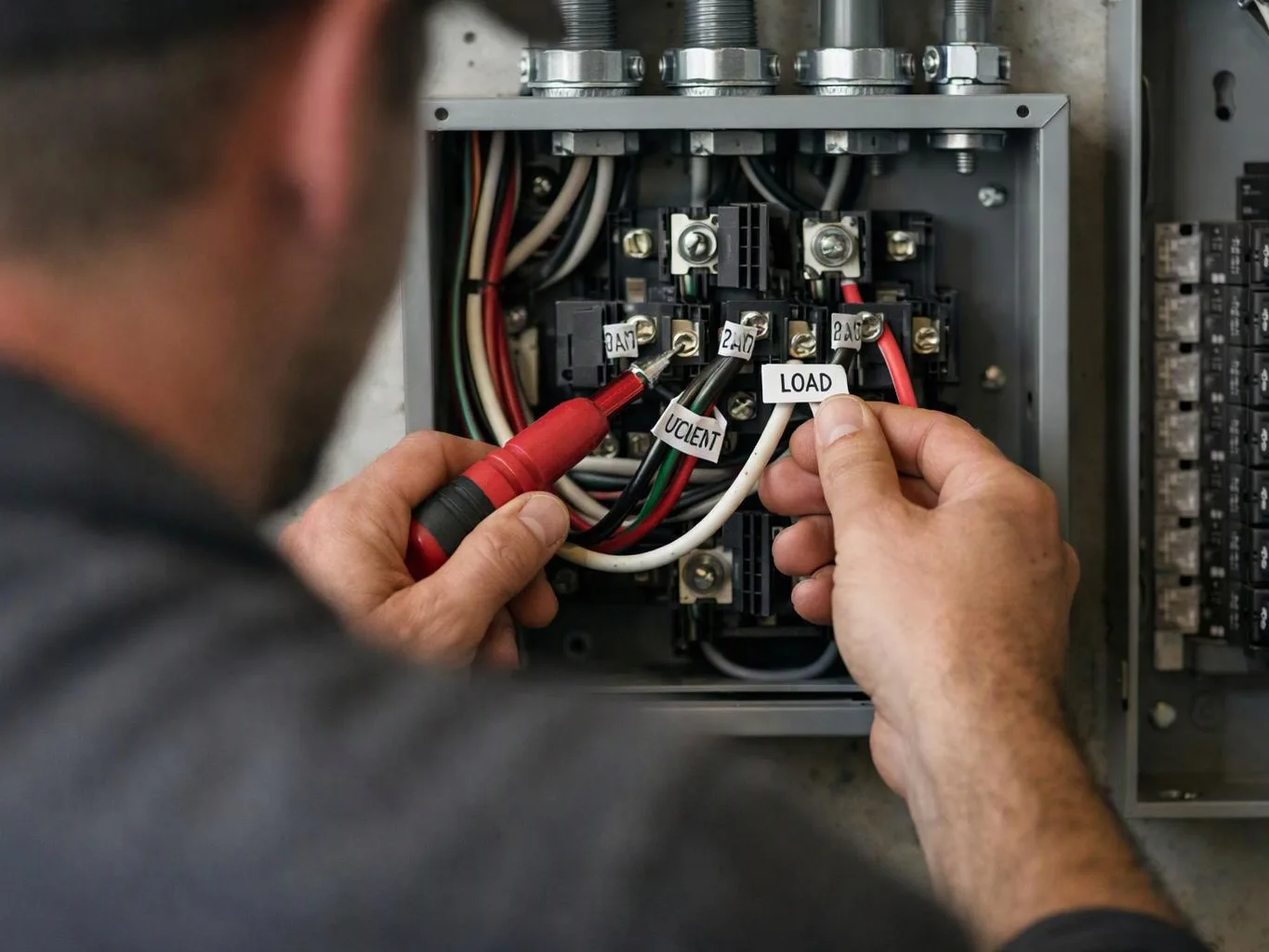
Wet locations need GFCI protection, including kitchen counters, bathroom sinks, outdoor receptacles, and laundry areas. GMB Electric checks the outlet location, circuit path, grounding, and box condition before installation. The correct point may be one receptacle or an upstream device that protects other outlets. We explain the placement before connecting the new device.
How can I tell whether this installation fits my property?
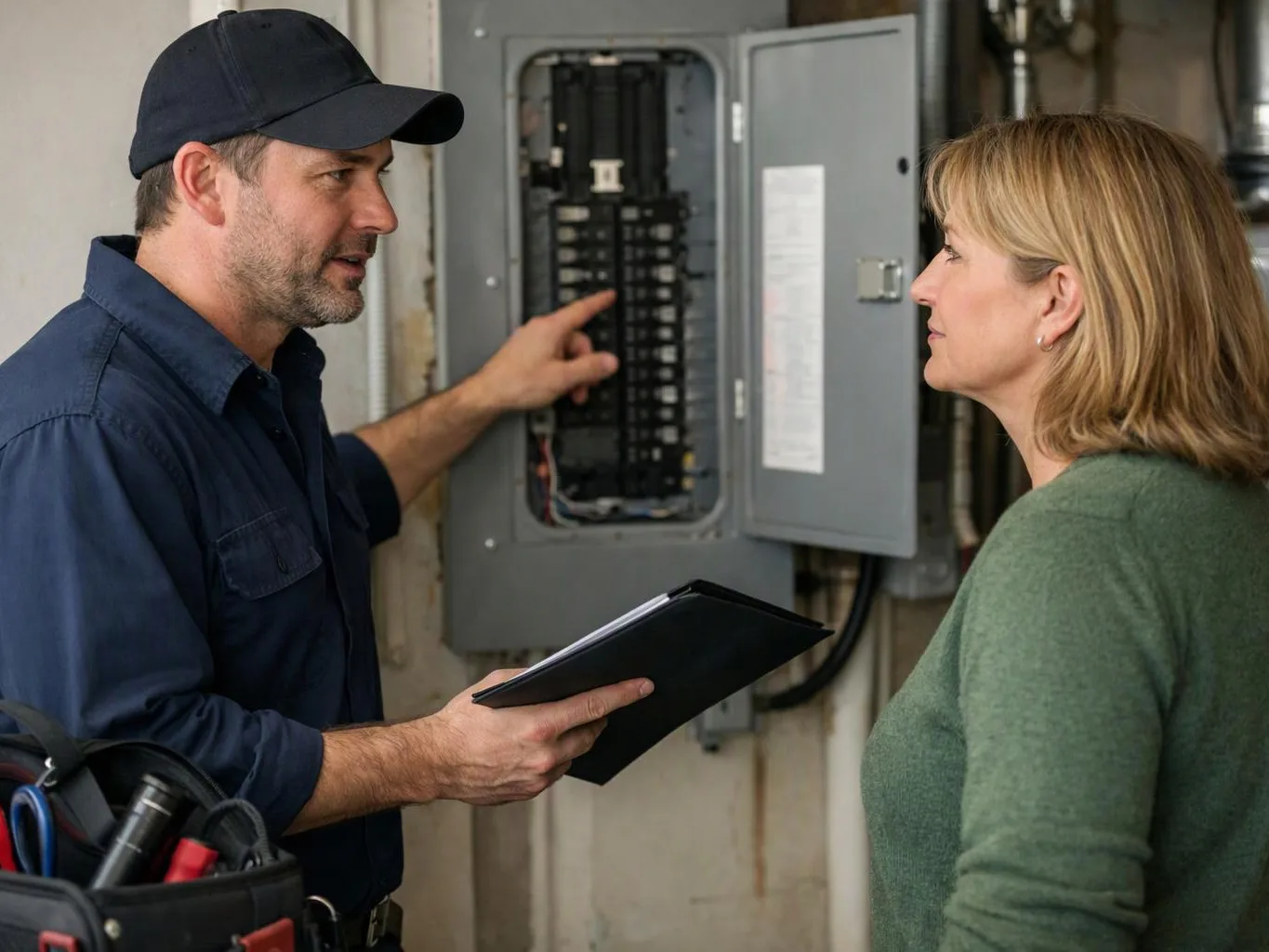
A GFCI installation fits when an outlet sits near water or a damp area and the existing device lacks suitable protection. We inspect the receptacle, wiring, grounding, and circuit access to confirm the scope. A damaged circuit or failing breaker needs broader electrical repair, so we identify that before installing the outlet.
Which part of the property decides the installation scope?
The outlet location decides much of the installation scope. Kitchen counters, bathroom sinks, outdoor receptacles, and laundry areas each present different access and moisture concerns. We also check the box, conductor condition, grounding, and nearby outlets. Those findings determine whether the work stays at one receptacle or includes circuit tracing.
Which material changes how long the installation takes?
Existing wiring material changes the installation work because copper, aluminum, and older conductors connect differently. We inspect the conductors and terminals before selecting the repair method. Damaged insulation, limited box space, or an ungrounded circuit can add work. We explain those conditions during the assessment instead of treating every outlet as identical.
What changes the price of this outlet job?
Circuit access, wiring condition, grounding, box repair, and the number of outlets change the job cost. A direct replacement has a different scope from work that needs circuit tracing or grounding correction. GMB Electric provides free estimates and explains the requested work before installation begins.
Why does a new GFCI outlet need testing?
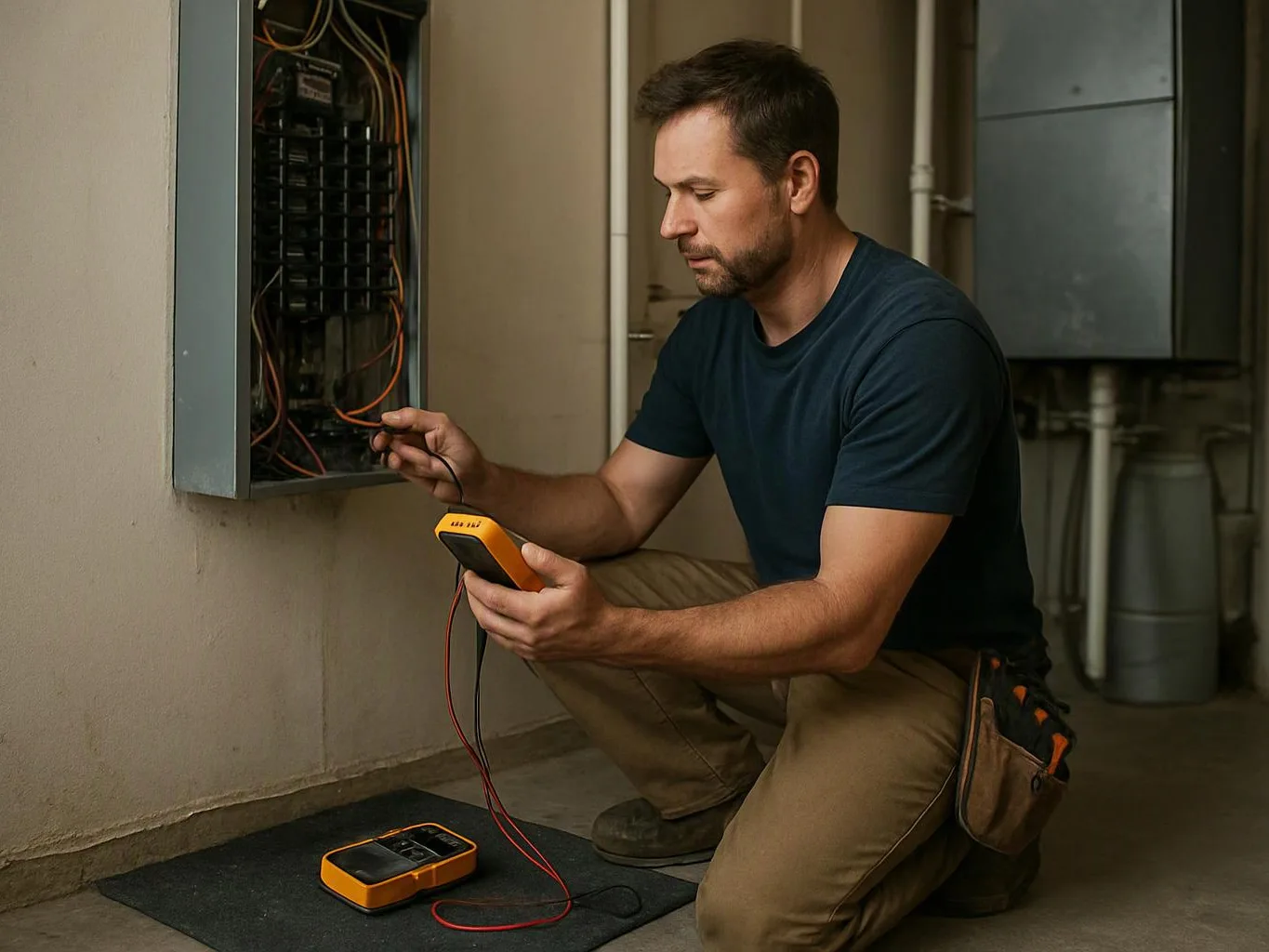
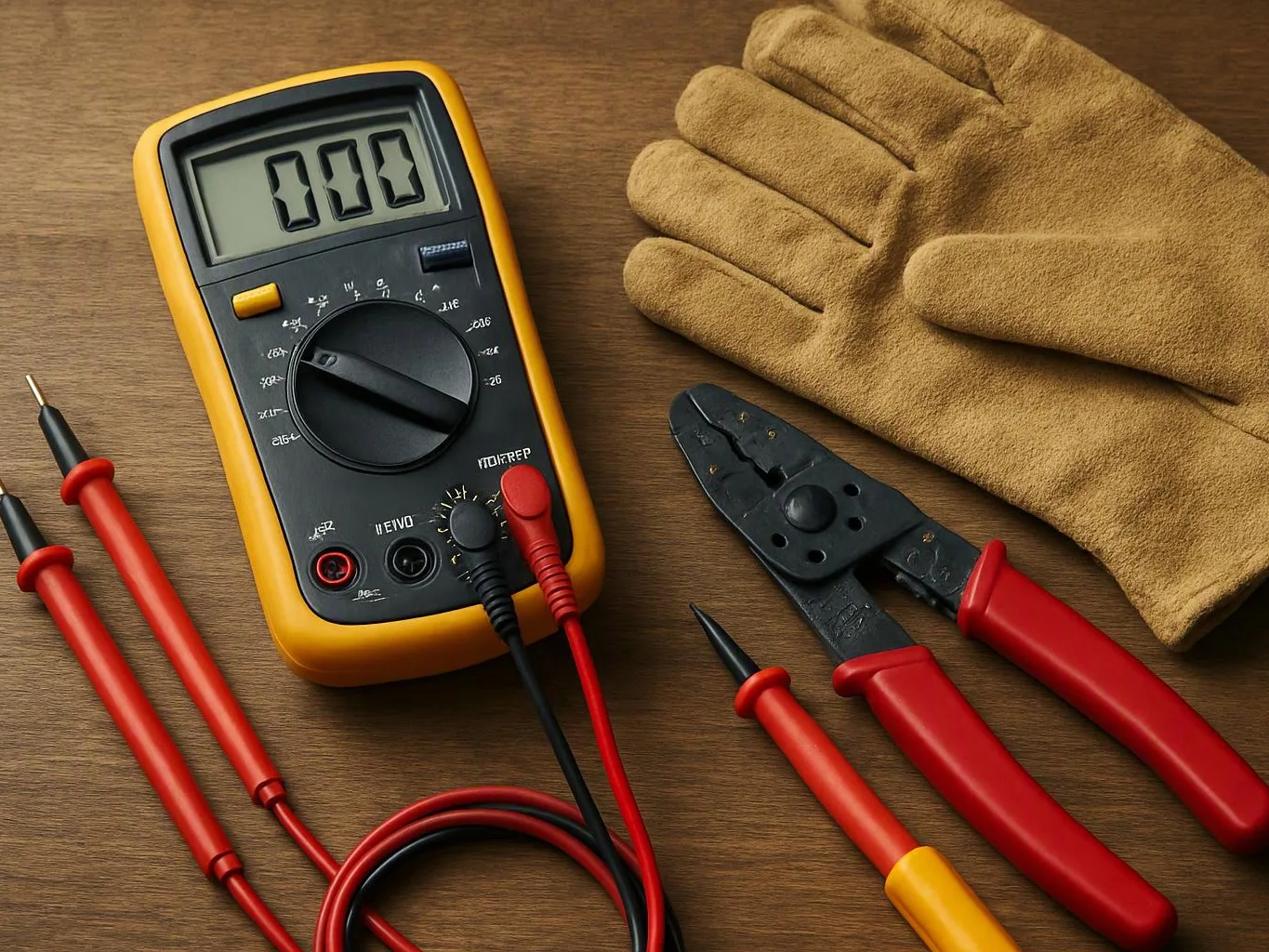
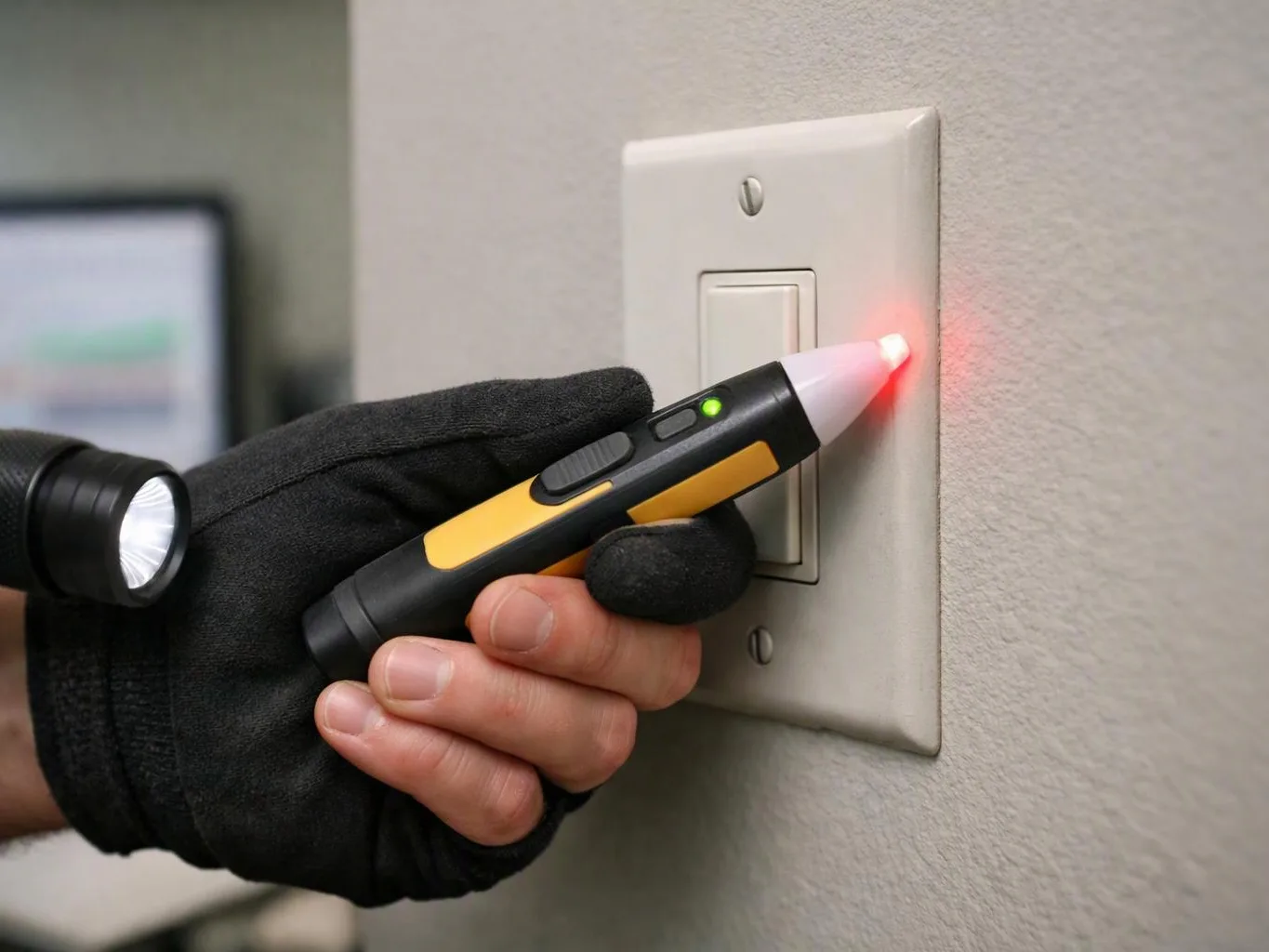
Testing confirms that the new device trips and resets as intended. We use the built-in test control, reset the outlet, and check connected receptacles when the circuit design calls for it. A device that will not reset can point to wiring, load, or downstream problems that need further diagnosis.
When should I stop using the outlet?
Stop using an outlet that sparks, feels warm, smells burnt, or has visible damage. We inspect the receptacle and circuit to find the source of the hazard. Turn off the circuit only if you can do so safely, keep people away from the outlet, and request electrical service for urgent conditions.