Where should GFCI outlets be installed?
Wet locations need GFCI protection, including outlets near kitchen counters, bathroom sinks, laundry areas, and outdoor receptacles. GMB Electric reviews the outlet location and circuit before installation. We also check whether downstream outlets receive protection and whether wiring repairs are needed.
What should be checked before installation is scheduled?
The outlet location, circuit condition, box space, grounding path, and connected devices should be checked first. We also ask about dead outlets, trips, warmth, sparks, and moisture exposure. Those details help us set the correct scope and identify work beyond a simple receptacle replacement.
Who is a good fit for this outlet work, and who needs another service?
Homeowners and business owners with an unprotected outlet near water are good fits for this work. A failing panel, utility outage, damaged service entrance, or circuit-wide fault needs a broader electrical service. We assess the symptom and explain the right scope.
What happens at each stage of outlet installation?
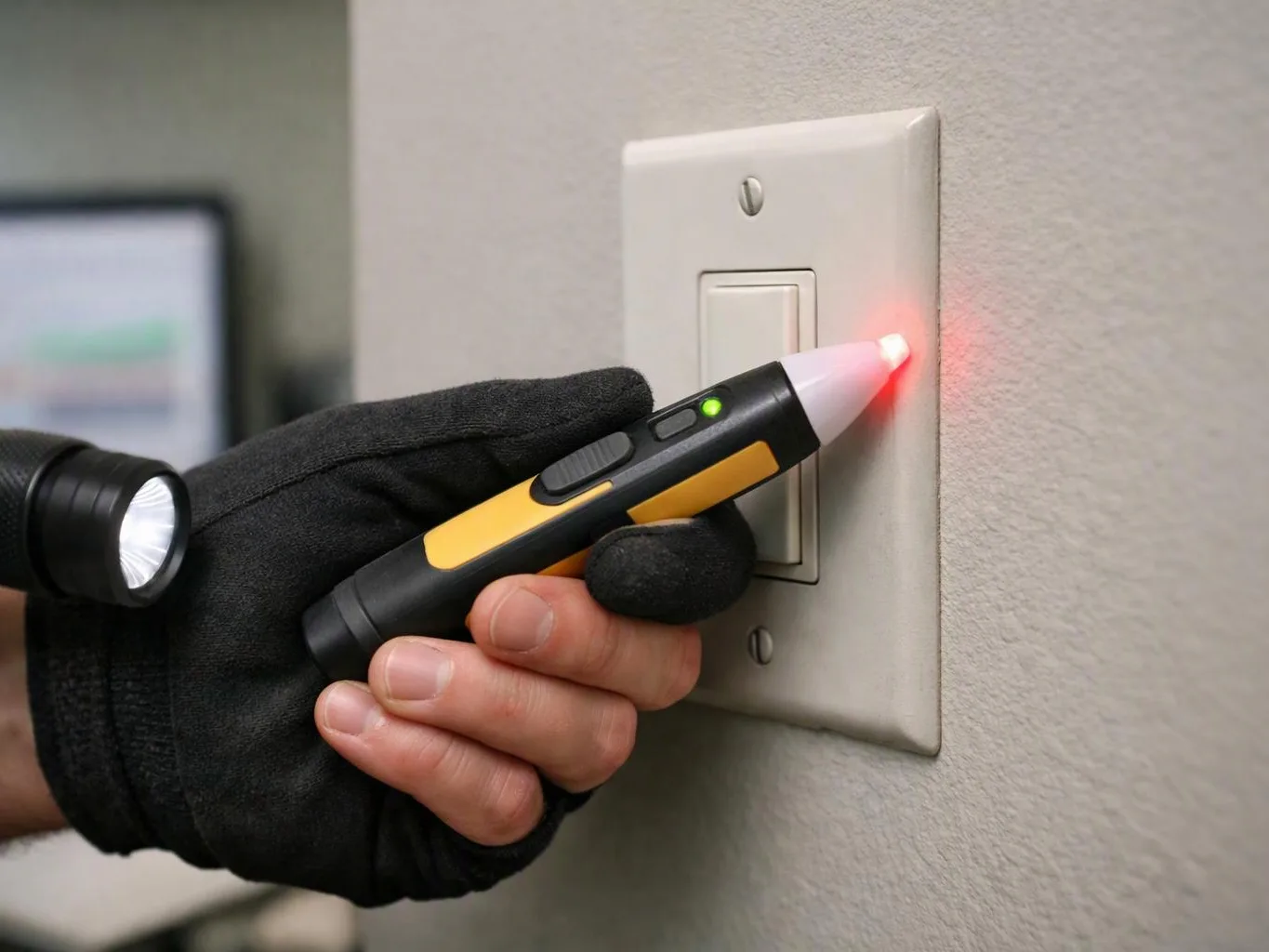
The work includes locating the outlet, checking the circuit, setting the scope, connecting the device, and testing its controls. We inspect line and load connections and review the grounding path. Customers receive an explanation if the circuit needs repair beyond the receptacle.
Which part of this job changes the estimate?
The outlet location and wiring condition have the strongest effect on the estimate. Box access, circuit layout, grounding, device replacement, and related repairs also shape the scope. GMB Electric provides a free estimate after reviewing the work needed.
Why does a new GFCI outlet still trip?
A new GFCI outlet can trip because of moisture, a connected device, damaged wiring, or a fault farther along the circuit. We trace the circuit and test connected outlets to find the cause. Repeated trips call for an electrical assessment, not repeated resets.
How should I handle a warm or sparking receptacle?
A warm or sparking receptacle should remain unused until the circuit is assessed. Turn off the circuit only if you can do so safely, and keep people away from the outlet. We inspect for loose connections, heat damage, and wiring faults before discussing replacement.