Questions about generator faults and repairs
Which material changes how long generator repair takes?
The failed part changes the repair work more than the generator's outer housing. Fuel lines, control boards, sensors, breakers, and wiring each require different checks and access. Parts availability also affects the work plan. We identify the failed part first, then explain whether the repair needs related electrical testing.
How does a generator repair visit move from the first call to the last step?
A generator repair visit moves from fault review to inspection, testing, repair scope, and output verification. We begin with the shutdown details and warning code, then check the load, fuel, oil, cooling system, and wiring. After approved work, we test the generator and explain any follow-up needed for connected circuits.
When does generator repair fit a property?
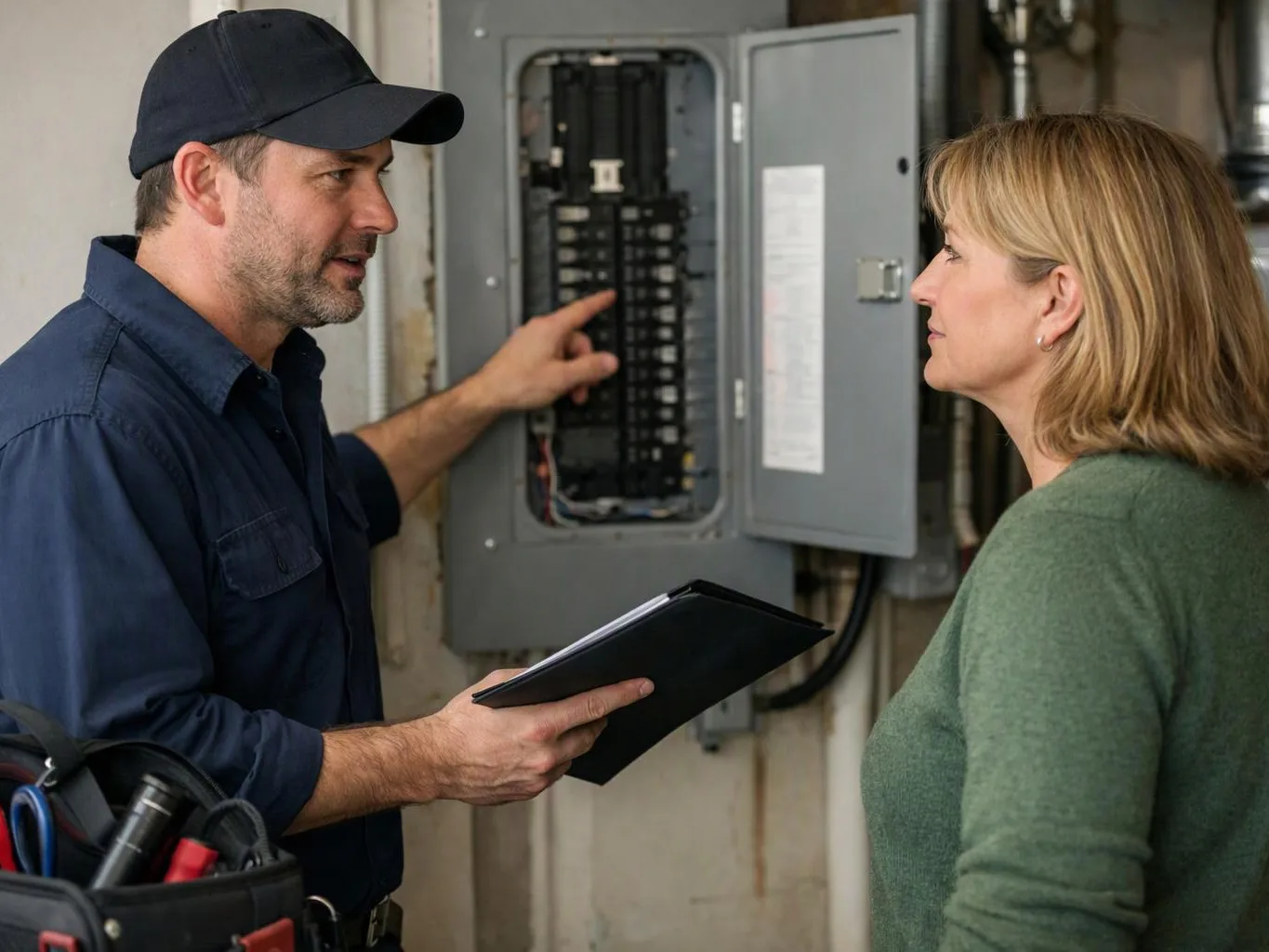
Generator repair fits a property when its backup unit has stopped, trips, runs unevenly, or shows a fault warning. Homes, offices, and other businesses can need this service. We assess the generator and connected circuits together, because a generator fault and an electrical load problem can appear at the same time.
Why does a generator overheat during use?
A blocked cooling path, low oil, heavy load, or cooling component fault can cause a generator to overheat. We inspect airflow, oil, temperature controls, and the circuits drawing power. Stop using the unit when it becomes unusually hot or shows a warning, then arrange an inspection before another operating cycle.
What should I do before requesting generator repair in Greenfield?
Record the warning light, fault code, active circuits, and recent change in generator behavior. Keep people away from hot surfaces, moving parts, and any burning smell. Do not open energized panels or repeatedly restart a unit that shuts down. Share the generator type and the affected property use when requesting an assessment.
How does an overload condition change the repair scope?
An overload condition shifts the inspection toward connected demand, breakers, transfer equipment, and generator capacity. We identify which circuits were active and check whether their combined load exceeds available output. The repair may involve the generator, connected wiring, or load changes. We explain that distinction before approved work begins.