How often should a generator receive an inspection?
Fuel inspection should be part of scheduled generator maintenance, especially before the generator is expected to operate during an outage. GMB Electric checks fuel condition, engine operation, electrical connections, controls, and runtime response. The right schedule depends on the generator's use, condition, fuel system, and manufacturer guidance. We can explain the maintenance need after assessing the equipment.
Which part of the property decides the maintenance scope?
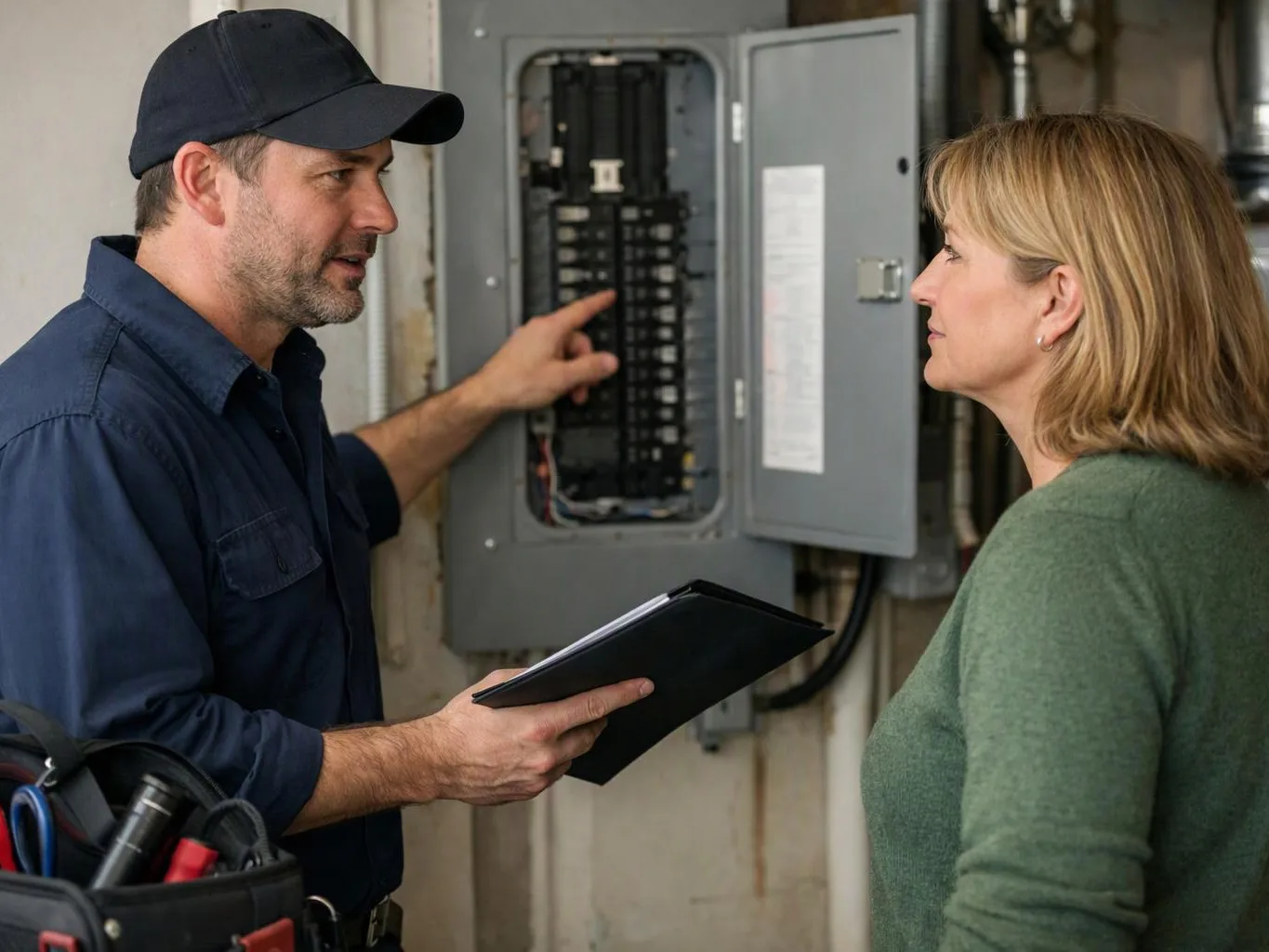
The generator's location and access to its fuel, engine, transfer equipment, and electrical connections decide the maintenance scope. A confined equipment area can limit what we inspect first, while a remote generator may require more attention to the fuel path and wiring route. We review access before recommending maintenance or repair work.
What material changes how long the inspection takes?
Fuel condition and the state of accessible electrical connections can change the inspection work. Contaminated fuel, damaged wiring, corrosion, or hard-to-reach parts can require more testing before we explain the fault. We assess those materials and conditions on site, then provide the next step without inventing a completion time.
When does a generator problem need urgent electrical help?
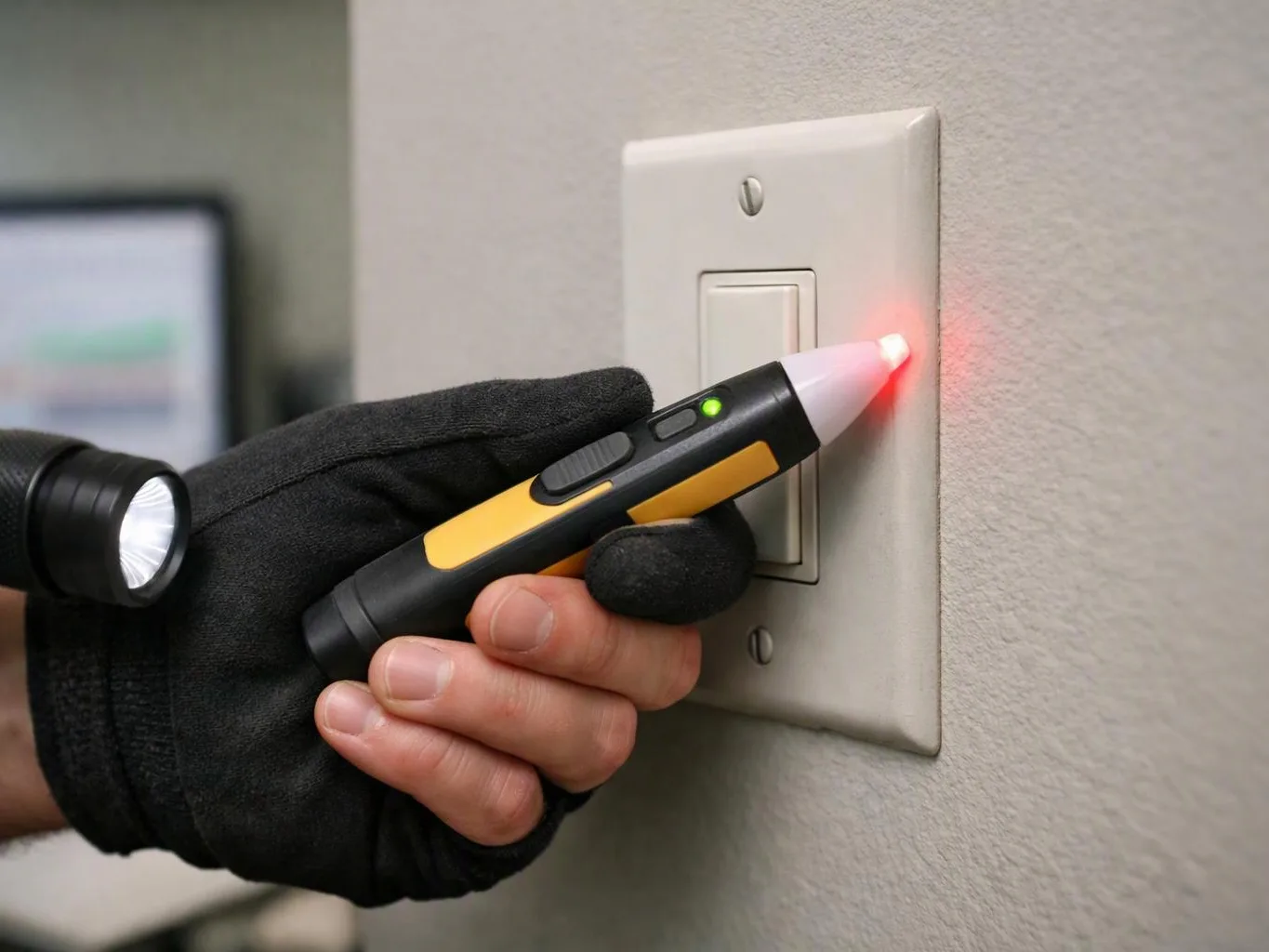
A burning smell, sparking, smoke, or a buzzing electrical connection needs urgent electrical attention. Shut down the generator if you can do so safely and keep people away from the equipment. GMB Electric handles emergency electrical calls, then checks whether the issue involves wiring, controls, the engine, or the fuel system.
Why can a generator run but fail to power the property?
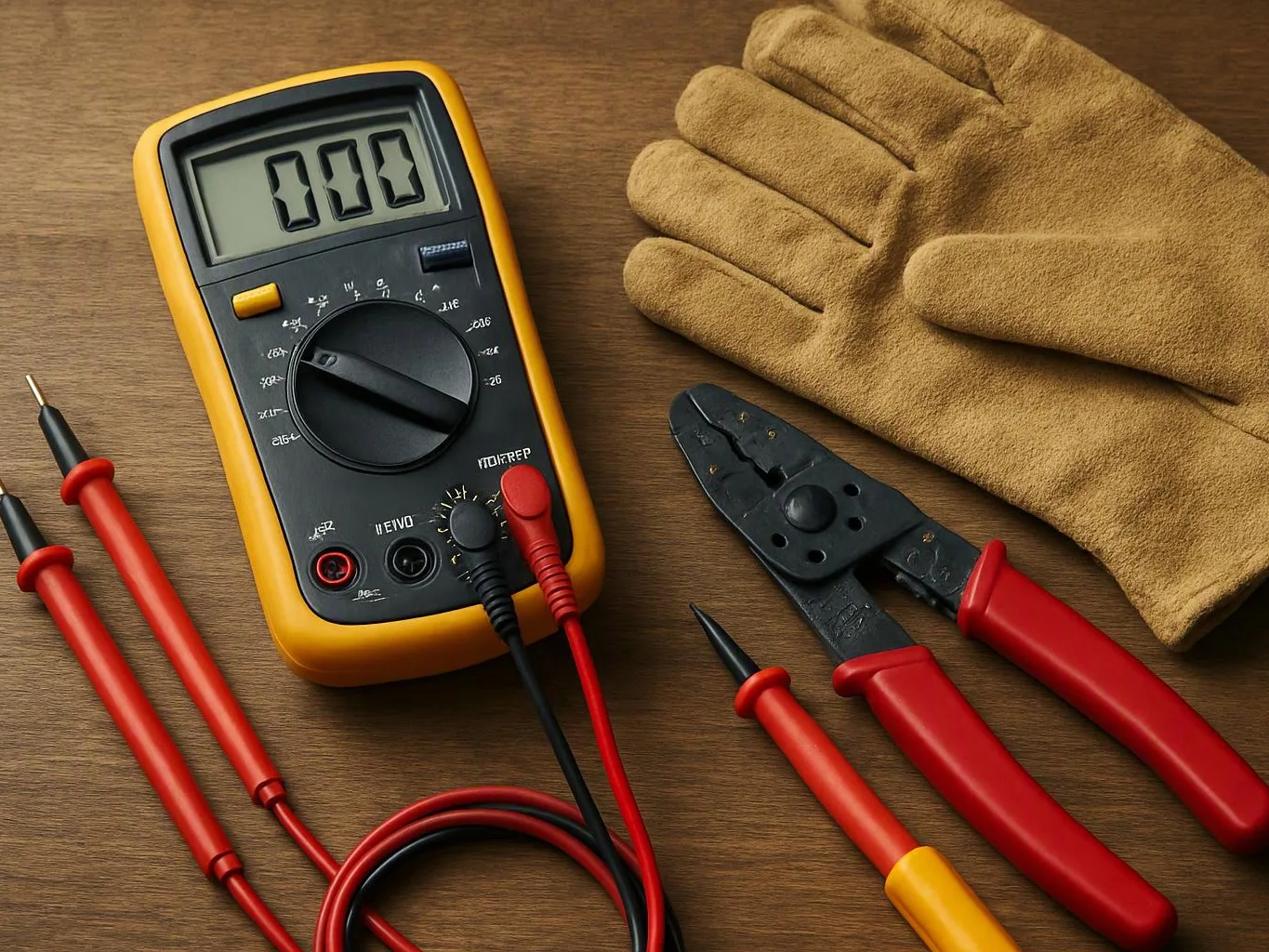
A generator can run without delivering power when its output, transfer equipment, wiring, or controls have a fault. Electrical testing helps identify where the power path stops. We check the generator output and connections, then explain whether the next step involves maintenance, repair, or a separate electrical service.
Which warning signs should owners report before a visit?
Startup failure, repeated shutdowns, unusual noise, fuel odor, warning lights, and dead circuits are useful warning signs to report. The details help us focus the inspection on the fuel system, engine, controls, or electrical path. Do not open energized equipment or keep restarting a generator that shows smoke, sparks, or a burning smell.