Skip to content

Emergency EV Charger Repair in Plainfield, Indiana

Cable damage can prevent safe charging in Plainfield. We repair the charger, cable path, and related electrical parts when urgent service is needed.

Licensed & InsuredFree EstimatesSame-Day ServiceServing 41 Communities

Quick Summary: emergency EV charger repair in Plainfield, Indiana

Emergency EV charger repair in Plainfield is provided by GMB Electric for damaged cables, charging faults, and related circuit issues. We serve residential and commercial properties across Indianapolis and surrounding communities, with emergency calls answered 24 hours.

  • What we do: GMB Electric provides Emergency EV charger repair for Plainfield, Indiana properties with cable, connector, circuit, and charging faults.
  • What is included: cable checks, charger diagnosis, circuit testing, connector inspection, and repair planning.
  • What you get: The charger receives a safe electrical supply and the repair scope is clearly decided.

Why does my EV charger charge slowly after cable damage?

Cable damage can restrict current and make an EV charger charge slowly. Low voltage, thermal limits, and power sharing can create similar symptoms, so we test the cable and circuit before choosing a repair.
Emergency EV charger repair for slow charging and cable faults

Emergency EV charger repair is for a charger that charges slowly, stops during a session, shows a fault, or has visible damage. We check the charging cable, connector, breaker, circuit, and supply before we recommend repair or replacement.

Slow charging does not always mean the charger itself has failed. Low voltage can limit output, thermal limits can reduce charging, and power sharing can divide available capacity between loads. Our team tests these conditions so you can decide whether the issue needs charger repair, circuit work, or a separate installation.

Plainfield property owners can request help for residential or commercial charging equipment. The job is different from a full EV charging installation because the focus is on finding the fault and restoring safe operation.

  • Check the cable and connector for cuts, heat marks, loose parts, or other visible damage.
  • Test the charger circuit and supply voltage under the charging load.
  • Check whether power sharing or thermal limits are reducing charging output.
  • Set a repair or replacement scope after the fault is identified.
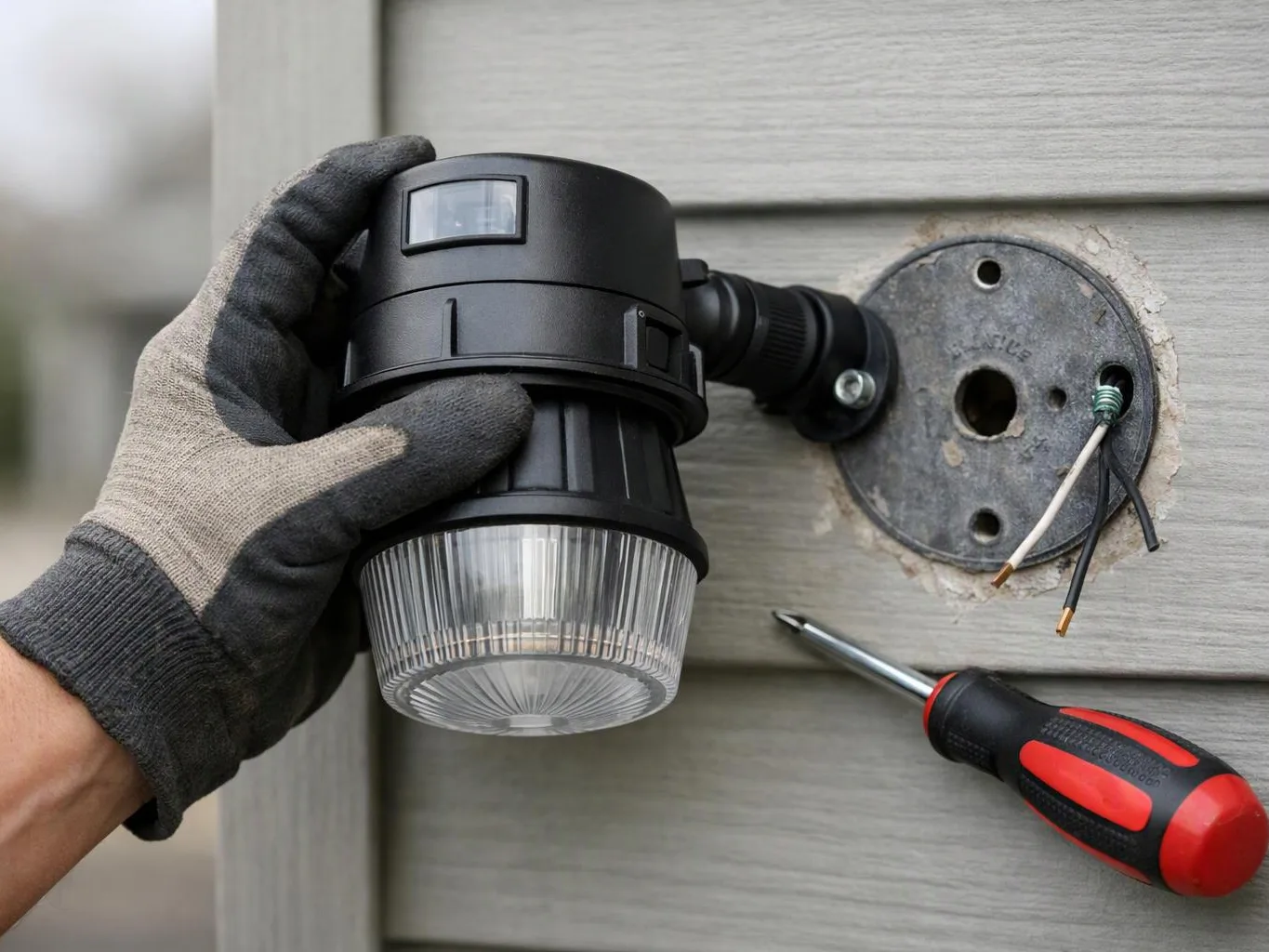
A gloved hand holds a black outdoor light fixture beside exposed wires and a screwdriver on gray siding

Service Overview

Emergency EV charger repair is a service that diagnoses and fixes urgent faults affecting an EV charger, cable, connector, or supply circuit.

  • Charger repair addresses the equipment and its electrical feed, while a routine EV charging installation creates a new charging circuit.
  • GMB Electric provides this service for homes and businesses in Plainfield.

What emergency charger repair includes

GMB Electric provides comprehensive Emergency EV charger repair in Plainfield. Here's what you get:

  • We inspect the EV charging cable, connector, and charger housing for visible damage.
  • We test the circuit, breaker, grounding, and available voltage.
  • We trace symptoms that point to low voltage, thermal limits, or power sharing.
  • We isolate unsafe parts before repair work begins.
  • We explain whether the job calls for repair, circuit work, or a different service.
  • We provide a free estimate when the repair scope is clear.

What slow-charging repair changes for you

Testing separates a damaged cable from a supply problem.

A clear repair scope helps you avoid replacing the wrong part.

Circuit checks address electrical causes that a charger reset cannot fix.

The work supports safe, reliable charging for a home or business vehicle.

Plainfield property owners get a service path based on the actual fault, not the warning symptom alone.

How we approach emergency charger faults

Diagnosis before repair

A charger fault needs testing before parts are changed. We inspect the cable, connector, breaker, voltage, and charging load, then explain the next step.

Licensed and insured electrical work

Our licensed and insured electricians handle the electrical parts of the repair, including circuit checks, grounding checks, and safe isolation.

When this is the wrong service

A utility outage or a vehicle-side charging fault may not be a charger repair. We identify that limit during diagnosis and explain which part of the system needs attention.

Process

How we repair a slow or damaged EV charger

1

Inspect the cable and connector

We look for cuts, crushed sections, heat marks, loose contacts, and damage around the plug or charger housing.

2

Test the charger circuit

We check the breaker, grounding, wiring, and voltage at the charger so the electrical supply is part of the diagnosis.

3

Check charging limits

We assess low voltage, thermal limits, and power sharing when the charger slows under load.

4

Name the repair before it starts

We explain whether the work involves a cable, connector, charger part, circuit repair, or a different electrical service. Free estimates are available.

5

Test the repaired system

After repair, we test the charger and electrical feed to verify that the equipment operates as expected.

Charger fault or related electrical issue

These conditions can produce similar charging symptoms, but each needs a different check.

ConditionWhat we checkLikely service focus
Cable or connector damageCuts, heat marks, worn contacts, and loose fitCable or charger repair
Low voltageVoltage at the charger and along the circuitCircuit testing or electrical repair
Power sharingPanel load, charger settings, and other active loadsLoad review or charging control adjustment

The GMB Electric Standard

  • Careful Assessment
  • Clear Explanations
  • Safe Practices
  • Orderly Work Areas

Questions about slow charging and charger repair

What causes an EV charger to charge slowly after cable damage?

Cable damage can restrict charging current and reduce the charger’s output. We inspect the cable, connector, and charger housing, then test the circuit under load. Low voltage, thermal limits, or power sharing can create the same symptom. The test results show whether the repair belongs to the cable, charger, or electrical circuit.

Who is a good fit for emergency EV charger repair?

GMB Electric repairs urgent faults affecting home and business EV charging equipment. The service fits damaged cables, loose connectors, charging faults, and supply problems. A vehicle battery fault or utility outage needs a different source of help. We identify that boundary during the electrical assessment.

What does the crew look at first during charger repair?

The first check covers visible cable damage, connector condition, heat marks, and signs of arcing. We then inspect the breaker and measure voltage at the charger. These checks show whether the symptom starts at the equipment or along the electrical feed. We keep damaged equipment out of service during the assessment.

How does the repair process handle low voltage?

Low voltage is checked at the charger while the system carries its charging load. We trace the circuit, inspect connections, and compare supply conditions at key points. A supply issue can require circuit work, while a charger fault needs equipment repair. The test result determines which scope applies.

Which part can cause charging to slow during shared power use?

Power sharing controls can reduce charger output when another load uses the available circuit capacity. We check the panel, charger settings, circuit rating, and load behavior. Thermal limits can also lower output when equipment becomes too warm. The repair plan follows the condition we find.

When should I stop using a damaged charging cable?

Stop using the charger when the cable is cut, hot, sparking, or visibly crushed. Turn off the charger if you can do so safely without touching damaged parts. Do not open the charger housing or handle exposed conductors. Request an electrical assessment so we can isolate the unsafe section.

Why might a charger repair become a circuit repair?

A circuit repair becomes relevant when testing finds low voltage, loose wiring, grounding trouble, or a breaker problem. We inspect the electrical feed instead of treating the charger symptom alone. The charger may need no replacement when the supply creates the fault. We explain the added electrical scope before proceeding.
Contact

Request an Emergency EV Charger Repair Estimate in Plainfield

Ask GMB Electric about your charger fault, and urgent requests get priority scheduling.

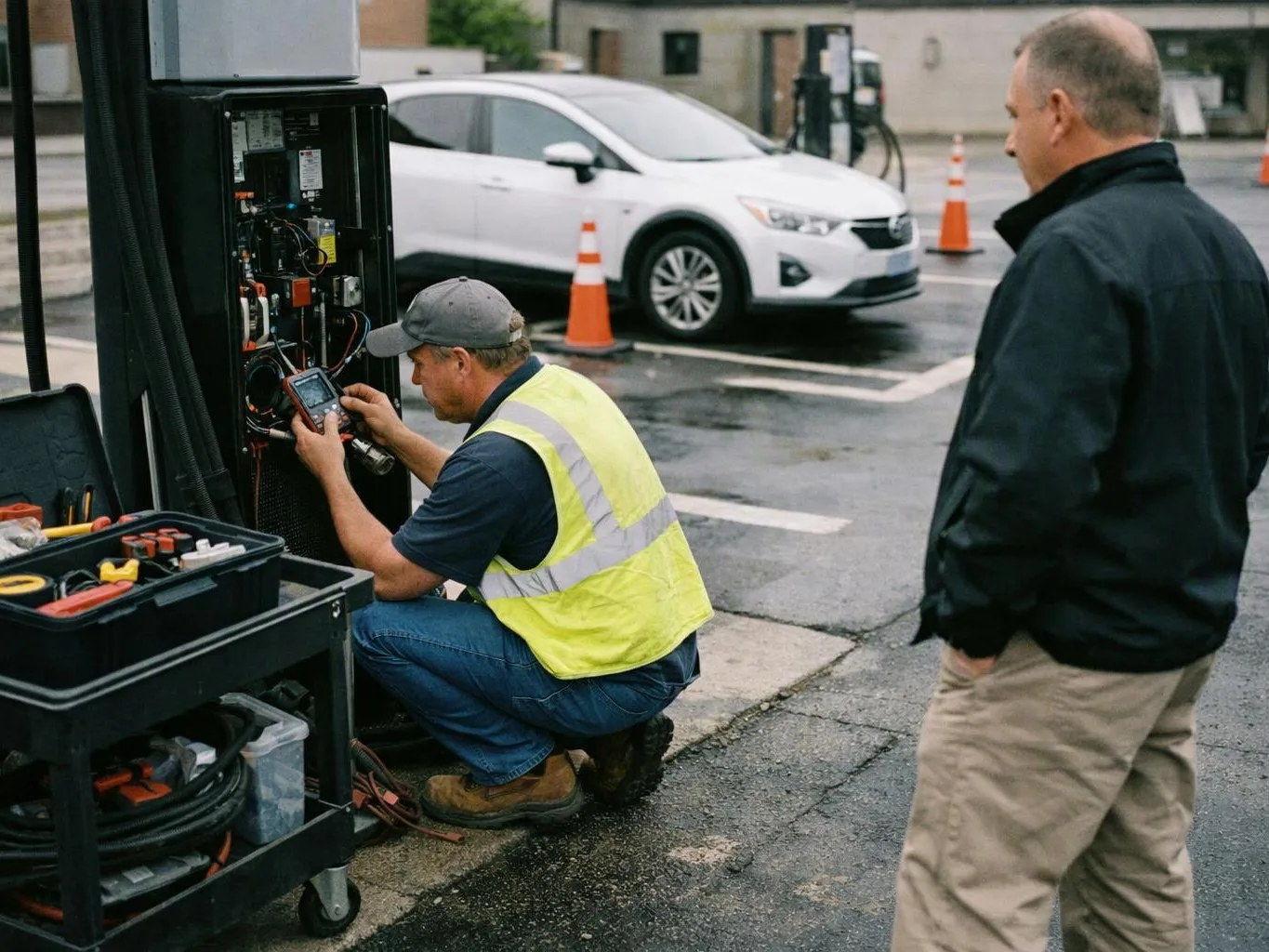
A worker in a reflective vest kneels beside an open charging station, testing wires while a man watches nearby

ZIP Codes We Serve in Plainfield, Indiana

46168
(317) 608-1220