Why does cable damage cause an EV charger to charge slowly?
Cable damage can restrict current flow and slow EV charging. GMB Electric checks the cable jacket, plug, terminals, and charger connection first. We also test circuit voltage because a supply fault can create the same symptom. Stop using a cable with heat damage, exposed conductors, or burn marks until the circuit is assessed.
Who is a good fit for emergency EV charger repair?
Homeowners, businesses, and property managers with a charger fault are good fits for emergency EV charger repair. We handle slow charging, damaged connections, breaker issues, and related circuit faults. A new charger location or added charging circuit needs installation work, so we explain that separate scope when the existing system cannot support the requested change.
What does the crew look at first during a charger repair?
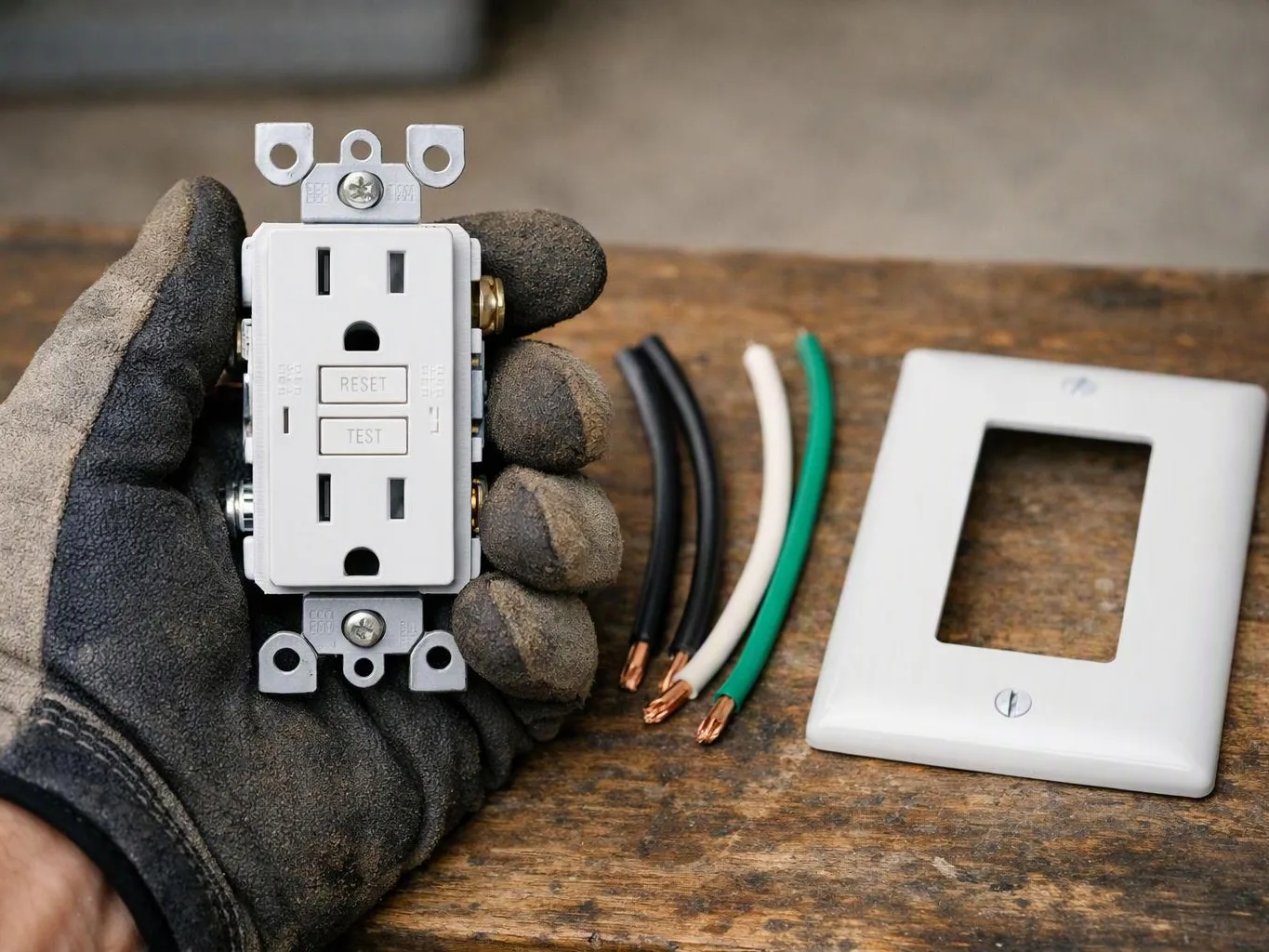
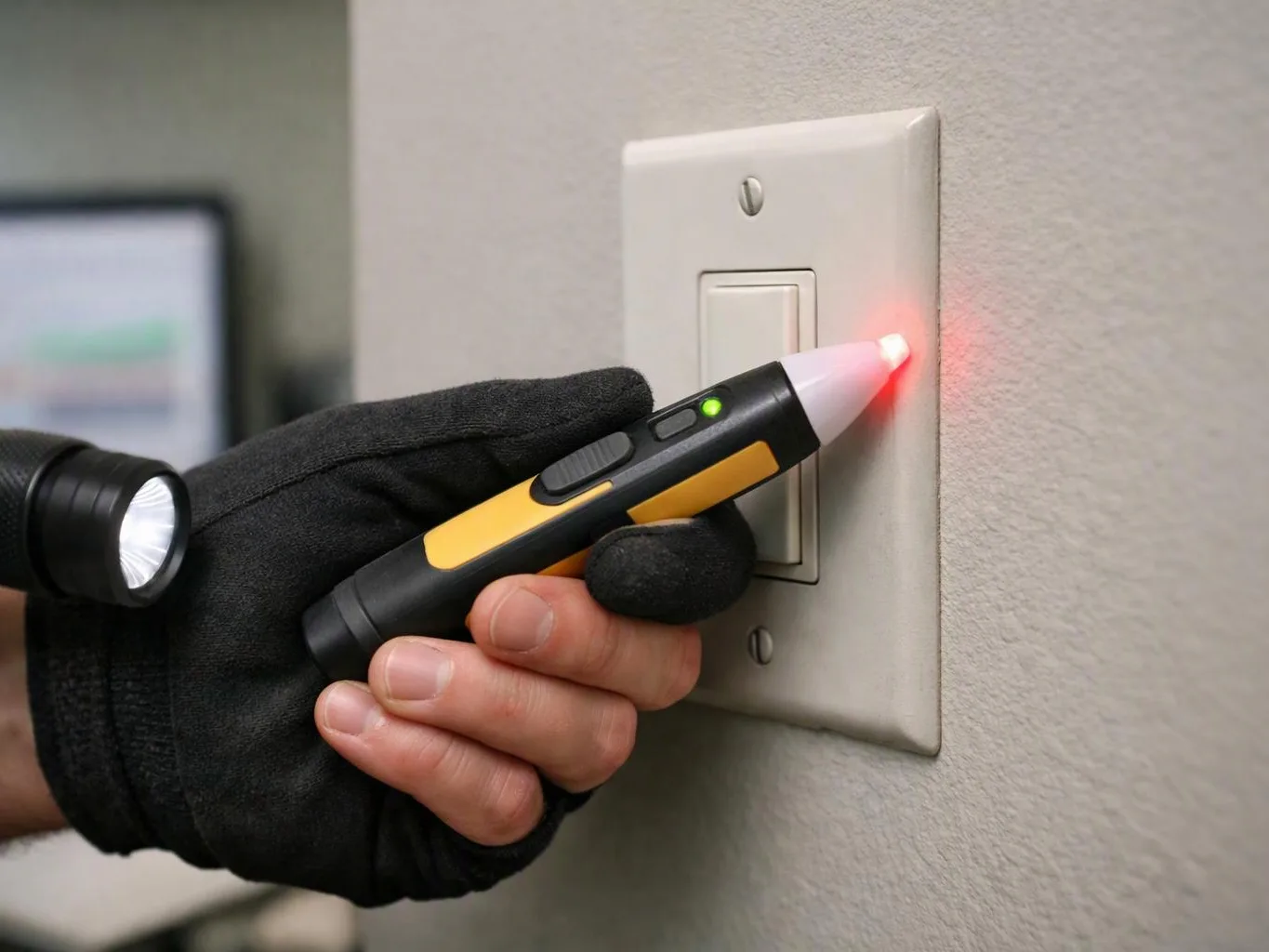
The visible cable, plug, terminals, and charger housing receive the first inspection. Our team then isolates the circuit and checks the breaker and wiring. Heat marks, loose terminals, and damaged insulation can guide the diagnosis. We test before recommending a part change, because low voltage can mimic equipment failure.
How is slow charging linked to low voltage?
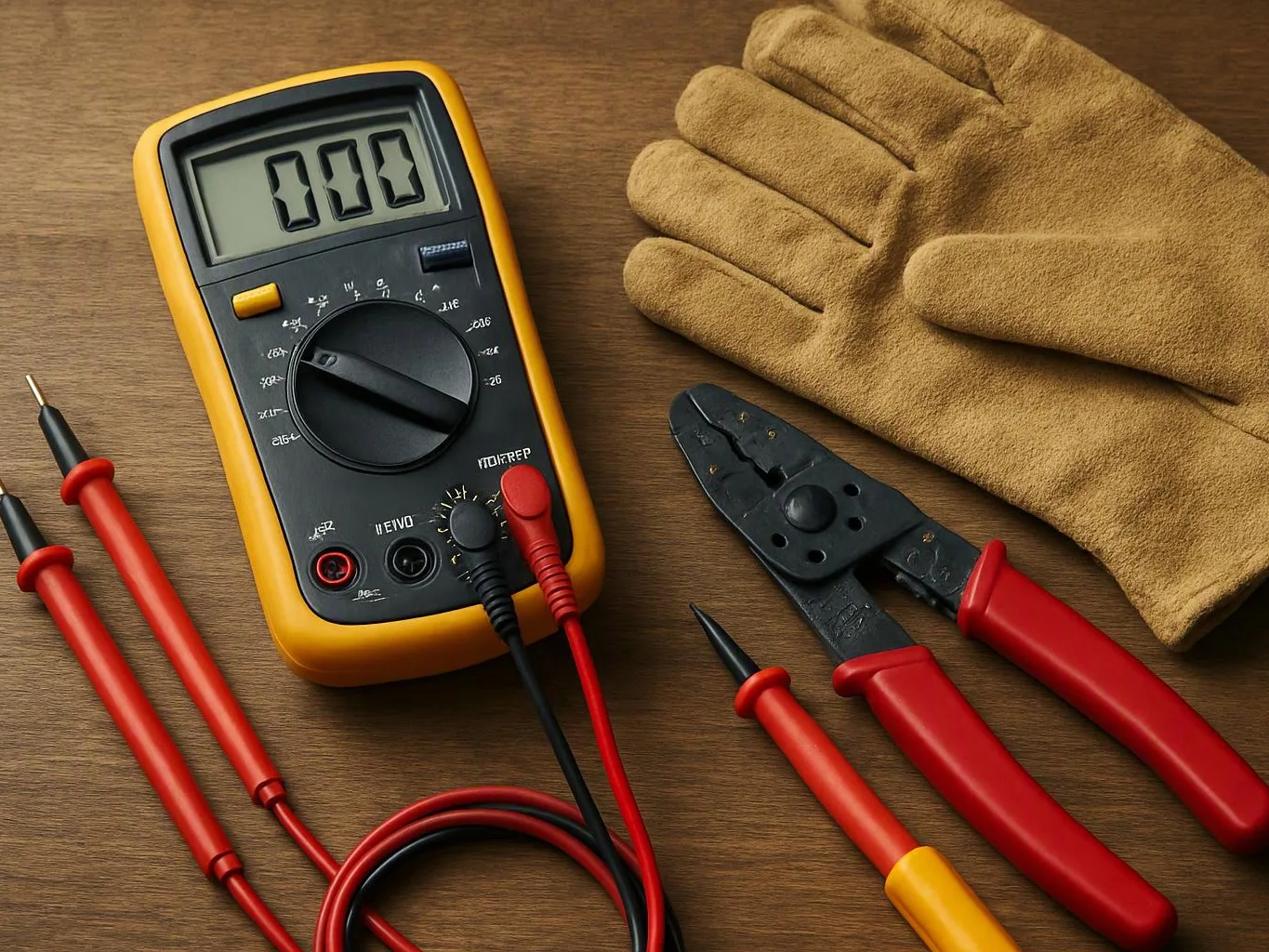
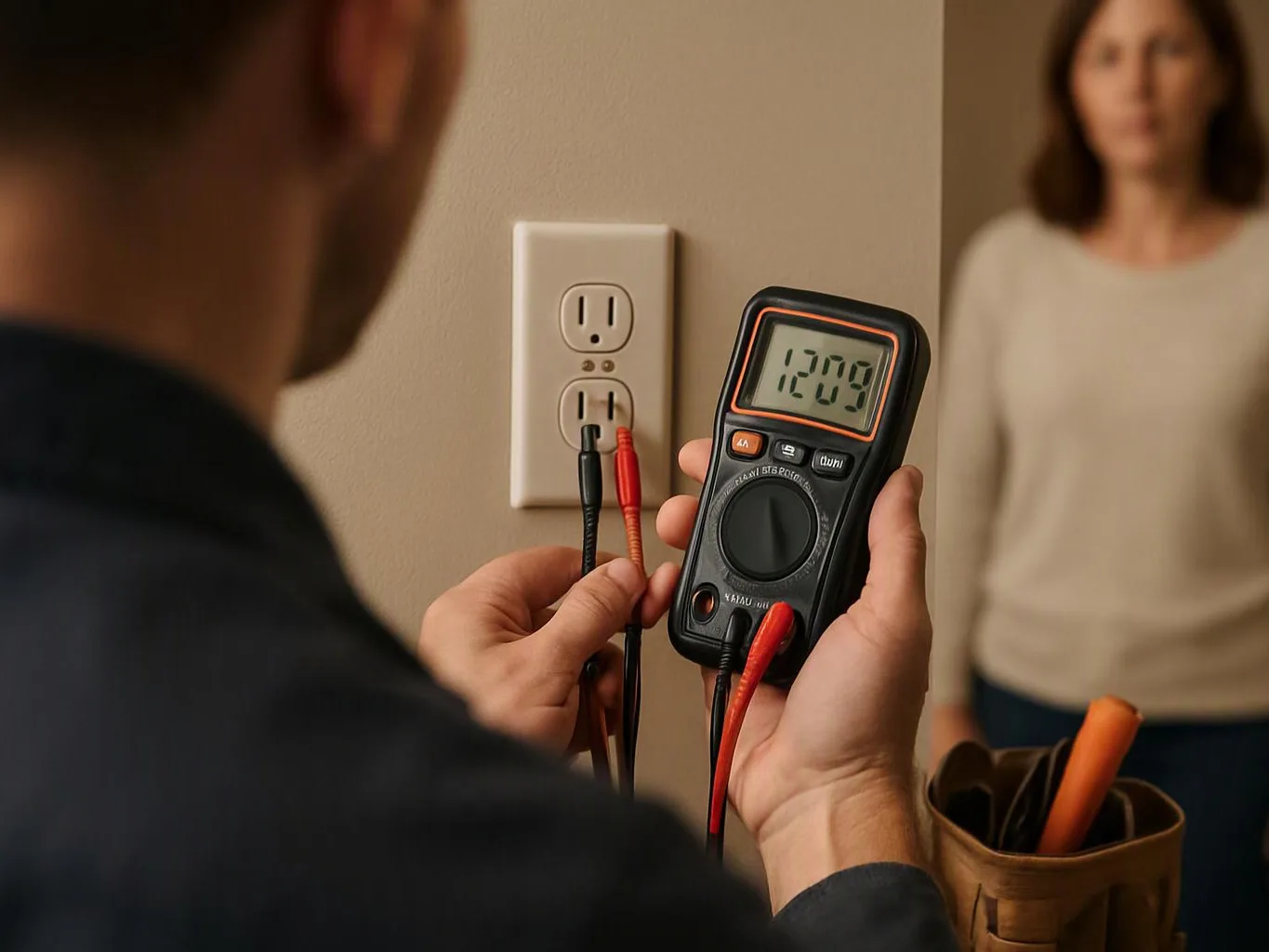
Low voltage can reduce charger output and slow the charging rate. We test voltage at the charger and inspect the circuit connections that supply it. Power sharing can also limit available capacity when other equipment runs at the same time. The test results determine whether the repair belongs to the charger or the property wiring.
When does a charger problem need a panel upgrade?
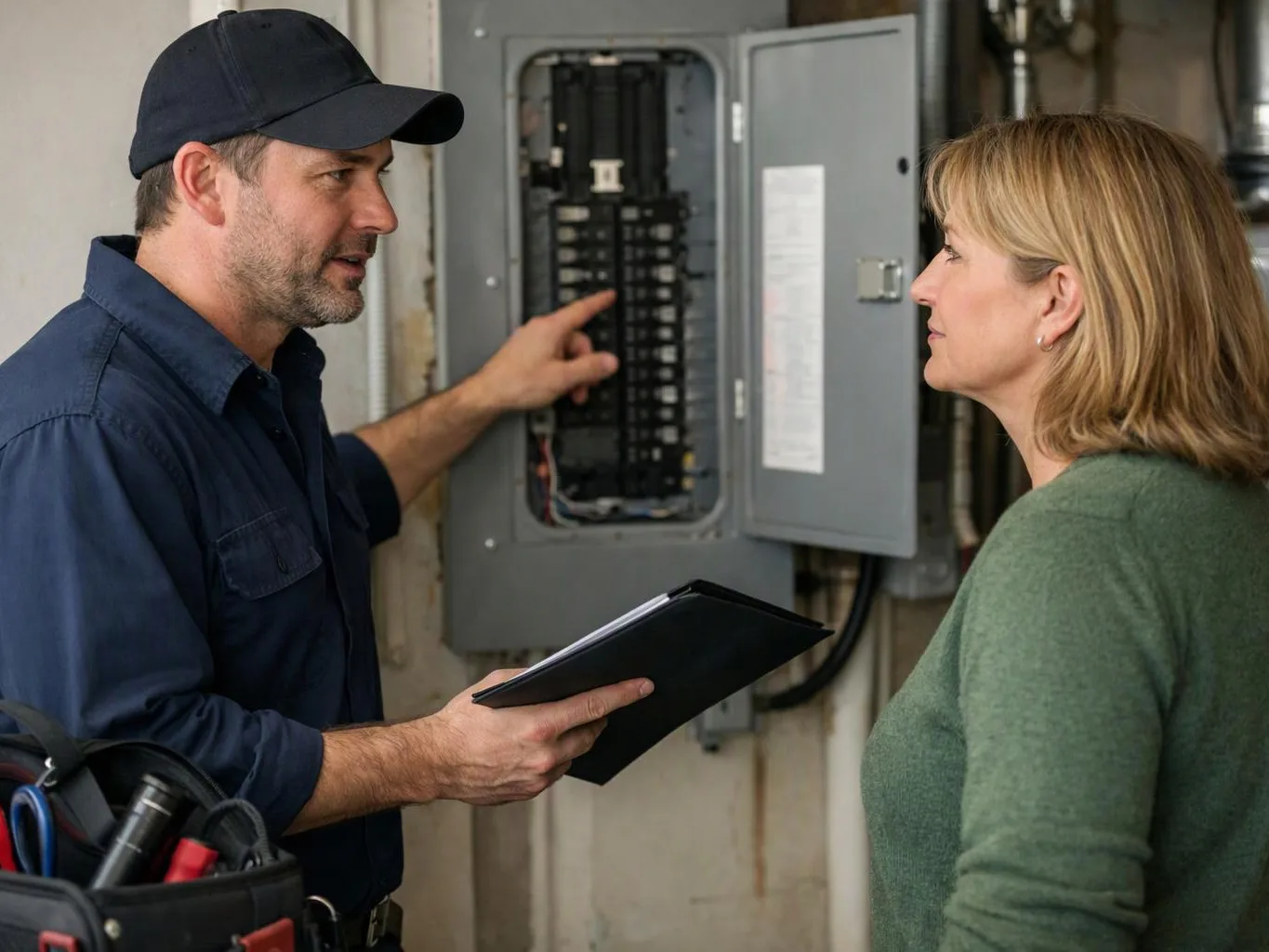
A panel upgrade may be needed when the existing electrical service cannot support the charger's required load. We review the circuit, breaker, available capacity, and other connected loads before recommending that work. A damaged cable alone does not establish a need for a panel upgrade, so we keep the repair scope tied to test results.
Which information should I provide before requesting charger repair?
The charger brand, visible fault message, cable condition, breaker behavior, and recent changes help us understand the problem. Photos of the plug, cable, charger, and electrical panel can also support the first assessment. Do not handle damaged wiring or reset a breaker that trips again.
What happens when power sharing reduces the charging rate?
Power sharing reduces the current available to one charger when the electrical system divides capacity among loads. We check charger settings, circuit voltage, breaker capacity, and connected equipment. The solution may involve correcting a setting or planning separate electrical work, depending on the test results.