Why do flickering lights point to an urgent panel problem?
Flickering lights can indicate a failing breaker, loose panel connection, overloaded circuit, or damaged service equipment. We inspect the panel and trace the affected circuit before recommending replacement.
A burning odor, buzzing panel, scorch marks, or repeated trips raises the safety concern. Customers should avoid repeated resets and keep away from visible damage until the fault is checked.
What does the crew look at first during an emergency panel upgrade?
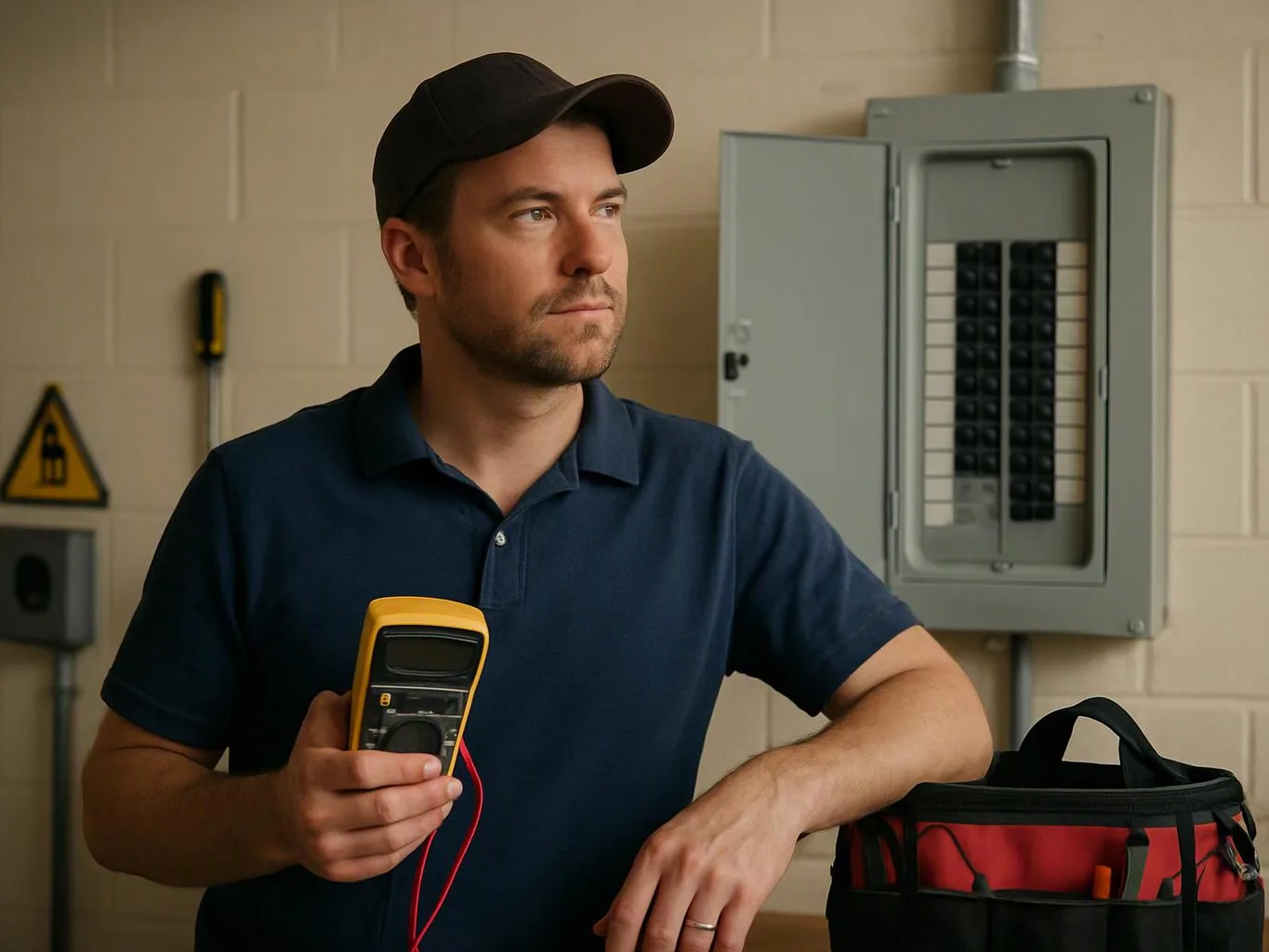
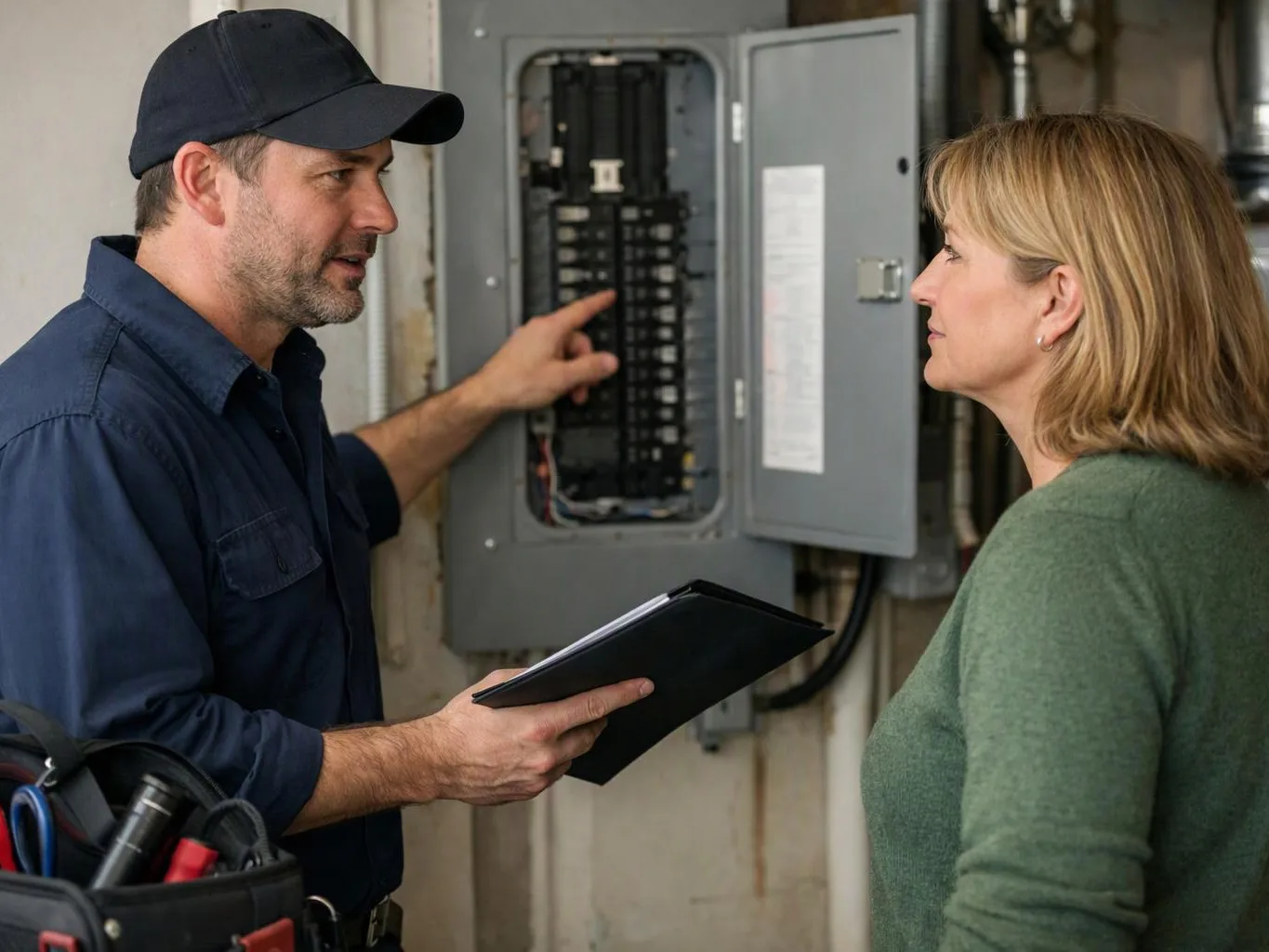
The panel cover, breakers, service connections, grounding, and visible wiring receive the first inspection. We look for heat marks, corrosion, loose parts, and damaged conductors.
Customers should describe when the symptom began and which circuits are affected. That information helps guide circuit tracing without asking the customer to open the panel.
How does circuit tracing shape the replacement decision?
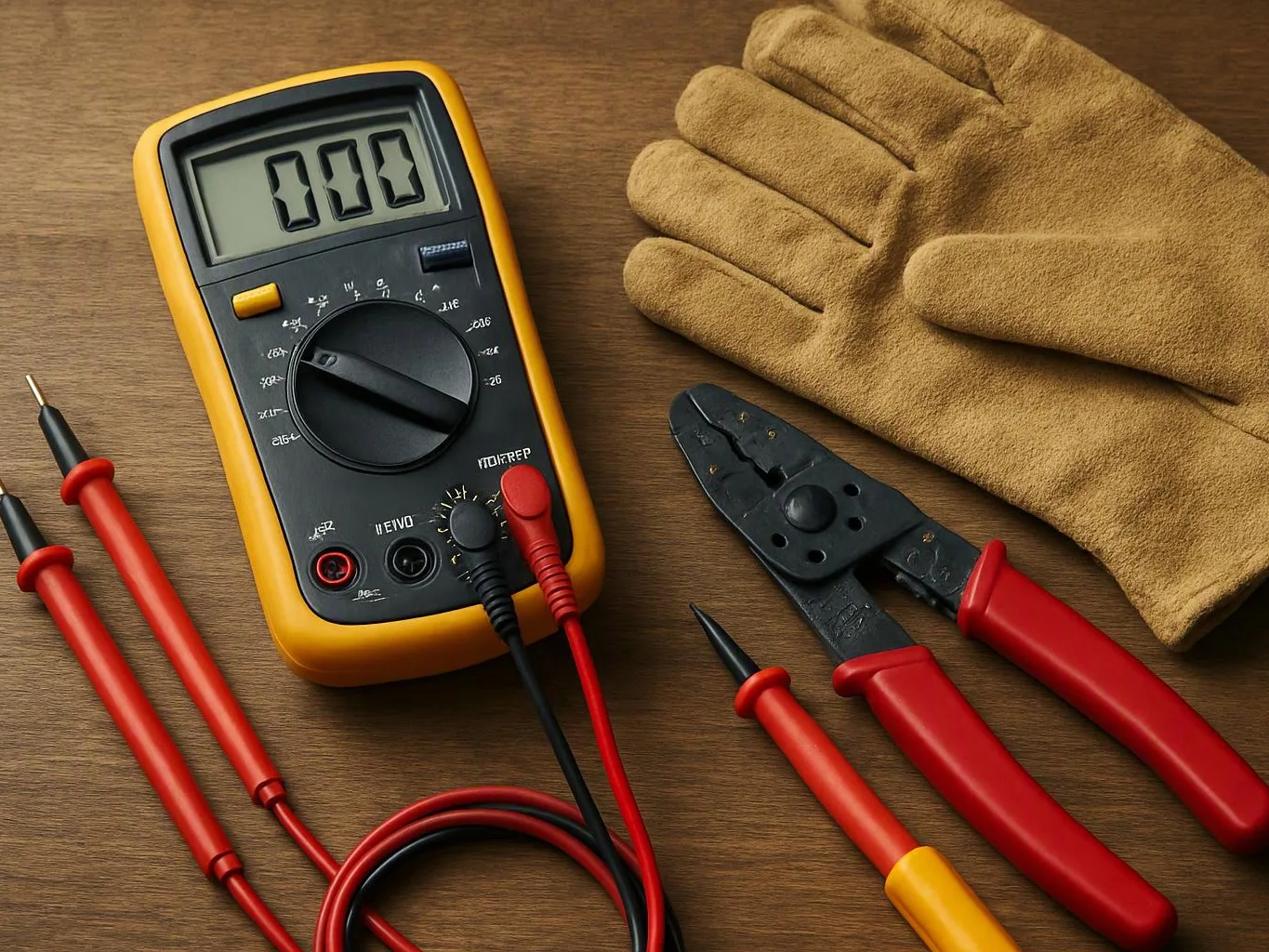
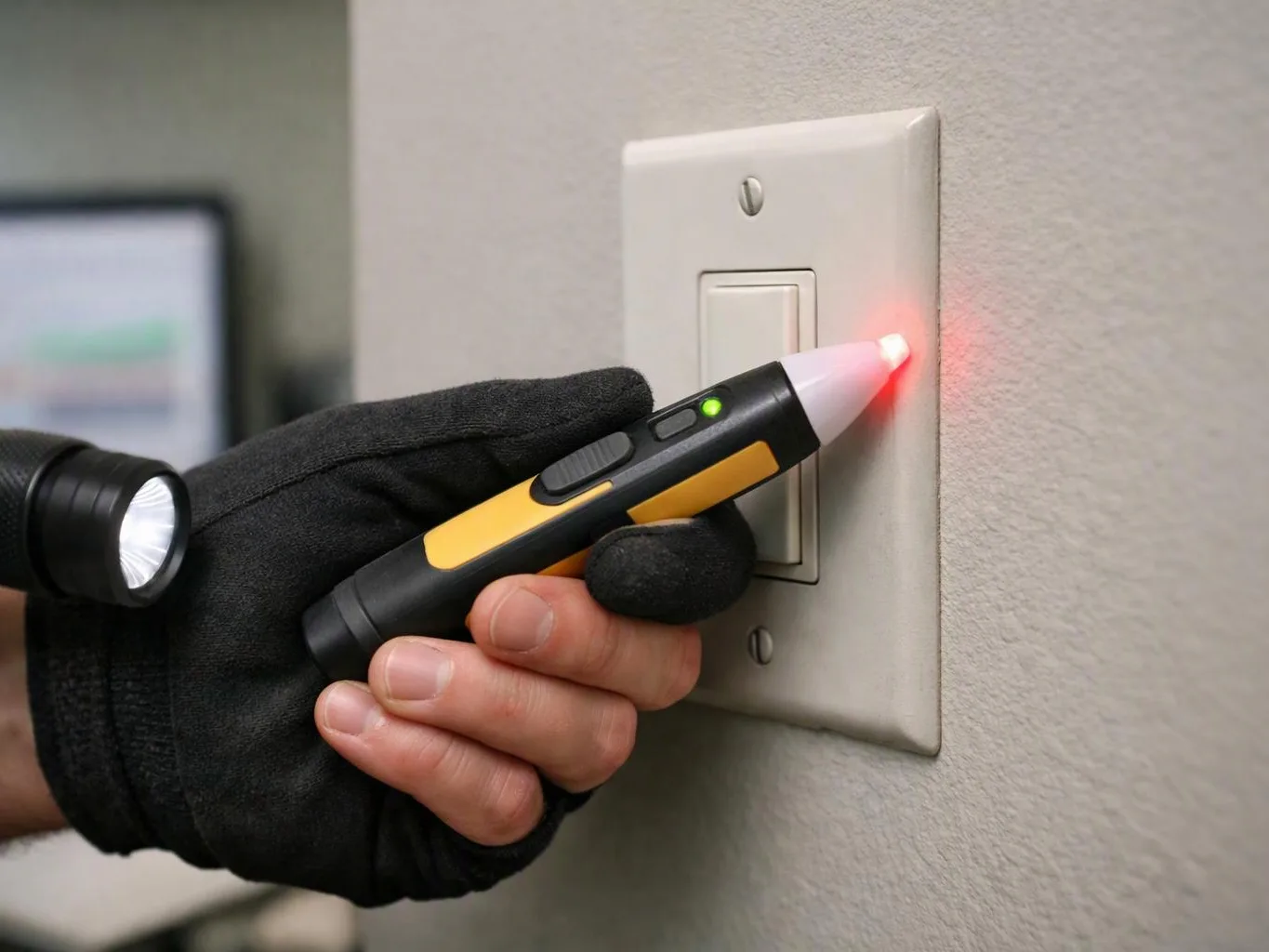
Circuit tracing shows whether the reported fault starts at the panel or on a connected branch circuit. We use that finding to set the repair or replacement scope.
A single damaged circuit may need targeted work, while panel damage can require broader replacement. The inspection also checks related connections before testing the completed electrical system.
What should be checked before panel replacement is scheduled?
The panel condition, service connections, breaker layout, grounding, and affected wiring should be checked first. We also need the reported symptoms and any visible heat or corrosion.
Customers can provide panel photos from a safe distance and identify breakers that trip. They should not remove the cover or handle damaged equipment.
Which property details change the panel upgrade scope?
The service size, panel condition, circuit count, wiring layout, grounding, and electrical demand change the upgrade scope. We review those details during the assessment.
A home and a commercial property can need different circuit mapping and service work. The estimate follows the equipment and wiring found at the property, not the symptom alone.
When is a breaker reset no longer a safe next step?
A breaker reset is no longer a safe next step when trips repeat or the panel shows heat, odor, buzzing, scorch marks, or corrosion. We inspect the fault before restoring normal operation.
Customers should leave the affected circuit off when possible and avoid touching damaged parts. A recurring trip signals a condition that needs diagnosis, not repeated resets.
Who provides emergency panel upgrade service in Pittsboro?
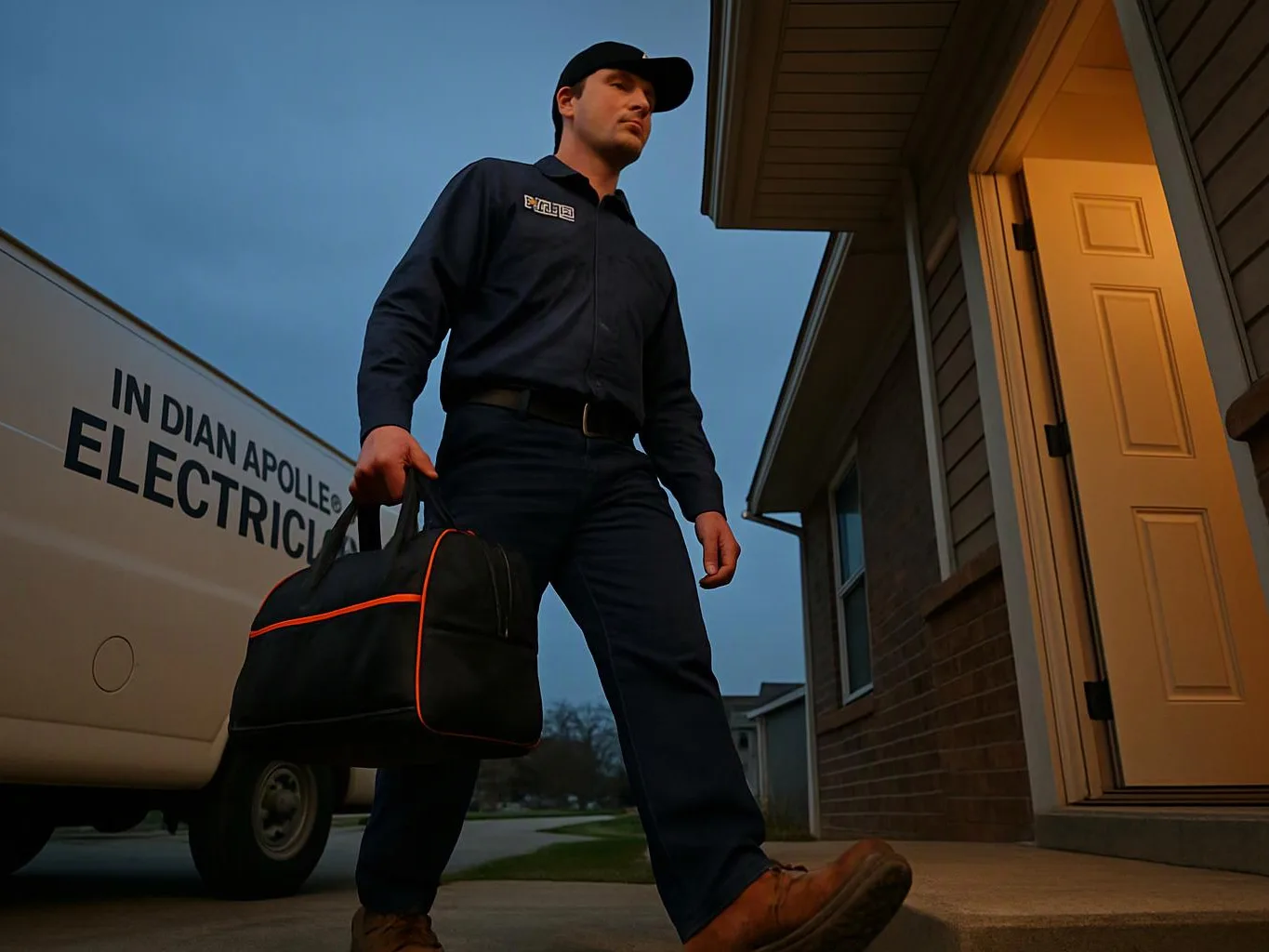
GMB Electric provides emergency panel-upgrade service in Pittsboro for residential and commercial properties. We inspect panel faults, trace affected circuits, and handle related electrical work.
Our electricians are licensed and insured. Customers can request a quote or assessment by phone and explain the symptoms before scheduling.