Can emergency electrical repair prevent further damage?
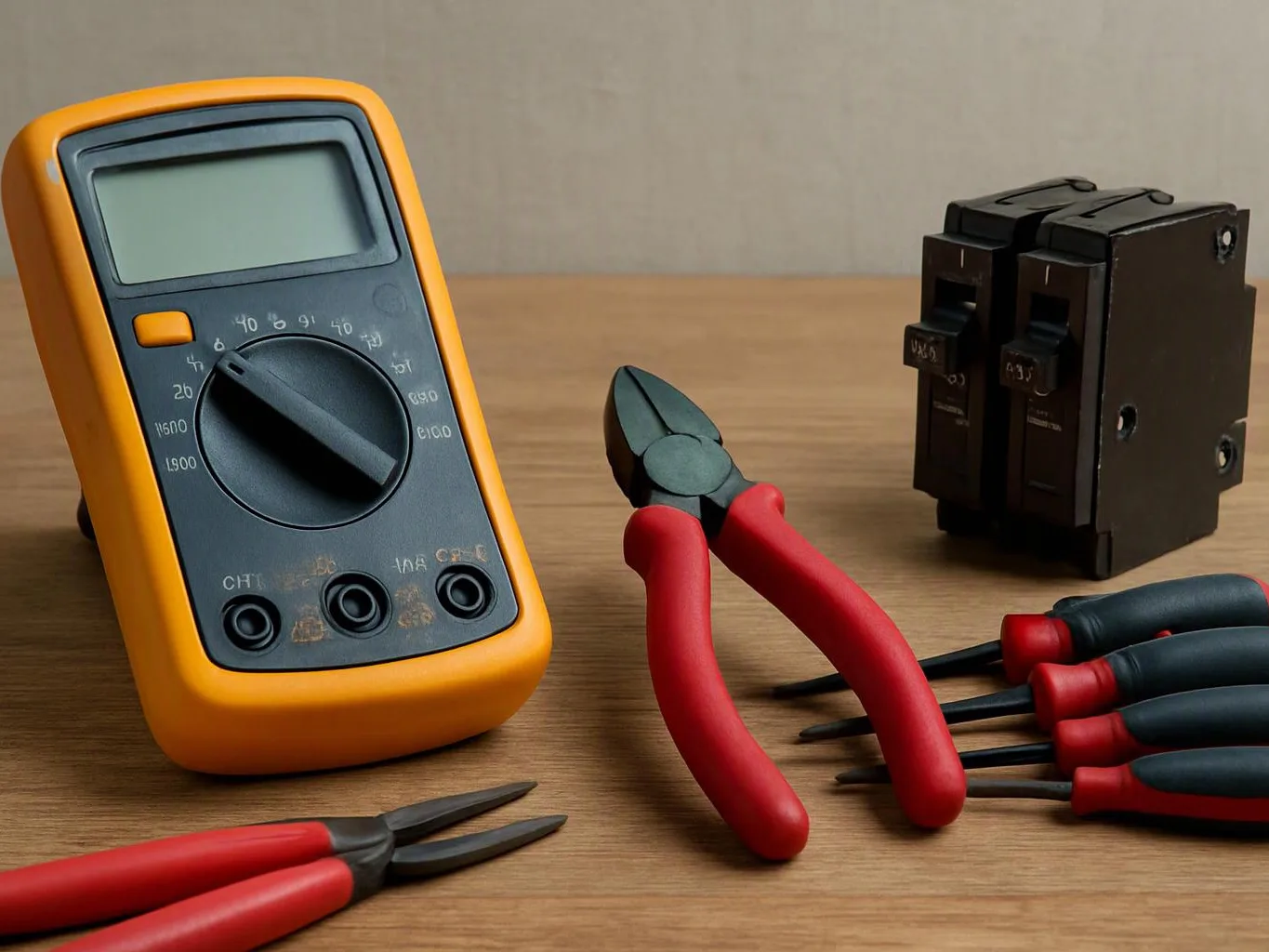
Yes, load testing can help prevent further damage by showing whether circuit demand exceeds safe capacity. GMB Electric then isolates the affected circuit, checks fault points, and repairs damaged wiring or connections. Customers should stop using a circuit that smells hot, buzzes, sparks, or trips repeatedly until it has been inspected.
Who is a good fit for emergency electrical repair, and who needs a different service?
Emergency electrical repair fits property owners with sudden power loss, unsafe wiring, breaker faults, or damaged outlets. Planned upgrades suit customers seeking new lighting, added capacity, or whole-home rewiring without an urgent fault. Our team can assess the reported issue and explain which service matches the electrical condition.
What does the crew look at first during an urgent electrical visit?
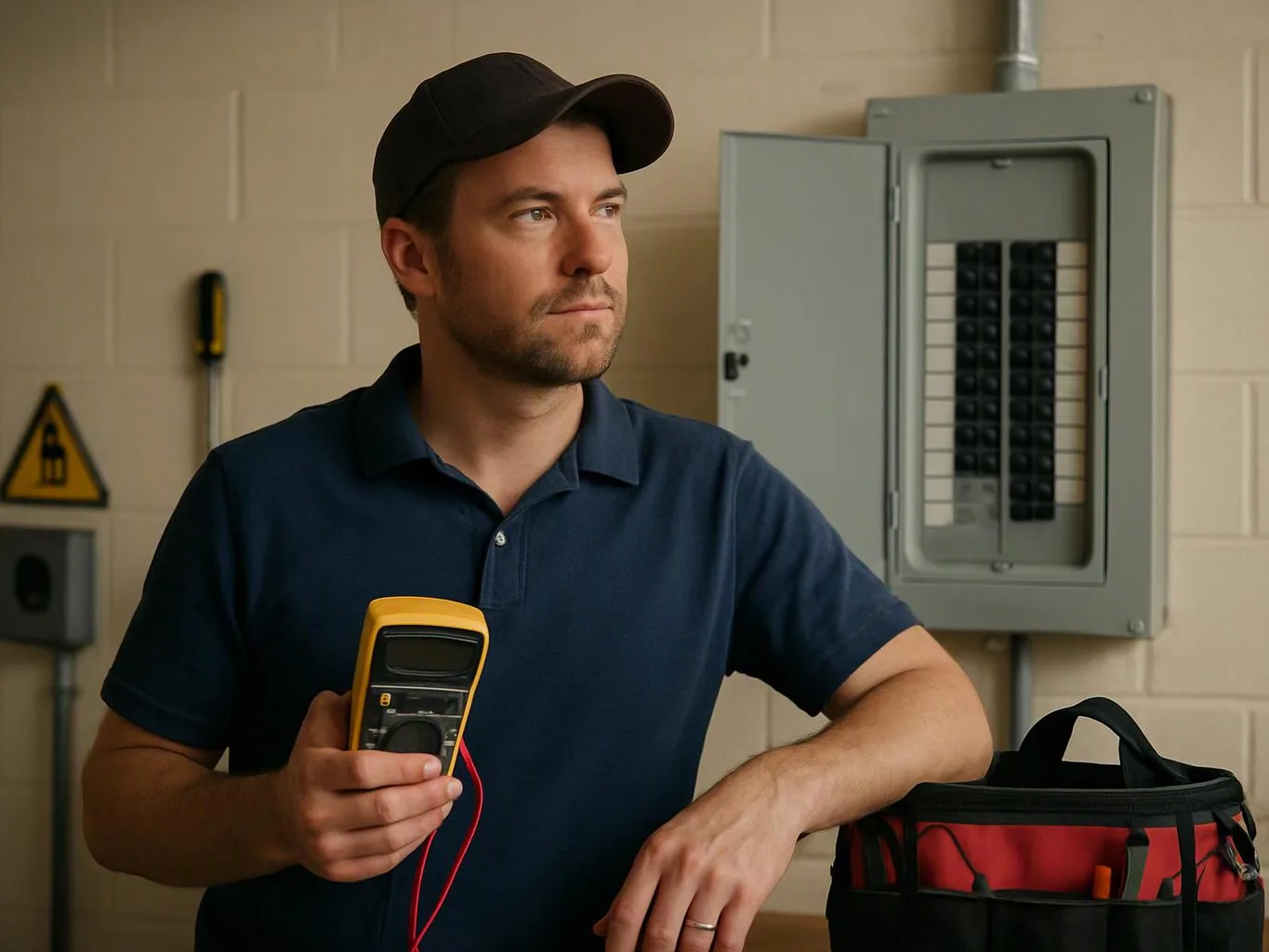
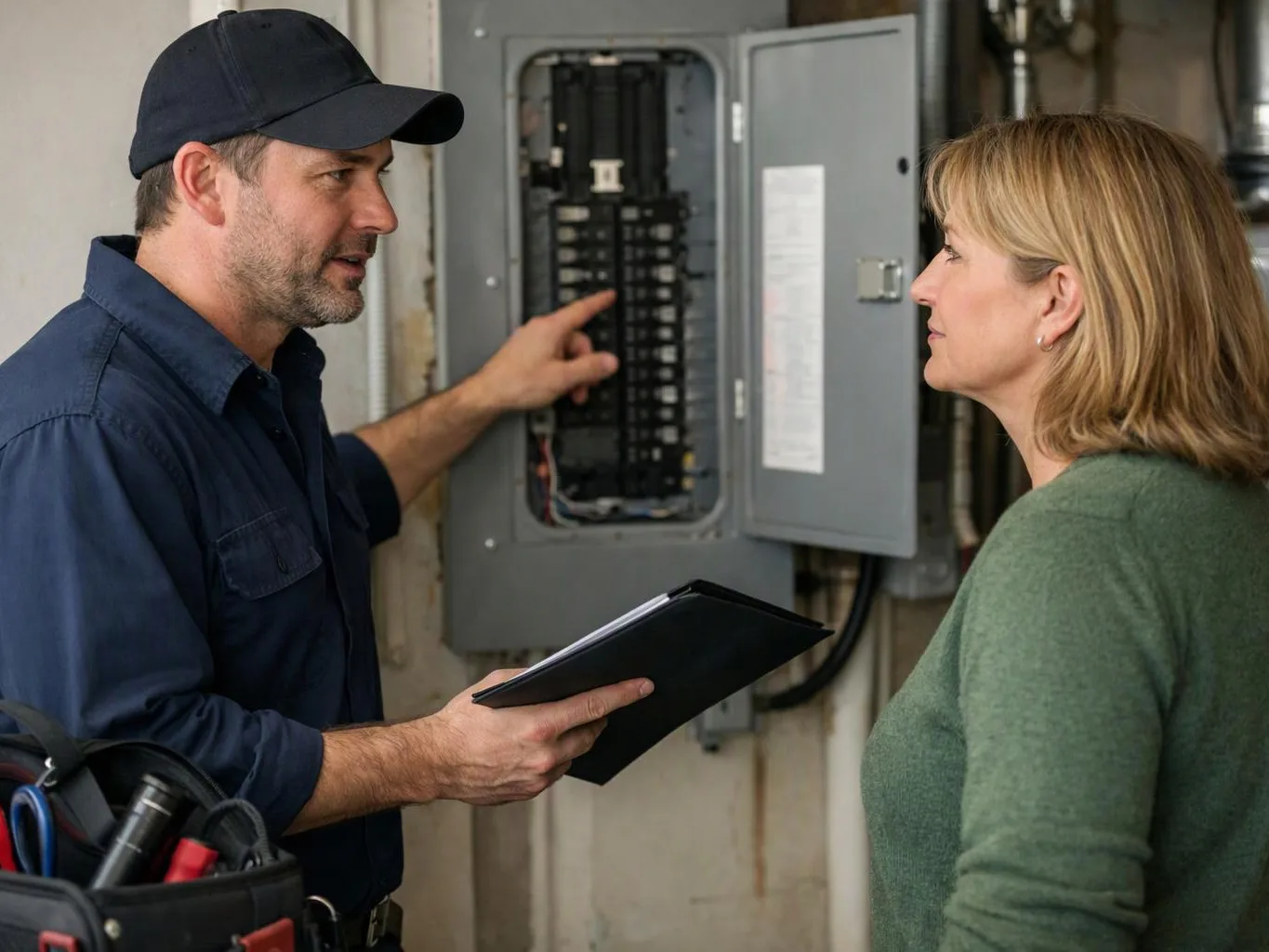
The first check covers the reported symptom, the electrical panel, and the affected circuit. We look for heat, buzzing, sparks, loose connections, and visible wire damage. Customers can describe what failed and which breakers changed, but they should not remove panel covers or handle exposed wiring.
What happens at each stage of emergency electrical repair?
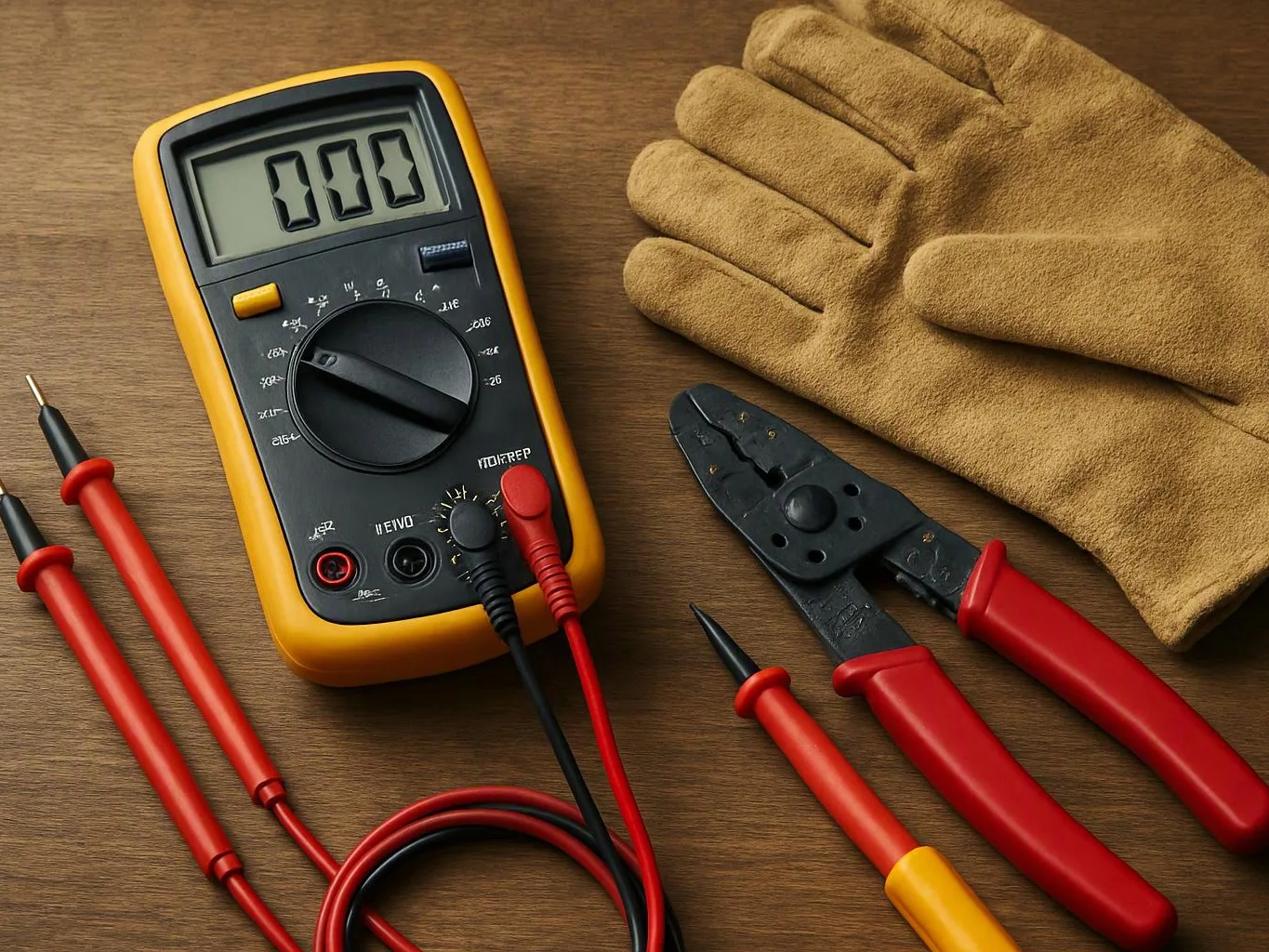
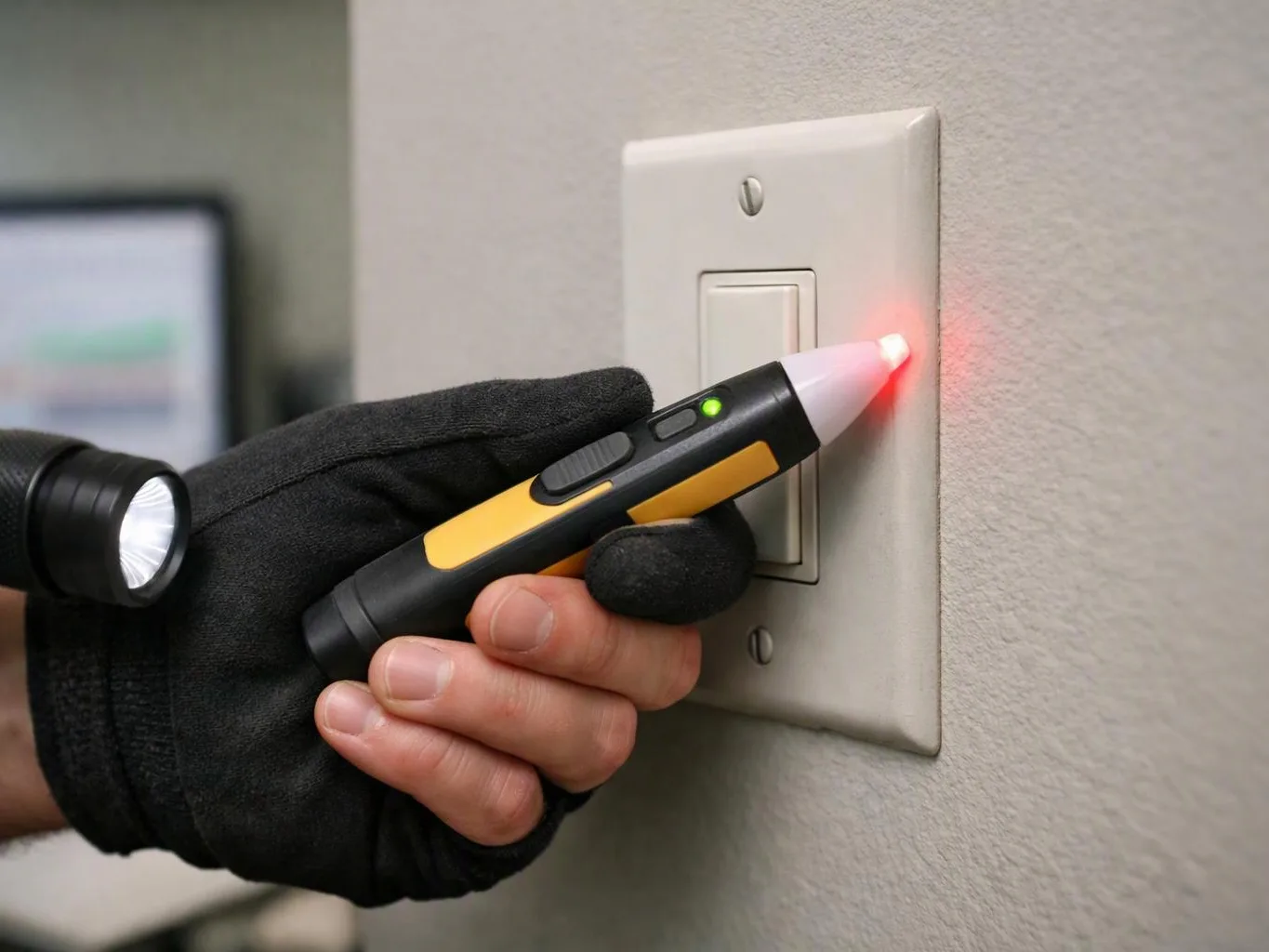
The work moves from symptom review to circuit isolation, fault detection, repair, and testing. We inspect the affected path, identify the damaged part, complete the supported repair, and verify circuit function. Customers receive the repair scope and any recommended follow-up work before the job moves beyond the urgent fault.
Which part of an urgent electrical job changes the price?
The fault location, access, damaged parts, wire condition, and panel involvement change the repair cost. A loose outlet connection has a different scope from damaged wiring inside a wall or a service entrance issue. We review those conditions and explain the estimate before planned repair work begins.
When should a breaker that keeps tripping be treated as urgent?
A repeatedly tripping breaker becomes urgent when it comes with heat, burning odor, buzzing, sparks, or dead outlets. We inspect the load, breaker, circuit, and wiring to find the cause. Repeatedly resetting the breaker can leave the underlying fault active, so keep the circuit off until it is checked.
Why might one part of a property lose power while others still work?
One area can lose power when a branch breaker, outlet connection, or section of wiring fails. We trace the affected circuit and test nearby devices to locate the break in service. A utility outage affects the wider supply, while a property-side fault usually needs electrical diagnosis at the panel or circuit.