How do electricians troubleshoot recurring electrical problems?
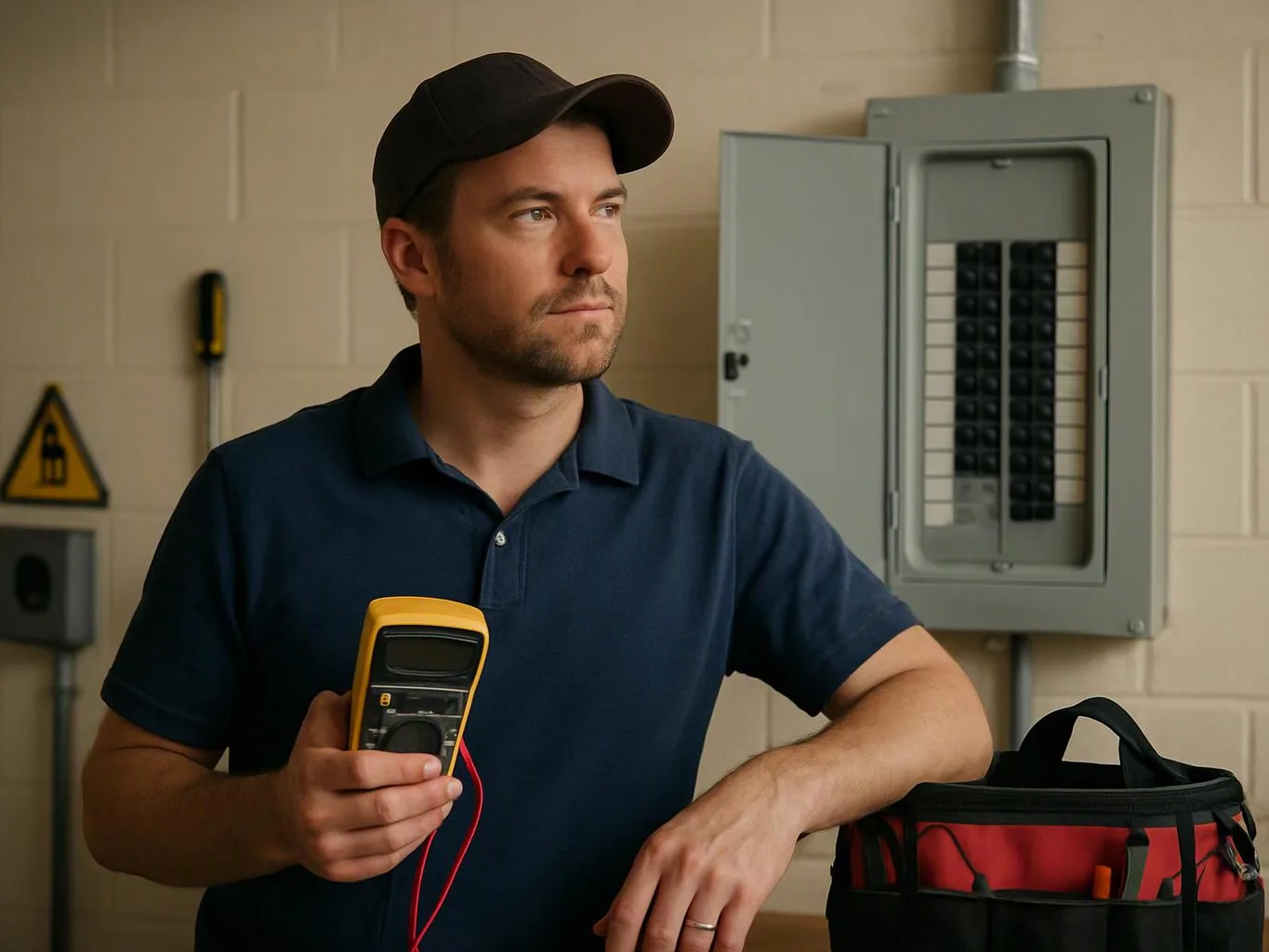
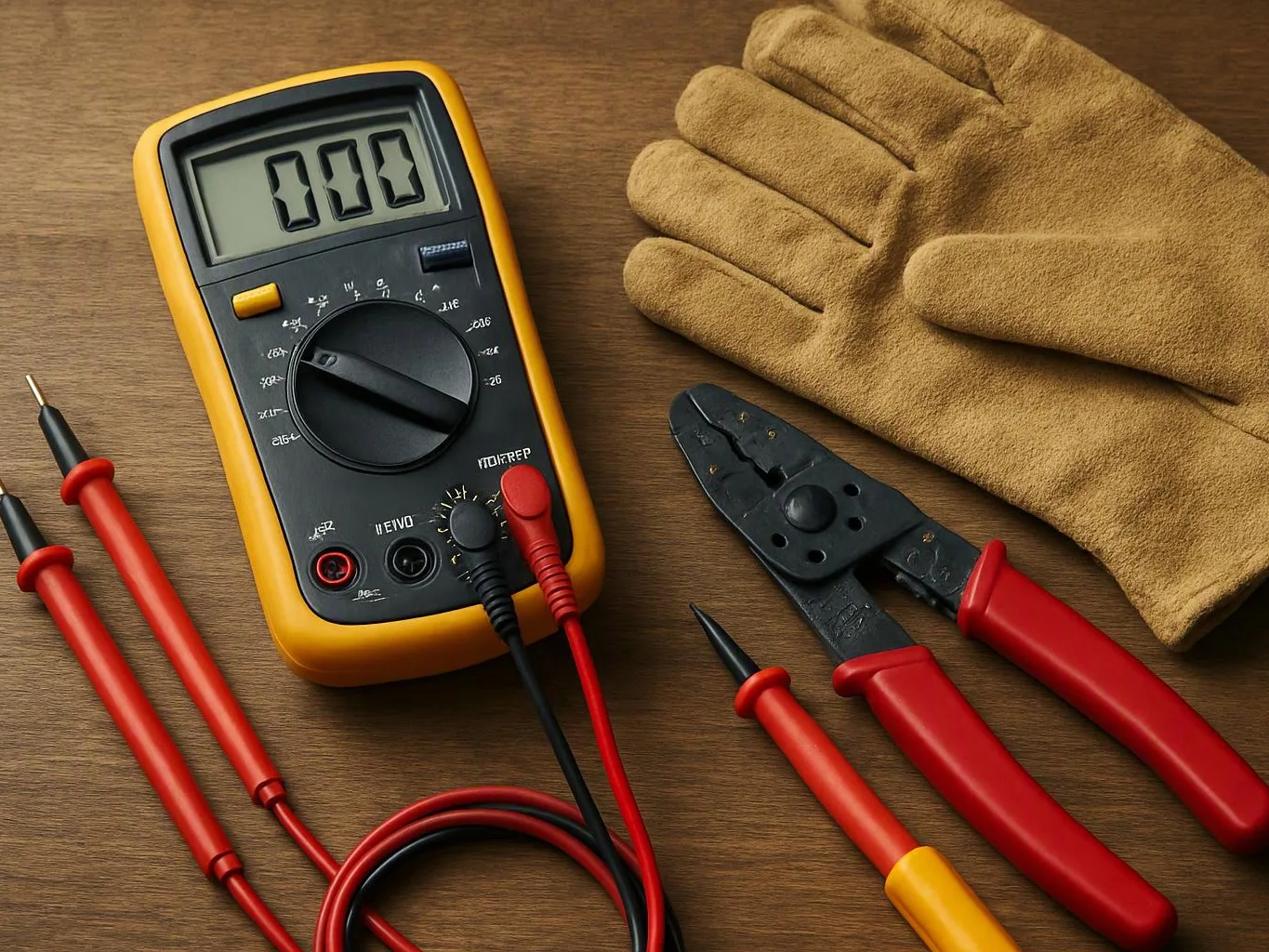
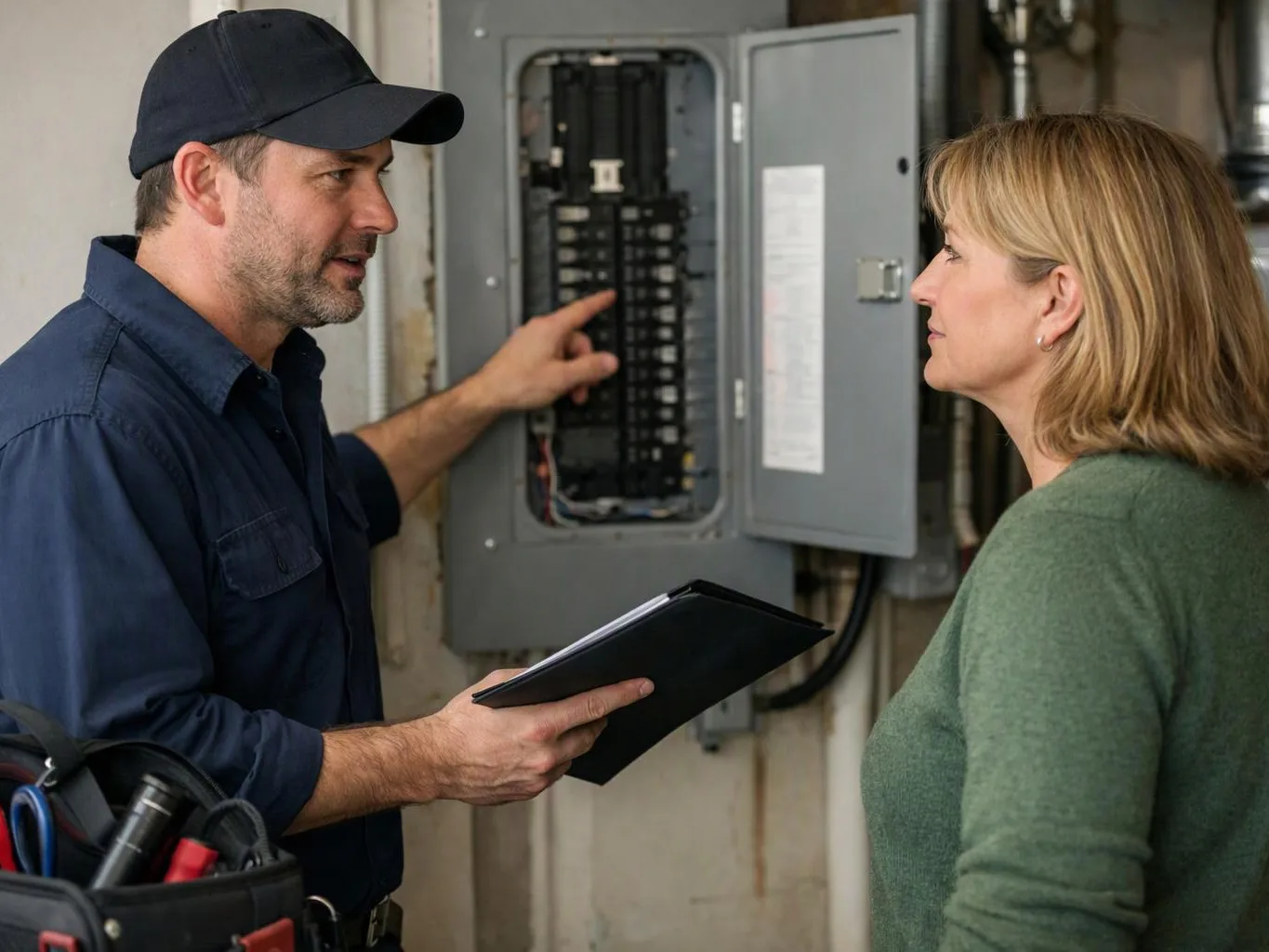
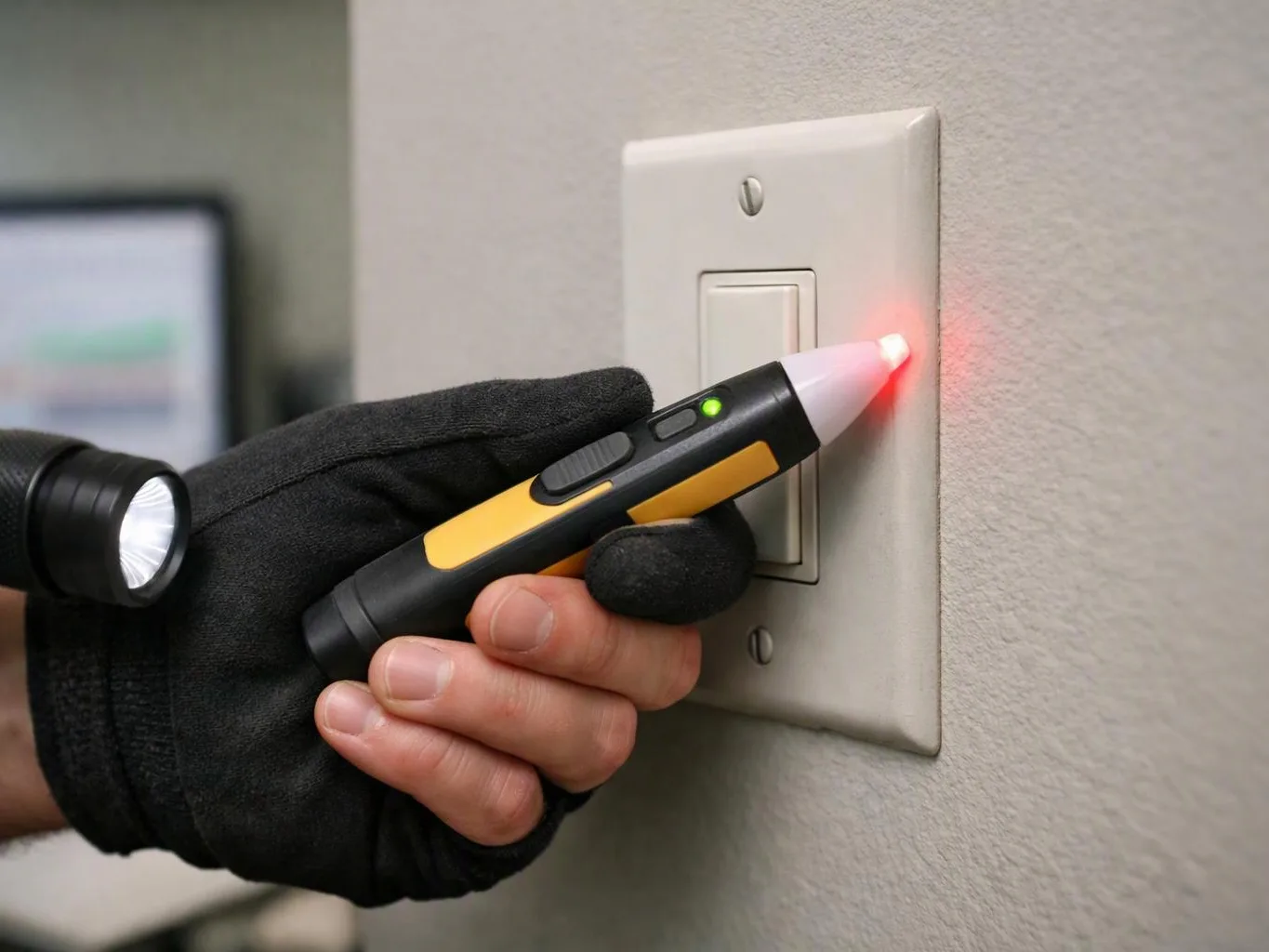
Voltage testing gives GMB Electric the first check for a recurring electrical problem. We then inspect the panel and affected devices, trace the circuit, test continuity where needed, and check for loose connections. The findings show whether the issue calls for a focused repair, equipment review, or wider wiring work.
Which part of the property decides the scope of troubleshooting?
The affected circuit decides the initial troubleshooting scope. We identify the panel, breaker, outlet, switch, fixture, or equipment connected to the symptom. Access to those parts also shapes the inspection. A fault limited to one device needs a different review from a problem that follows several points on the same circuit.
Which material changes how long electrical troubleshooting takes?
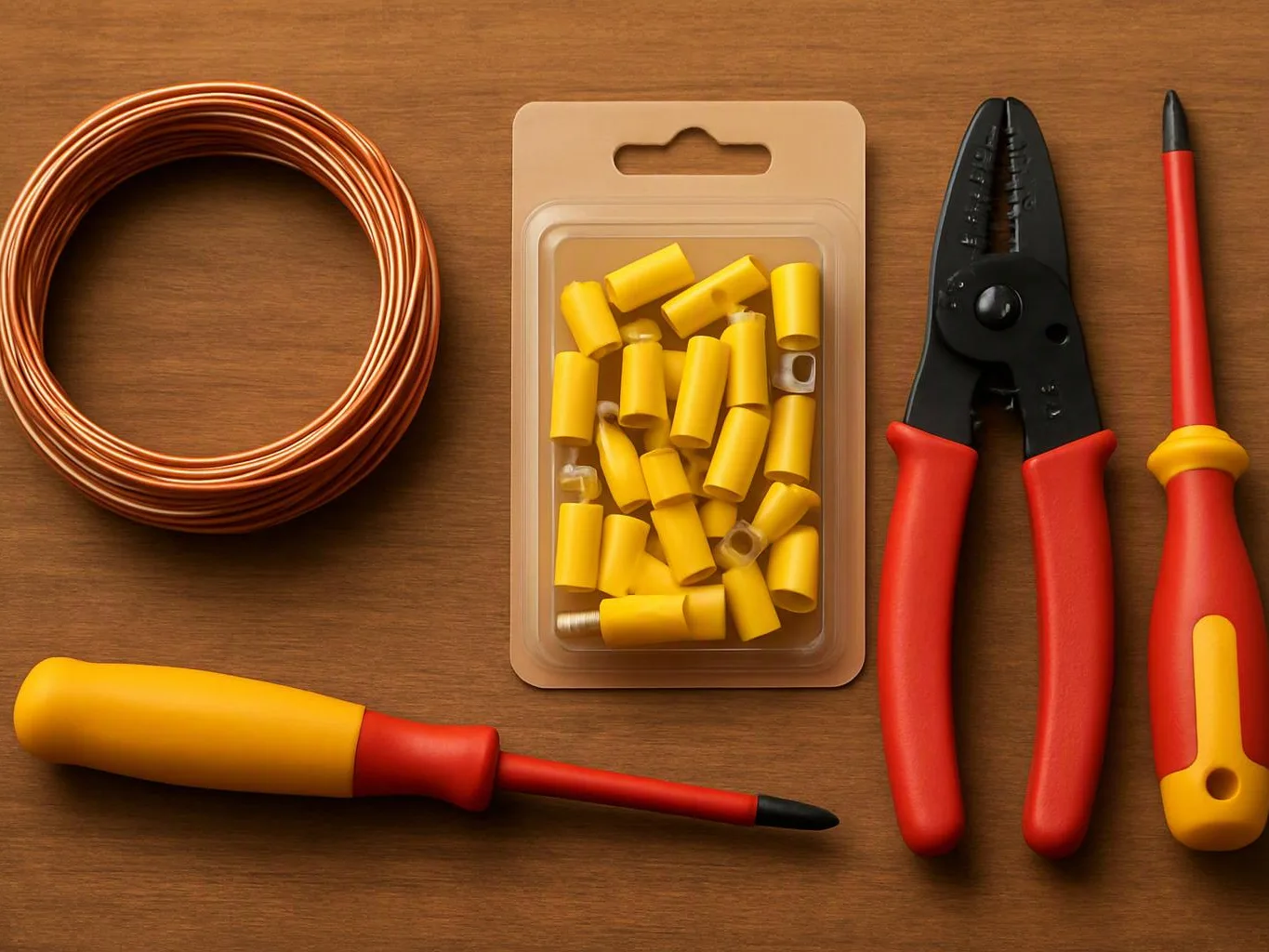
The wiring material and its access points can change the testing work. Copper, aluminum, and older wiring may need different checks at connections and devices. We inspect the accessible wiring, identify the material when relevant, and explain whether the fault needs a focused repair or further review.
What should I do before requesting electrical fault testing?
A customer should note the symptom and leave damaged or overheating equipment switched off. Record which breaker, outlet, light, or appliance is involved. Do not open the panel or remove an outlet cover if you see scorching, sparking, or exposed wiring. Share photos only from a safe position.
When does a recurring electrical fault become urgent?
A burning smell, buzzing panel, sparking outlet, or warm switch plate makes the issue urgent. Turn off the affected circuit if it is safe to do so, keep people away from damaged parts, and request emergency electrical service. We inspect the condition and explain the safest repair scope.
Why do lights flicker after a breaker reset?
Flickering after a reset can point to a loose connection, failing device, damaged circuit, or panel concern. We check the affected load and trace the circuit to separate the source from the symptom. Continued flickering, heat, or burning odor calls for prompt attention instead of repeated resets.
How does a troubleshooting visit move from the first call to the last step?
The visit moves from symptom details to inspection, circuit tracing, testing, and a repair estimate. We start with the affected area, inspect related parts, and test the suspected circuit. The final step is a plain explanation of the finding and the work needed to address it.