When should I schedule an electrical safety inspection for renovation projects?
Renovation projects should receive an electrical safety inspection before walls close or new equipment is connected. Early access helps us inspect wiring, junction boxes, circuits, and grounding paths. Share the renovation plan and fixture locations before work begins. We can then explain which existing circuits fit the plan and which repairs or upgrades need attention.
Which part of the property decides the inspection scope?
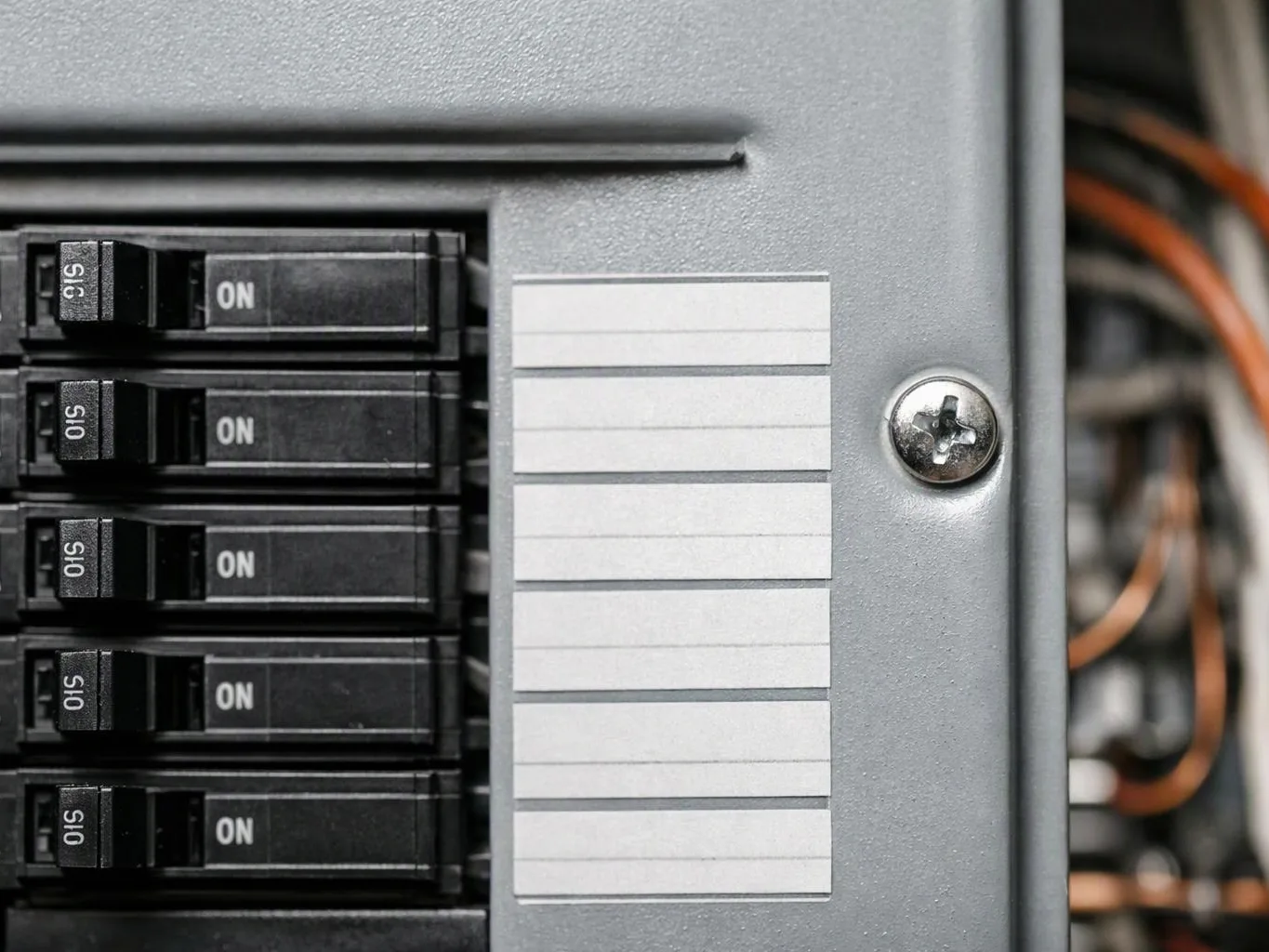
The accessible panel, wiring layout, planned electrical load, and reported symptoms decide the inspection scope. We start with the areas affected by the renovation or warning sign. Circuit tracing expands the review when labels are unclear or several rooms share a circuit. The final scope follows the property's access and the customer's safety concern.
Which material changes how long the inspection takes?
Concealed or difficult-to-access wiring can add work to an electrical safety inspection. Older cable, finished walls, crowded junction boxes, and unclear circuit labels can require more tracing and testing. We explain the access issue before expanding the review. The inspection does not include opening finished surfaces unless that work is separately discussed.
How does an electrical safety inspection move from the first call to the last step?
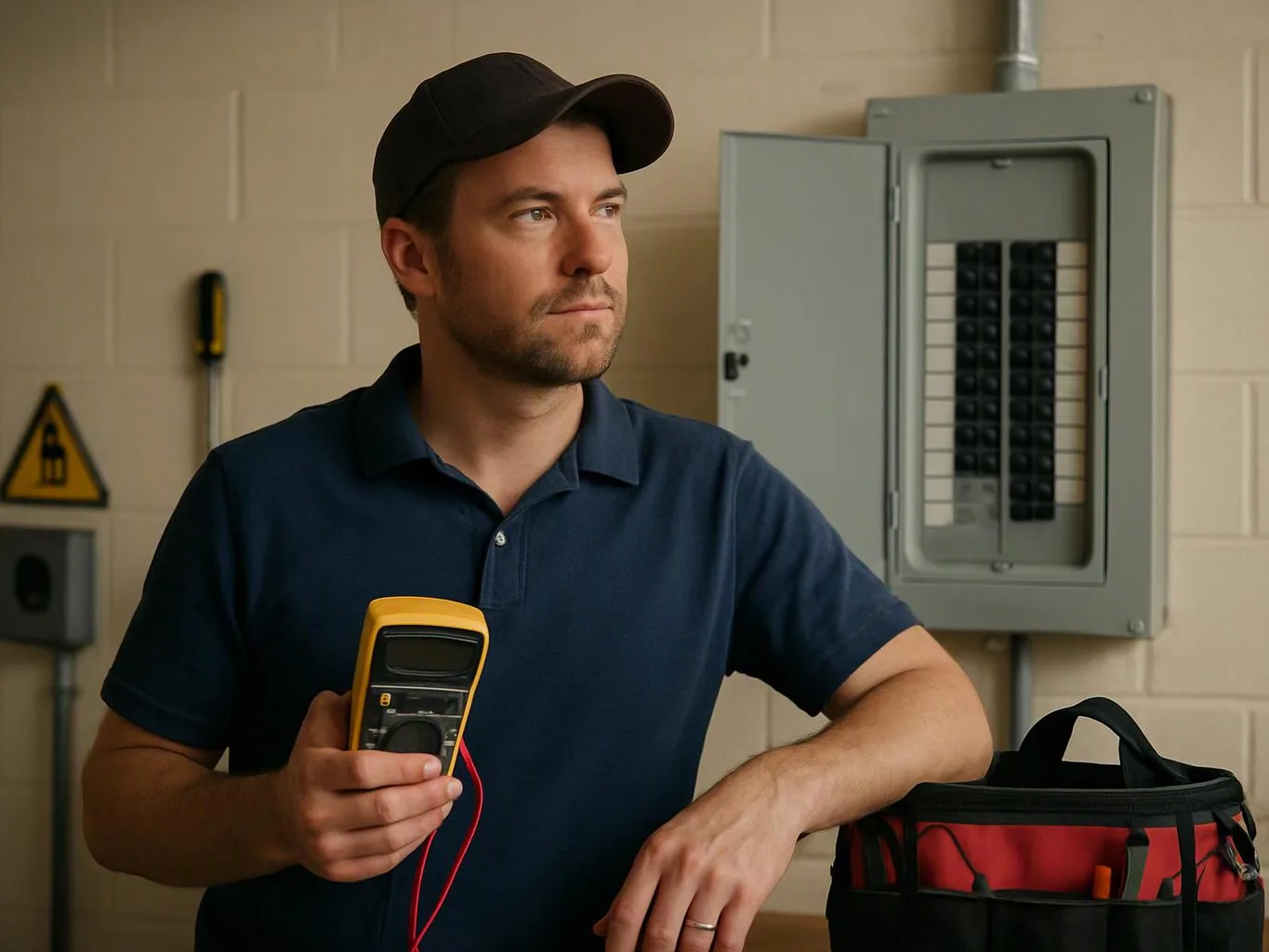
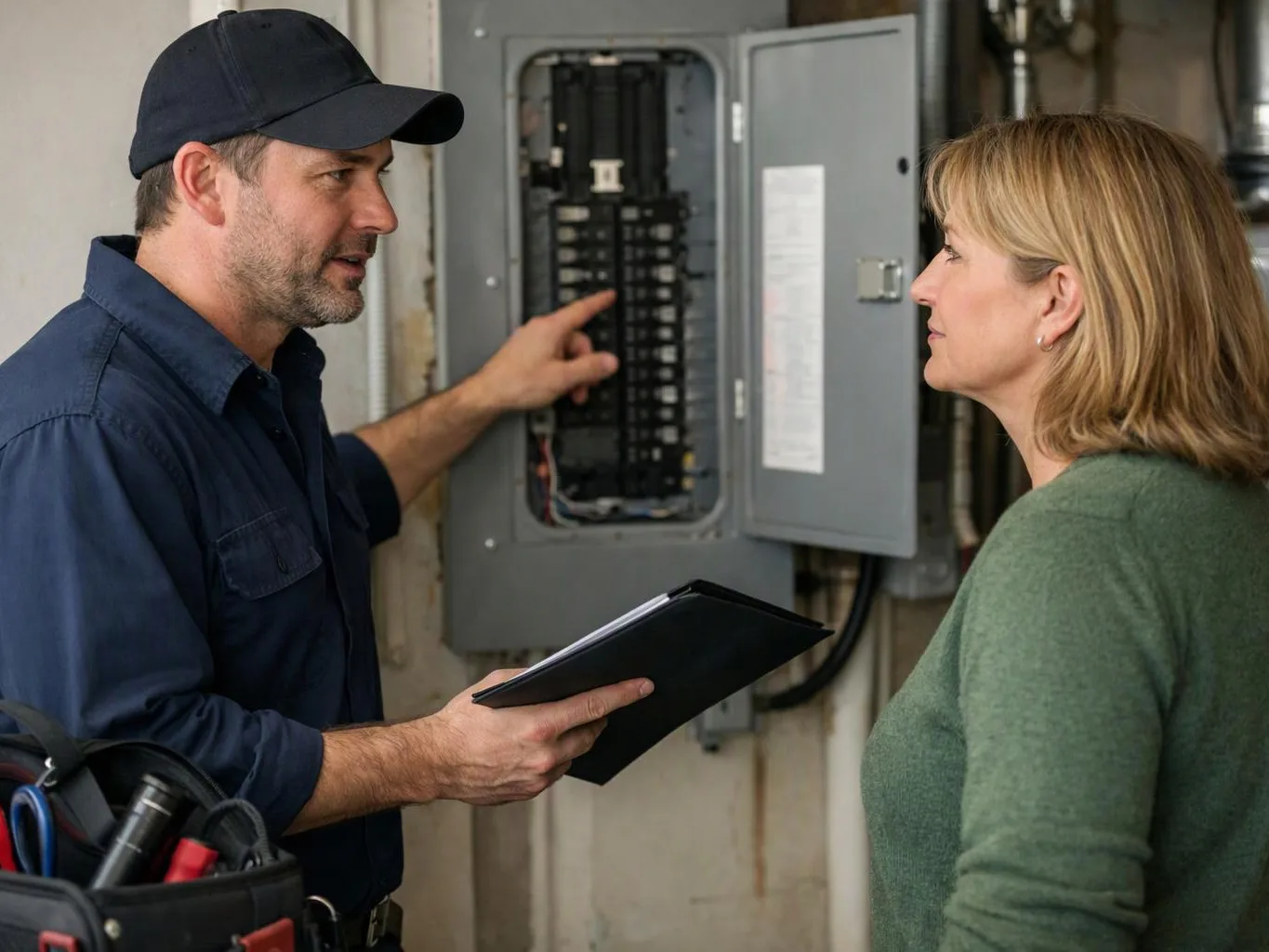
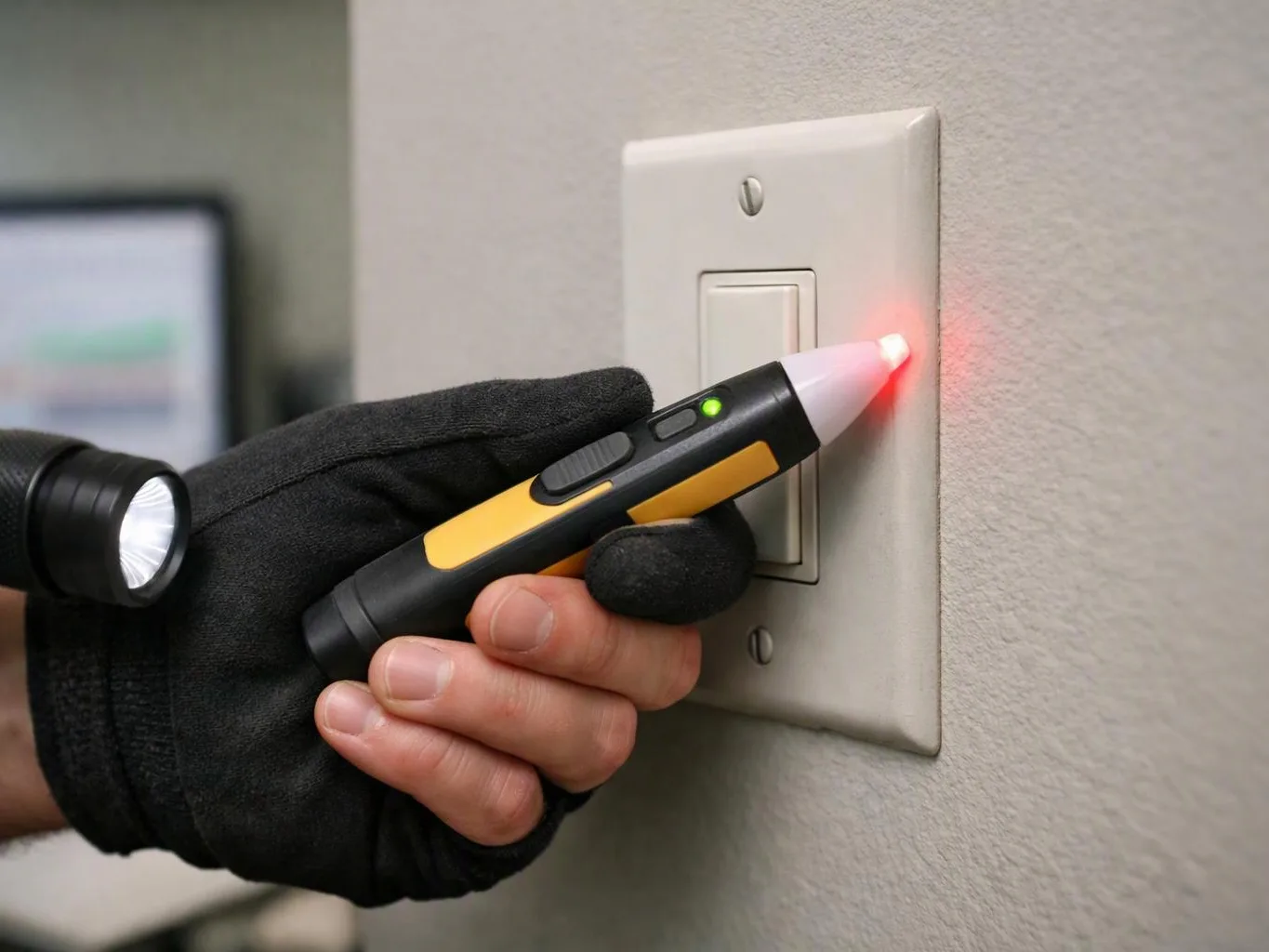
The visit moves from project review to panel checks, circuit tracing, device inspection, and findings. We first discuss the renovation plan or electrical symptom. Next, we inspect accessible parts and test relevant circuits. Finally, we explain urgent concerns, repair choices, and any electrical upgrades that fit the property.
What should I do before the electrician inspects a renovation property?
Keep the panel and affected rooms accessible before the inspection. Gather renovation plans, appliance details, and notes about flickering lights, outages, odors, or tripping breakers. Do not remove panel covers or handle damaged wiring yourself. Those details help us focus the review on the circuits that matter to the planned work.
Why does a breaker keep tripping after new equipment is added?
A breaker may keep tripping when equipment overloads a circuit or when a fault affects the wiring or device. We trace the circuit, inspect connected outlets, and review the planned load. Stop resetting a breaker that trips again. Repeated trips need diagnosis before the equipment remains in use.
Who provides electrical safety inspections in Bargersville?
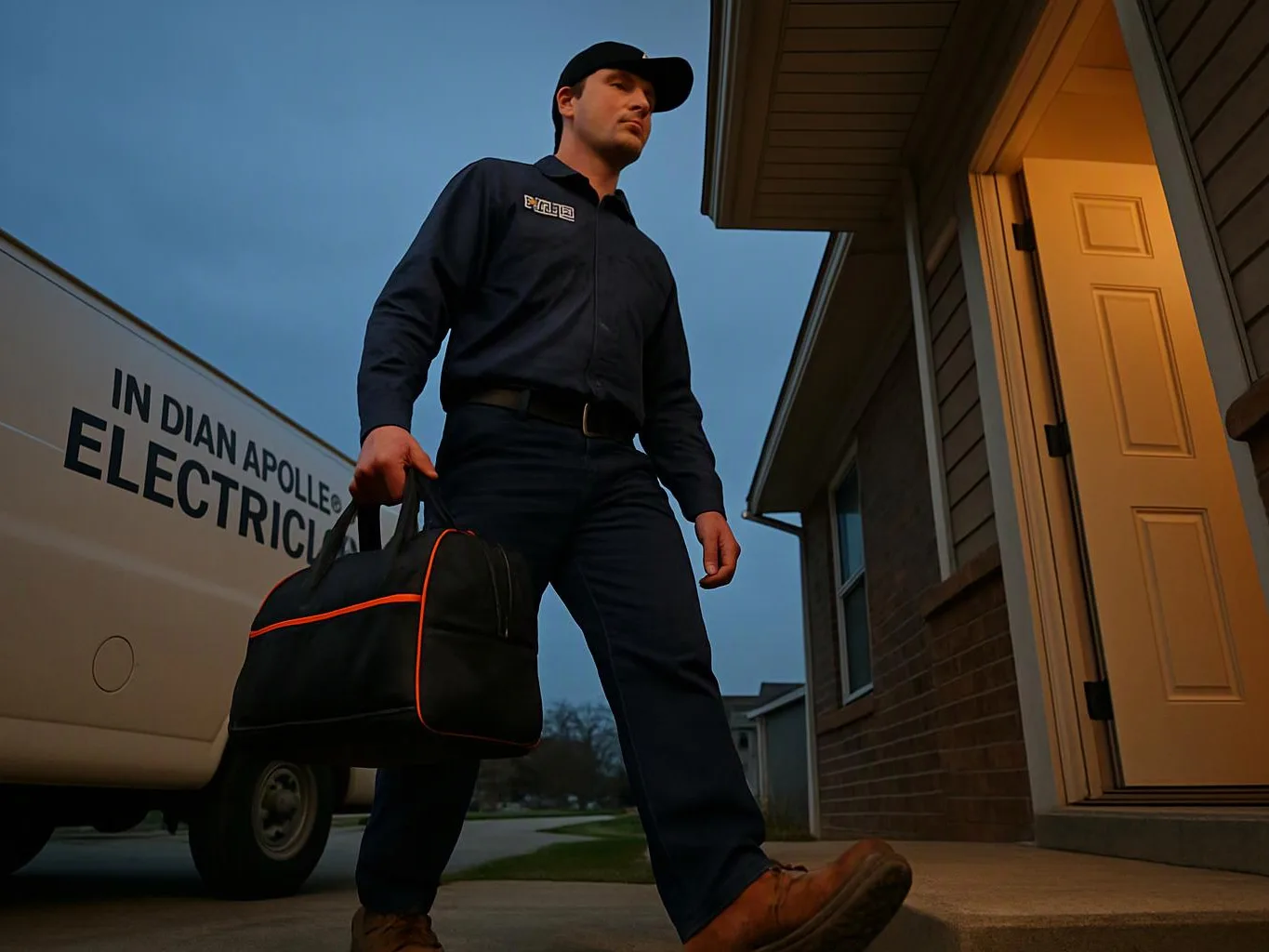
GMB Electric provides electrical safety inspections for residential and commercial properties in Bargersville. Our licensed and insured electricians inspect accessible panels, wiring, outlets, switches, circuits, and grounding. We also explain whether the next step is a repair, circuit change, panel upgrade, or further assessment.