Questions about electrical code correction
How does a code correction visit move from the first call to the last step?
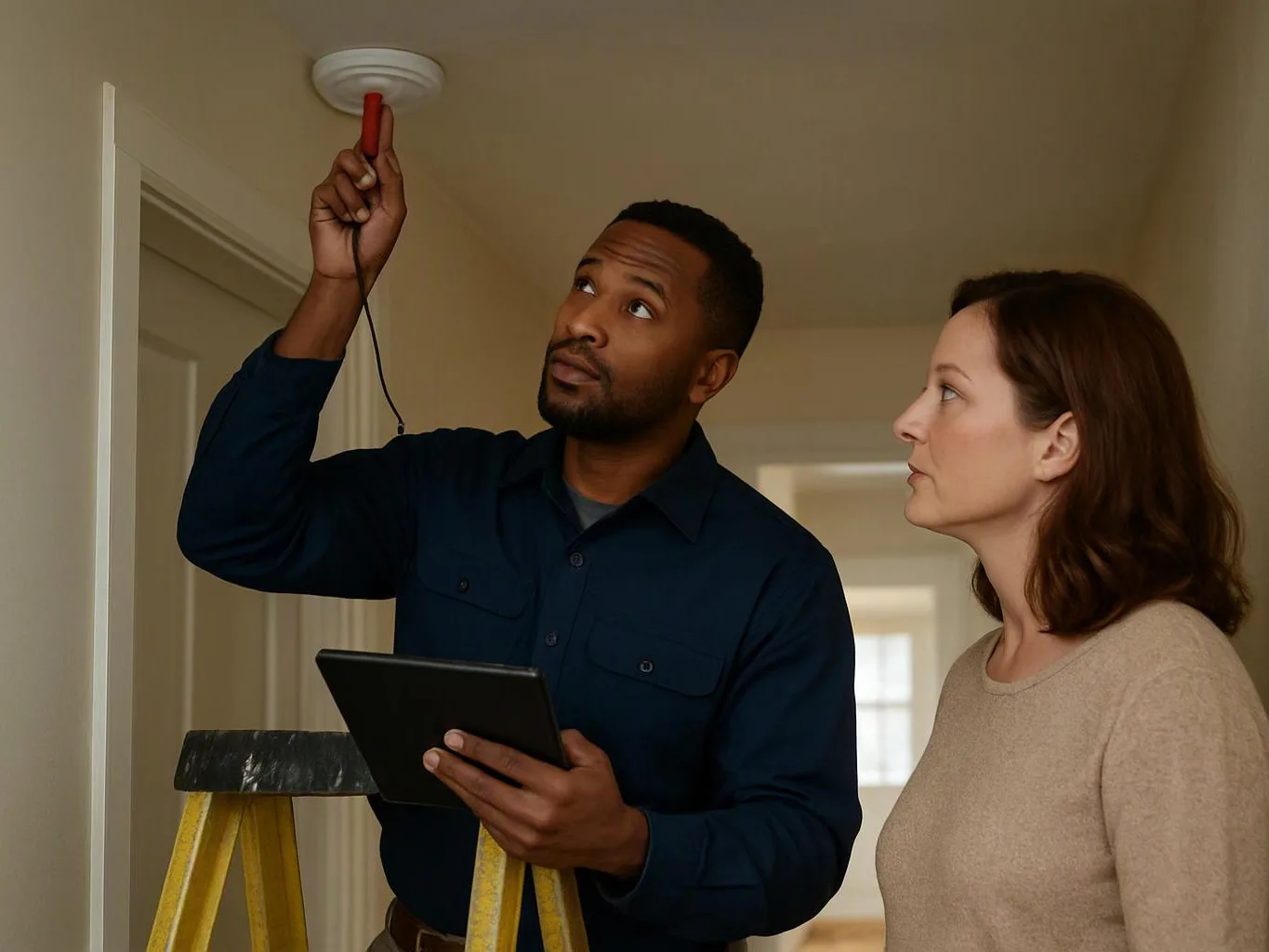
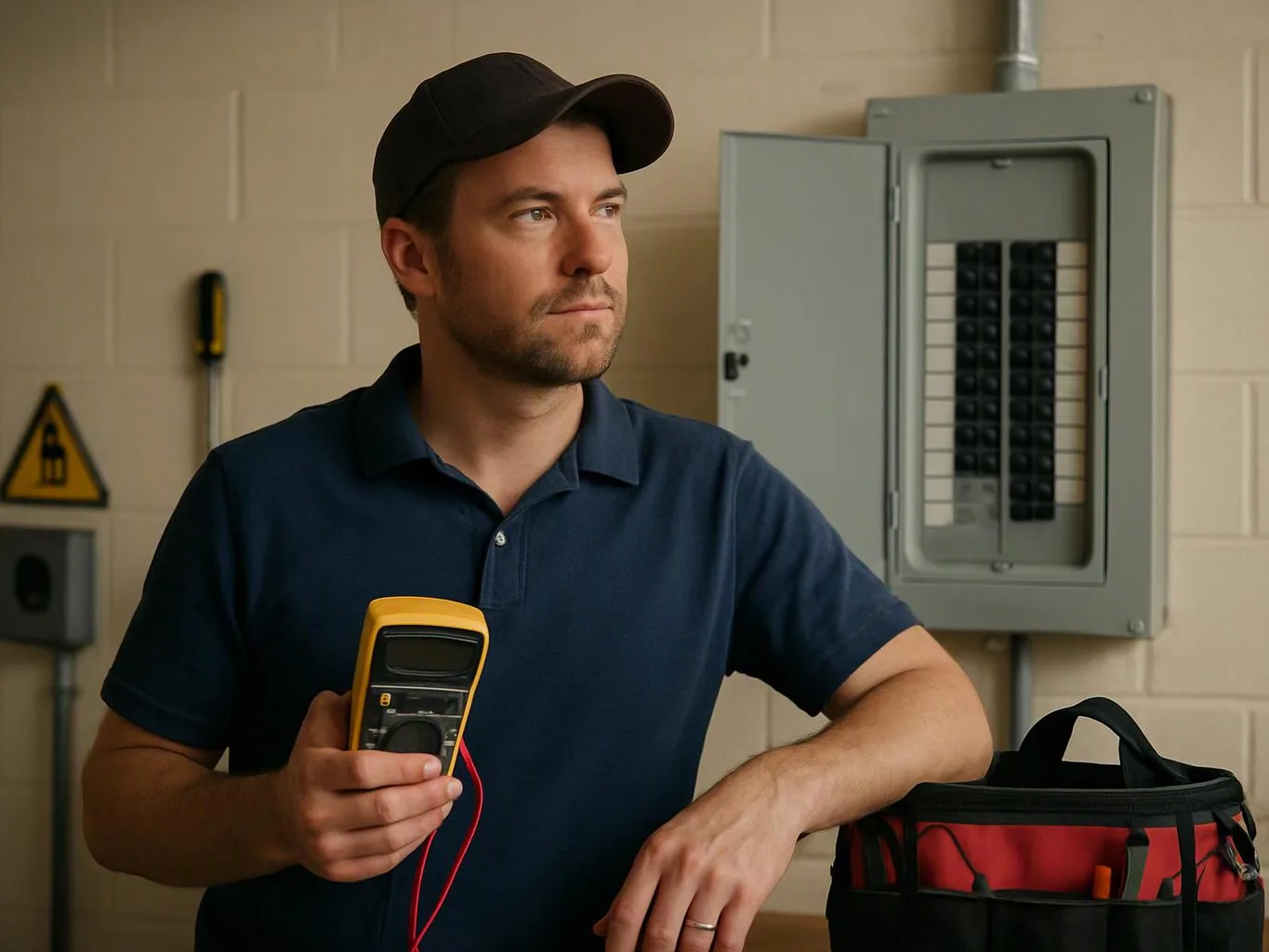
The visit moves from symptom review to inspection, circuit tracing, correction planning, repair, and testing. We start by checking the reported area and related panel connections. The work scope follows the diagnosis, so a focused repair is separated from panel or rewiring needs. We explain the completed correction after testing the affected circuit.
Which material changes how long the correction work takes?
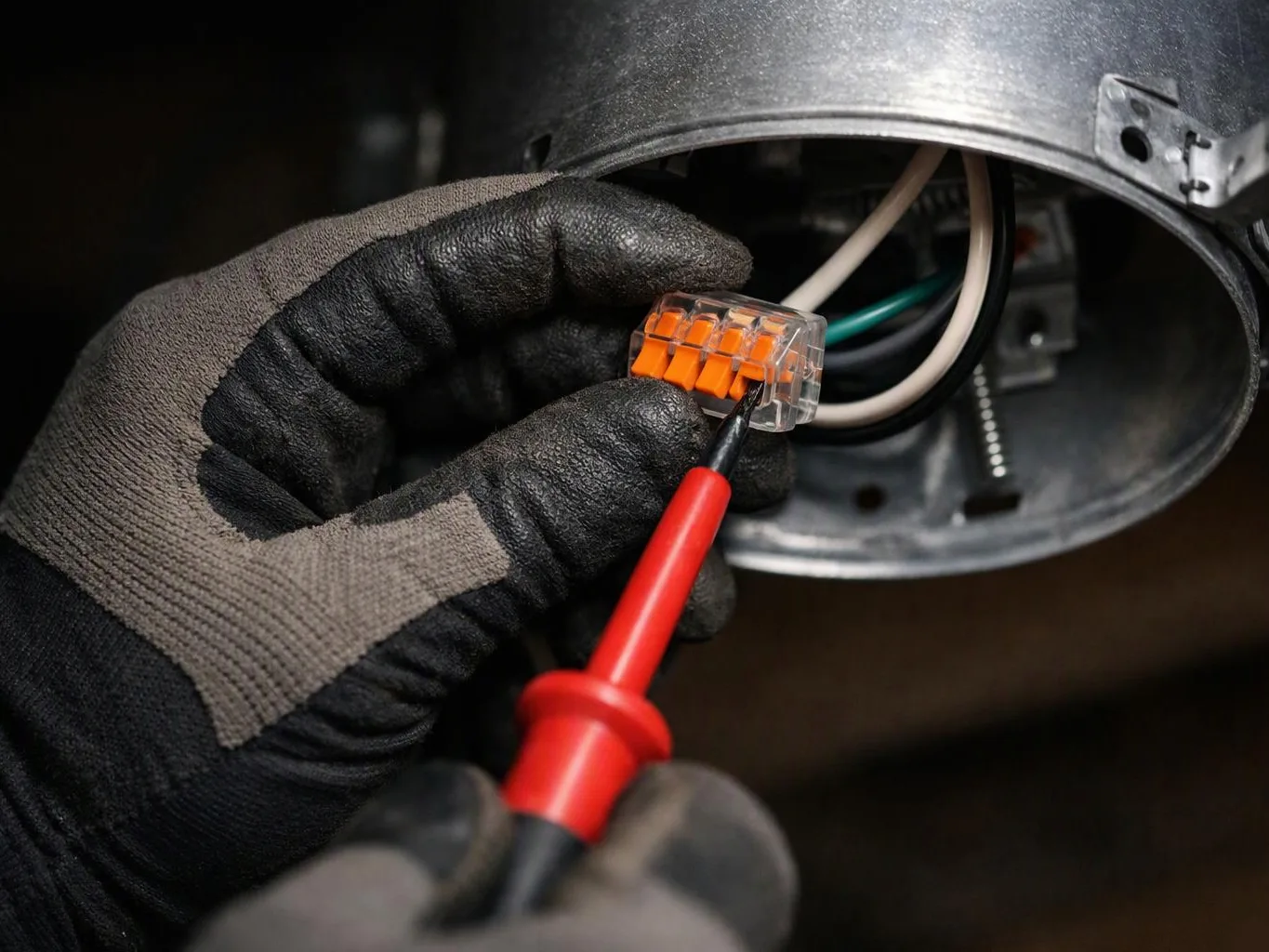
The wiring material and its condition can change the work needed for correction. Copper conductors, aluminum wiring, damaged insulation, and older connection methods require different checks and repair steps. We inspect the accessible wiring before setting the scope. The amount of access, not a preset time, determines how the work proceeds.
How can a customer tell whether code correction fits the property?
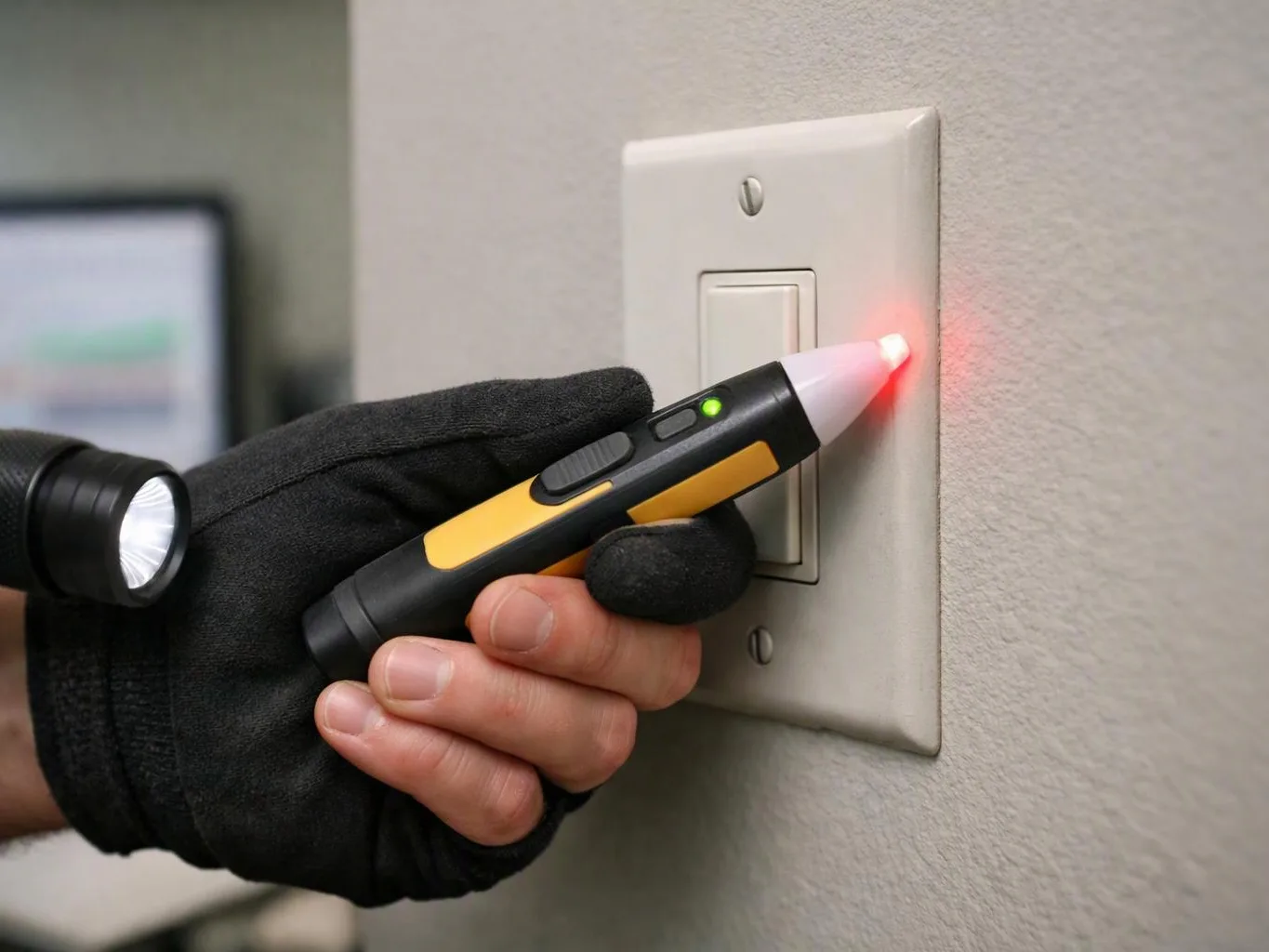
Code correction fits when unsafe wiring, grounding, panel, junction, or inspection concerns affect the property. A simple fixture failure may need a focused electrical repair instead. Repeated breaker trips, warm switch plates, dead outlets, or exposed conductors support a broader inspection. We help separate a single-device problem from a system concern.
What changes the price of correction work on a panel?
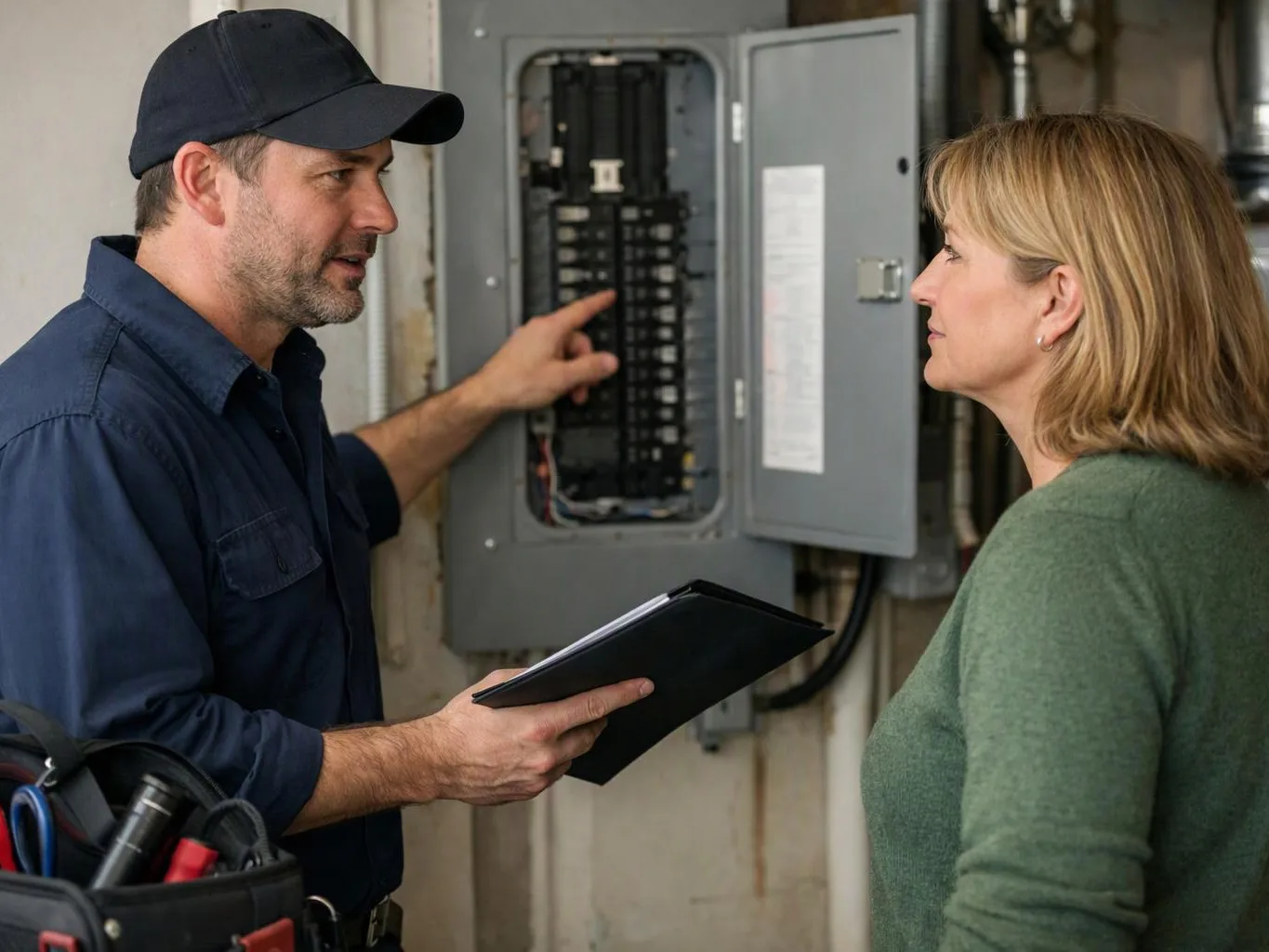
Panel condition, circuit count, access, grounding needs, and required wiring changes drive the price. A panel review can show whether the issue is a connection, overload, damaged conductor, or capacity concern. We inspect those factors before providing a free estimate. The estimate reflects the actual correction scope, not a generic service tier.
Should I call an electrician or the utility company for a power outage?
The utility company handles supply-side outages, while we inspect property-side wiring, panels, and circuits. Check whether nearby properties also lost power before requesting electrical service. If only the property has power loss, a tripped main, damaged panel, or internal fault may need inspection. Do not touch damaged equipment or burning wiring.
What should I do before requesting an urgent electrical assessment?
Turn off the affected device if you can do so safely, keep people away from damaged wiring, and note the symptoms. Photos of a panel label or damaged outlet can help explain the issue, but do not remove covers. Tell us which circuits are affected and whether you noticed heat, buzzing, smoke, or a burning smell.