What electrical issues commonly require code correction?
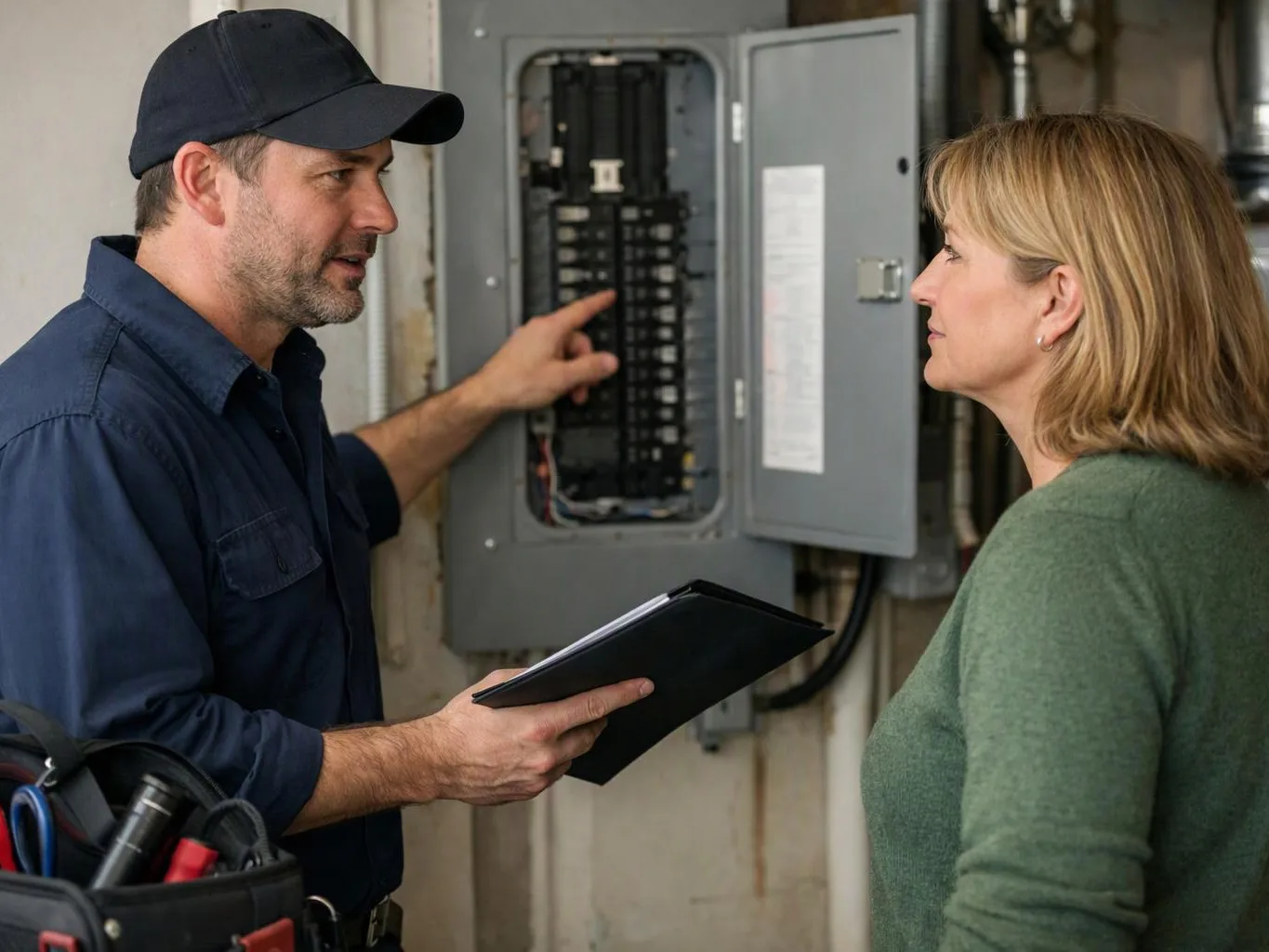
Open junctions commonly require code correction when connections or conductors remain exposed. GMB Electric also checks improper wiring, missing grounding, overloaded panels, damaged outlets, and repeated breaker trips. The inspection focuses on the affected circuit and its connection to the panel. We then explain which repair addresses the code concern.
How can I tell whether code correction fits my property?
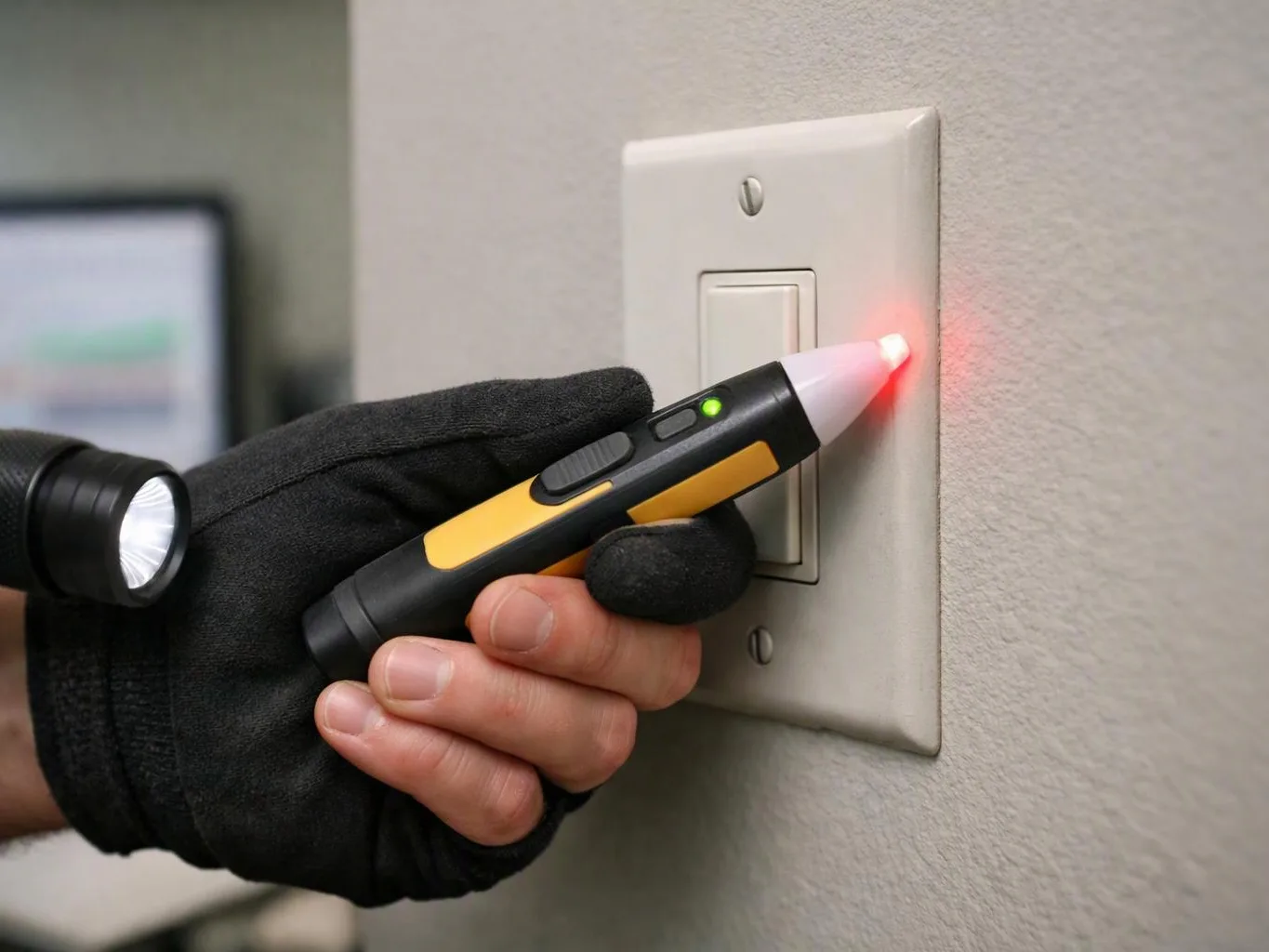
A code correction fits when an inspection, visible defect, or repeated electrical symptom points to unsafe wiring or connections. Signs include open junctions, buzzing panels, warm switch plates, sparking outlets, or breakers that keep tripping. We inspect the affected system and separate wiring concerns from appliance or utility problems.
Which part of the property decides the correction scope?
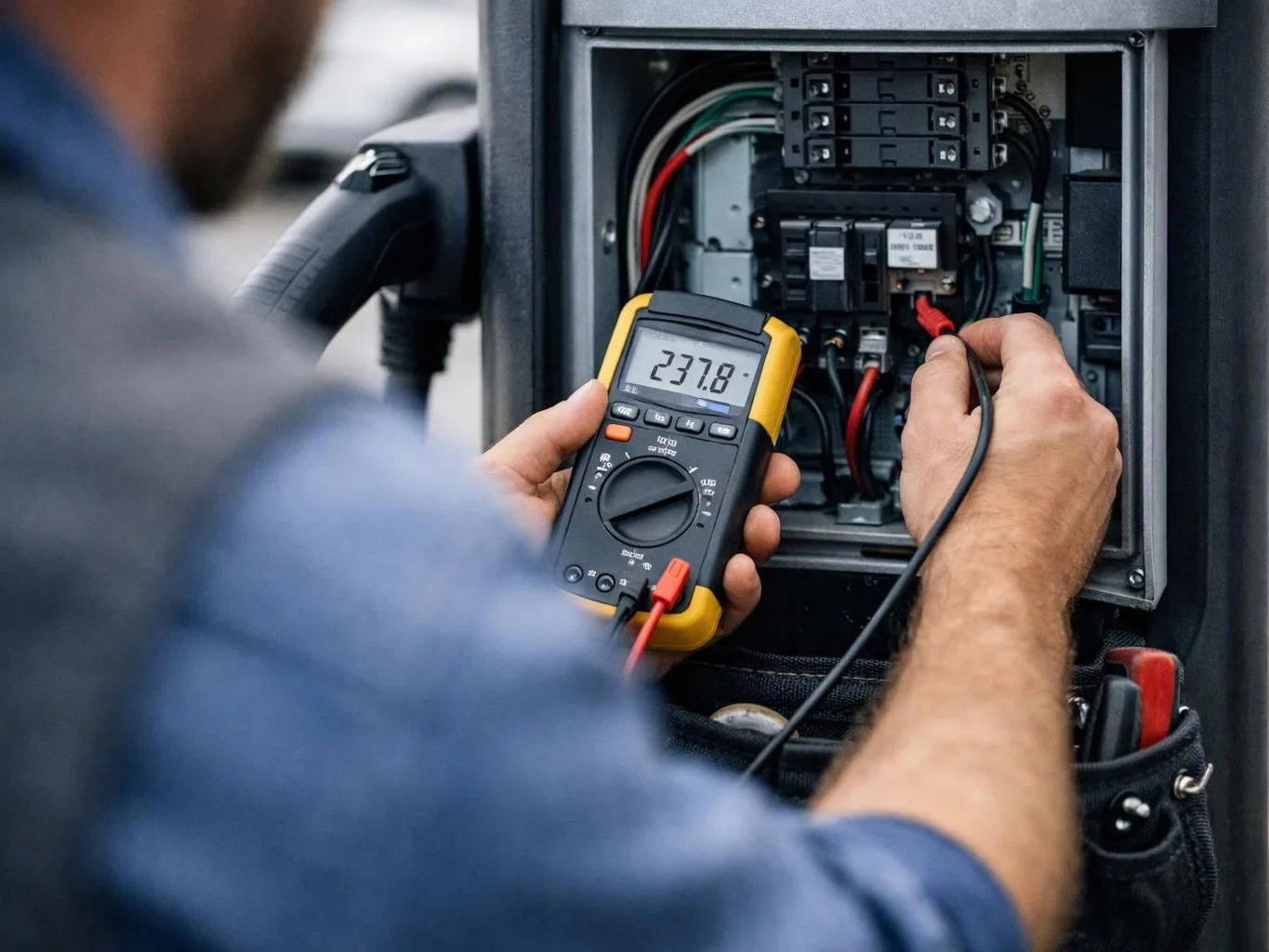
The affected circuit and its connection to the electrical panel decide the correction scope. Access to junctions, walls, ceilings, outlets, and panel wiring also matters. We trace the circuit, check grounding and load, then identify the parts that need repair. A single visible issue can involve more than one connection.
What changes the price of correcting an open junction?
The junction location, wiring condition, circuit reach, access, and parts needed change the price of correcting an open junction. We inspect the connection before giving a free estimate. Customers should share inspection notes or photos when safe, but they should not open energized electrical boxes.
Which material changes how long correction work takes?
The wiring material and the condition of its connections can change the work time. Aluminum wiring, damaged insulation, mixed wire types, and hard-to-access junctions may require added tracing or repair steps. We identify the material during inspection and explain the scope before work begins.
When should I stop resetting a tripped breaker?
Stop resetting a breaker when it trips again, feels hot, buzzes, or shows damage. Repeated trips can point to overloaded panels, improper wiring, or a fault on the circuit. We inspect the breaker, connected load, wiring, and panel before deciding whether code correction applies.
Why do two-prong outlets need a grounding check?
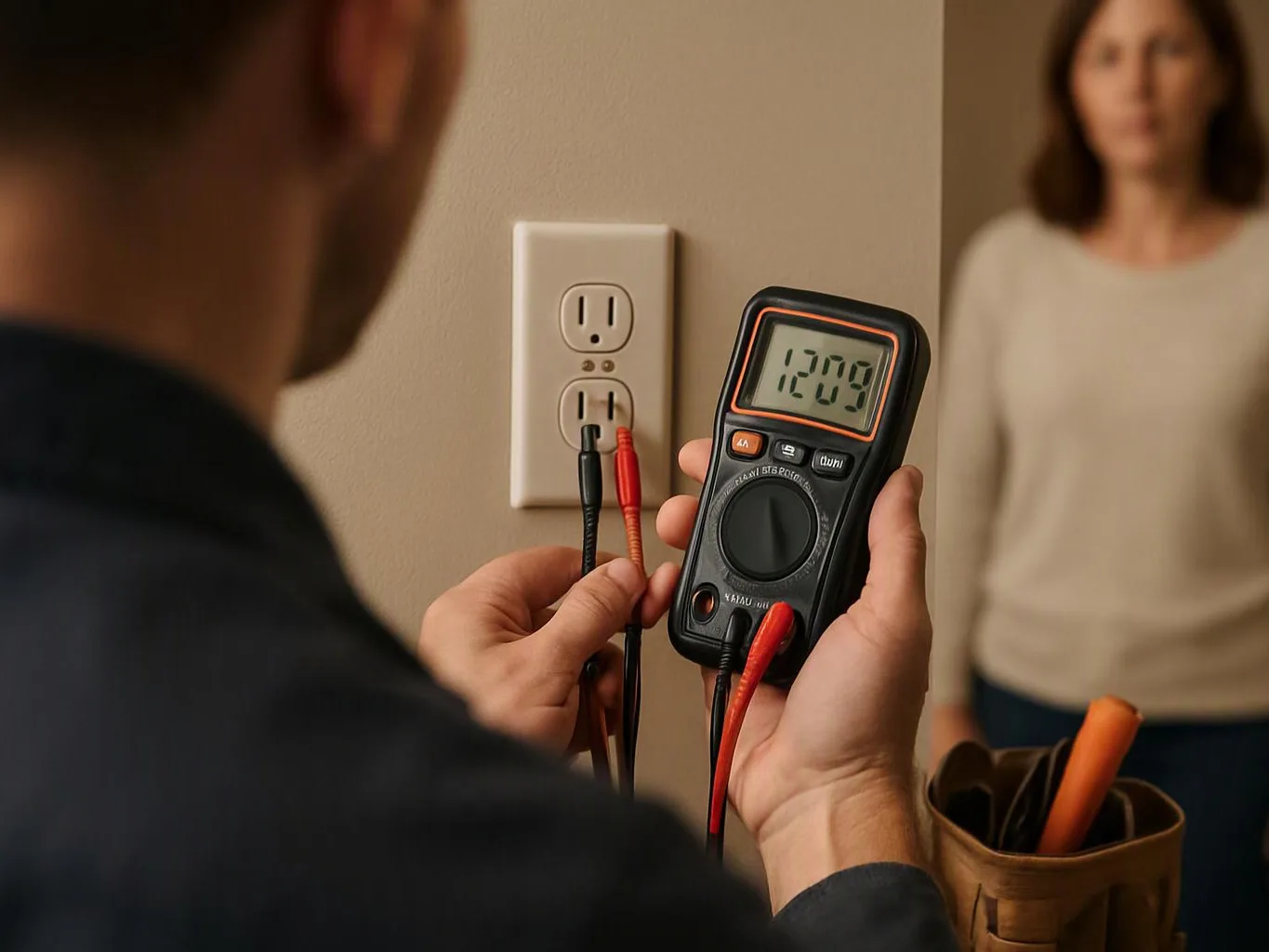
Two-prong outlets need a grounding check because the outlet does not show whether the circuit has a safe grounding path. We inspect the wiring, box, grounding conductor, and panel connection. The repair may involve grounding correction, outlet work, or a wider circuit review.