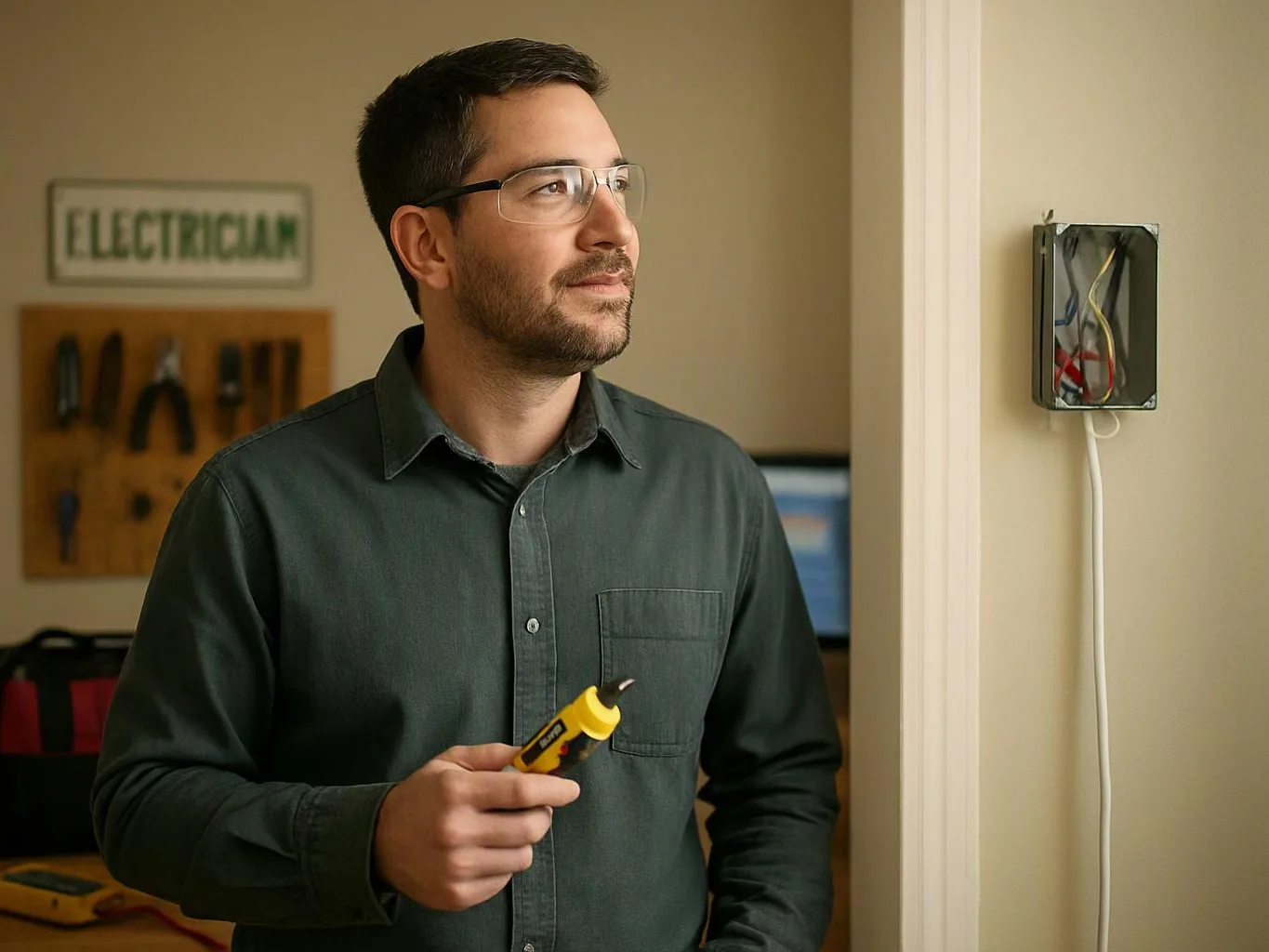
Signs of an Electrical Emergency
Electrical emergency signs include smoke, a burning smell, and exposed wires. Keep clear of the hazard and use the guidance below to decide what to do.
| Warning sign | Safe response |
|---|---|
| Burning smell | Stop using the affected equipment and move away. Call emergency services if you suspect a fire. |
| Smoke or flames | Evacuate and call emergency services from a safe place. |
| Sparking outlet | Keep away and stop using it. Call us to assess the fault. |
| Exposed wires | Assume the wires are live. Keep people away and call us for help. |
| Water near electrical equipment | Stay out of the water and away from the equipment. Don't touch switches or cords in the affected area. |
| Electric shock | Call emergency services. Don't touch the person if they're still in contact with the electrical source. |
Is Partial Power Loss an Emergency for Commercial Electrical Repair?
Yes, partial power loss can be an emergency when it comes with danger signs or disrupts essential safety equipment. A broader utility outage doesn't automatically mean the building has an electrical fault. We assess building-side faults through Commercial Electrical Repair.
A burning smell or smoke makes the power loss an urgent safety concern. Keep clear of the affected area and call emergency services if you suspect a fire. If essential safety equipment has lost power, follow your building's emergency plan.
A power outage without danger signs still needs attention if it affects your business. We can assess the building's electrical system and determine whether the fault is on the building side.
Is a Burning Outlet an Emergency for Commercial Electrical Repair?
Yes, a burning outlet smell is an electrical emergency because it can signal overheating or fire. Stop using the outlet, keep clear, and call GMB Electric for repair.
Outlet heat or smoke also points to a possible fire risk. Don't touch the outlet or try to unplug anything from it. Evacuate and call emergency services if you see smoke or suspect a fire.
What to Do During an Electrical Emergency
During an electrical emergency, protect people before dealing with the electrical fault. Don't approach equipment or wiring that may be live.
- Evacuate if there's smoke, fire, or another immediate danger. Keep others away from the area.
- Call emergency services from a safe place if there's a fire, electric shock, or immediate danger.
- Don't touch a person who may still be in contact with an electrical source. Tell emergency services about the possible shock and follow their instructions.
- Don't attempt to reach a switch or circuit breaker through water, smoke, or an unsafe area. We handle safe isolation as part of our assessment.
- Call us about the electrical hazard when you're in a safe place. Tell us what you noticed and which areas lost power.
Urgent Warning Signs and Routine Electrical Problems
An urgent electrical problem presents an immediate fire risk or shock risk. Smoke, a burning smell, or exposed live wires calls for keeping clear and taking emergency action.
A repeatedly tripping breaker needs attention even when there's no smoke or burning smell. Don't keep resetting it. We can check the circuit and identify the cause.
Other electrical faults may not present an immediate hazard, but they shouldn't be ignored. We assess the symptoms and explain the repair needed.
How We Assess Electrical Faults
Our electrical fault assessment starts with the symptoms and the affected area. We plan safe isolation before checking the equipment and wiring.
We identify the fault and explain the repair scope. We also consider applicable code and inspection requirements for the work. The affected equipment and extent of the damage help determine the scope.
Contact GMB Electric to discuss the fault and request an estimate. Free estimates are available.
Get a Free EstimateWhat Are the Key Specifications to Know?
- Topic Focus
- What Counts as an Electrical Emergency?
- Related Core Service
- Commercial Electrical Repair
- Evaluation Method
- On-Site Inspection & Written Scope
- Compliance Standard
- Local Building Code & Manufacturer Specs