Circuit Breaker Keeps Tripping: Panel Repair or Replacement?
A circuit breaker that keeps tripping doesn't always mean the panel needs replacement. GMB Electric checks the circuit and panel to identify the fault and recommend repair or replacement.
Get a Free EstimateDoes a Tripping Breaker Mean You Need a New Panel?
No, a tripping breaker doesn't always mean you need a new panel. We trace the cause before recommending repair or replacement.
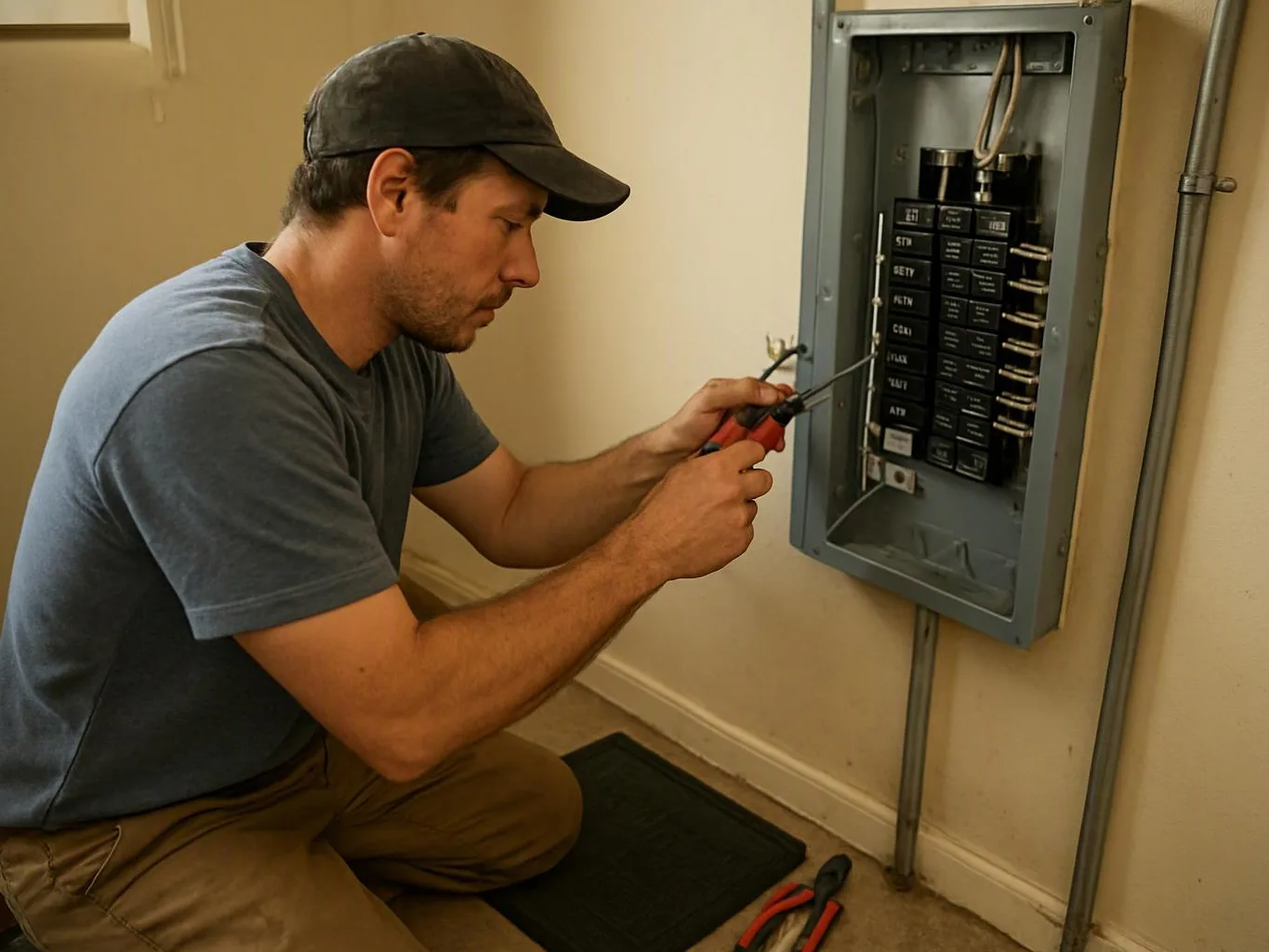
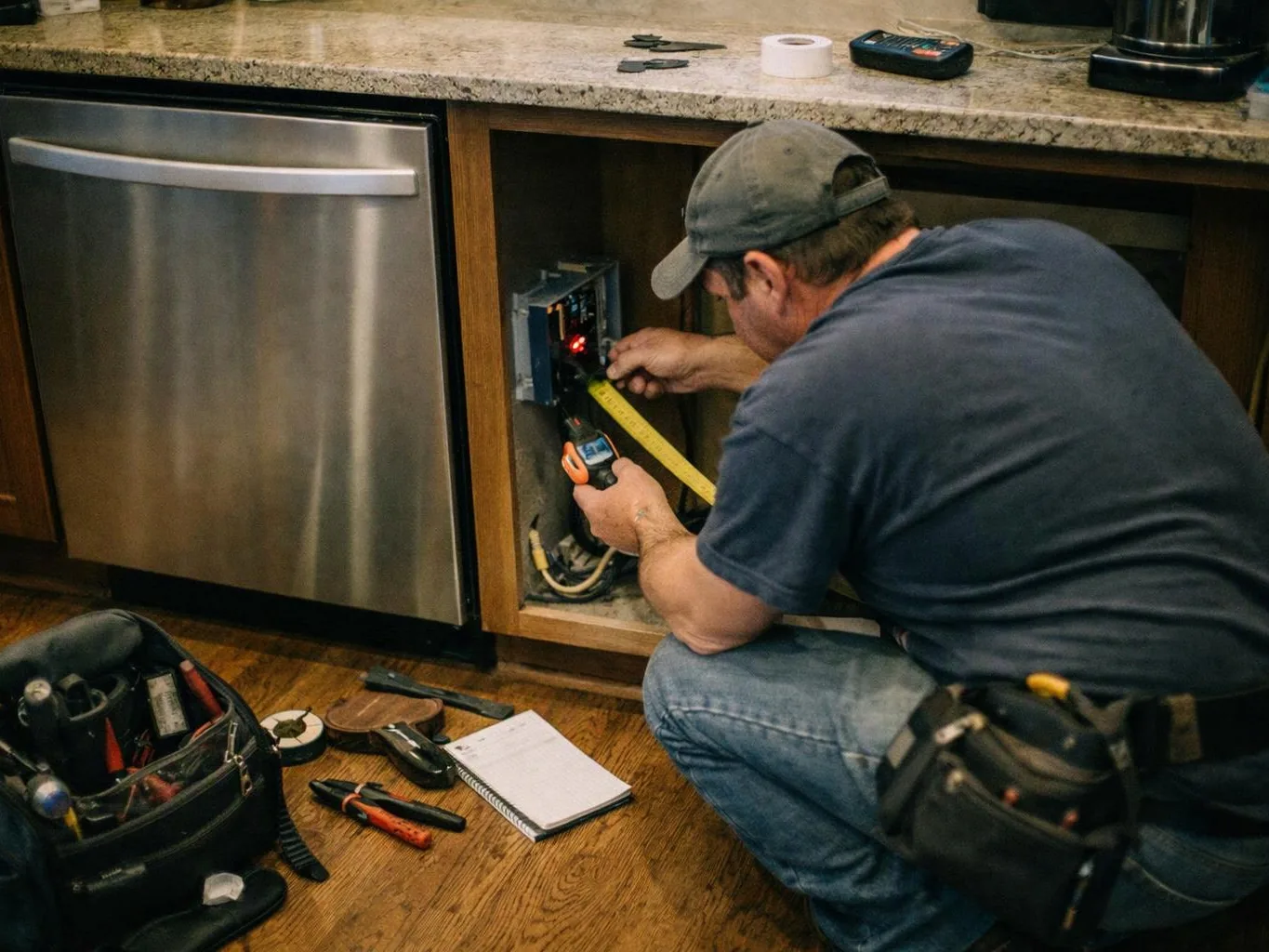
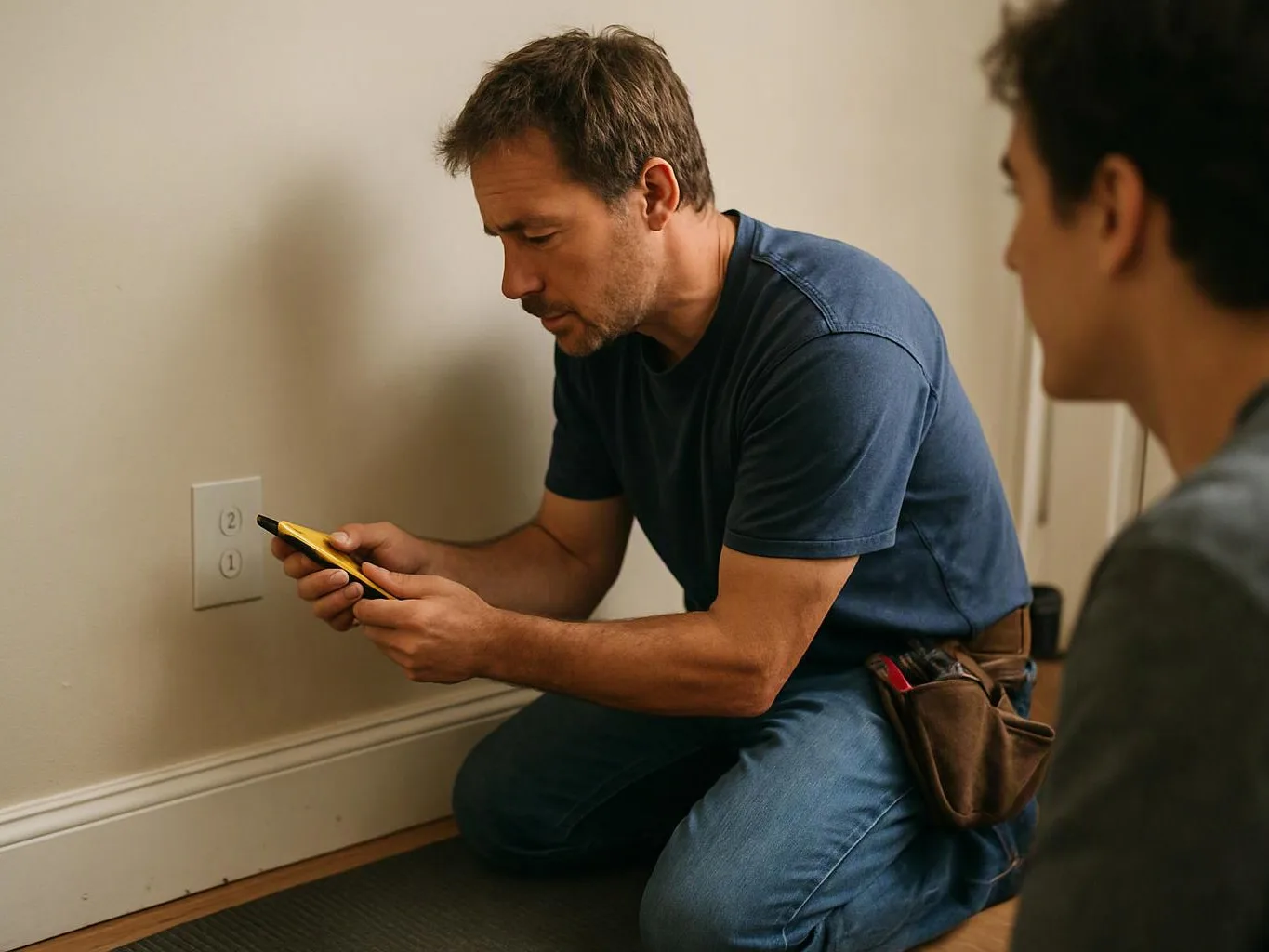
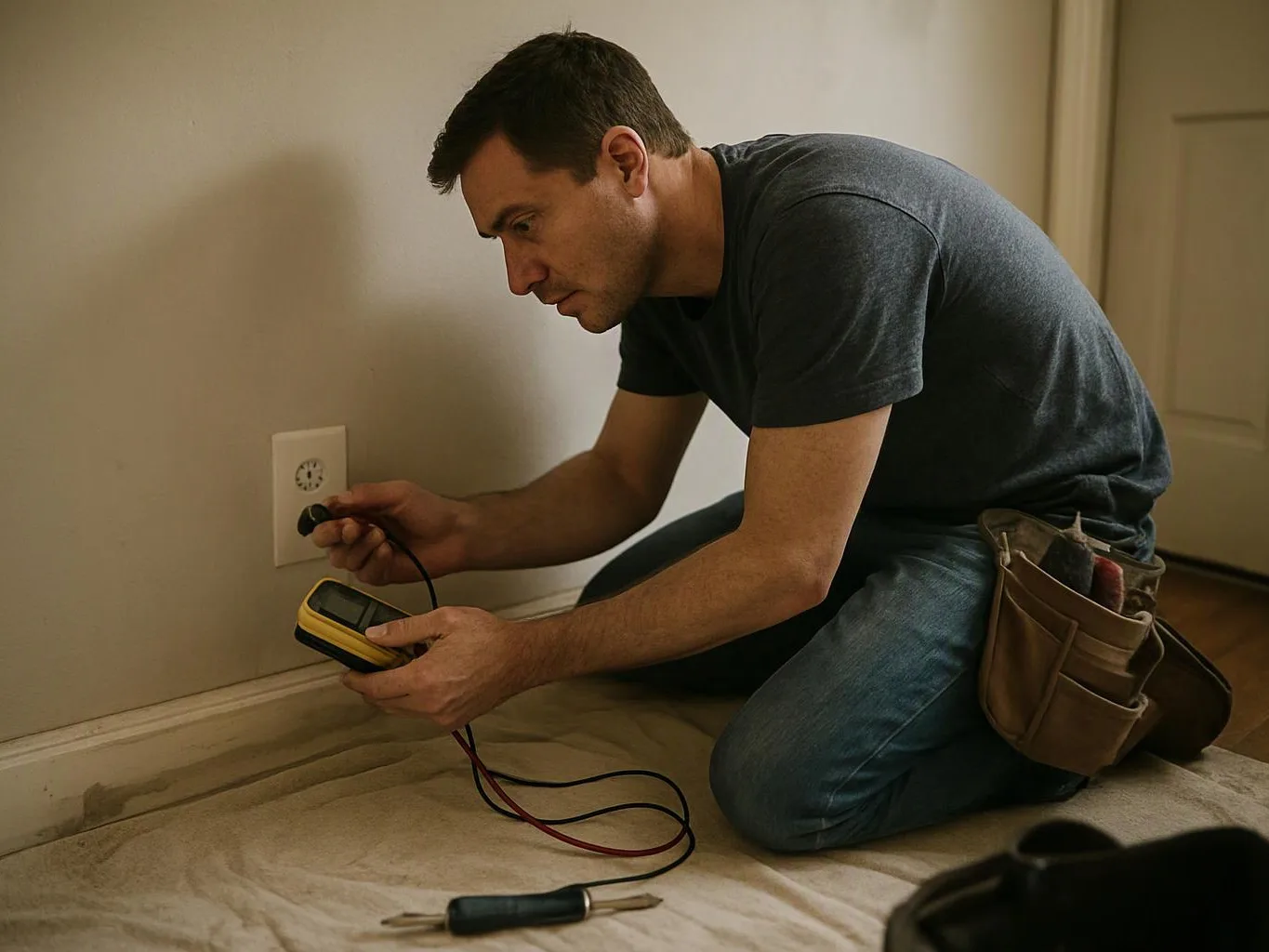
Our Electrical Troubleshooting service helps us find out whether the fault is in the circuit or the panel. We also assess the electrical panel's condition and whether any damage can be repaired safely.
What Can Cause a Breaker to Keep Tripping?
A breaker can trip because of an overloaded circuit, a fault, or damaged equipment. The trip alone doesn't identify the cause.
An overloaded circuit carries more current than it's designed to handle. A faulty appliance can also cause a trip, so we check the affected loads and their connections.
A short circuit happens when current takes an unintended path between conductors. A ground fault happens when current escapes to ground. We check for these faults as well as damage to the breaker or panel.
When Is Repair Enough, and When Does the Panel Need Replacement?
Circuit repair, panel repair, or panel replacement depends on the fault's location and the panel's condition. We weigh safe repair options against the scope and disruption of replacement.
| Option | When we consider it | Scope and disruption |
|---|---|---|
| Circuit repair | The fault is outside the panel, and the panel is in suitable condition. | Work can be limited to the affected circuit. Access to wiring may still affect the scope. |
| Panel or breaker repair | Damage is limited, compatible parts are available, and repair is safe. | Work is often narrower than replacement, but power may need to be shut off. |
| Panel replacement | Damage is extensive or a safe repair isn't feasible. | Work has a broader scope and can cause more disruption. An unresolved circuit fault still needs attention. |
When Do Troubleshooting and Panel Work Go Together?
Troubleshooting and panel work go together when a trip involves both a circuit fault and a panel problem. We look for conditions that call for both services, such as these:
What Do We Check Before Recommending Panel Work?
We check the affected circuit and panel to locate the fault and assess safe repair options. We ask about the trip pattern and the equipment connected to the circuit.
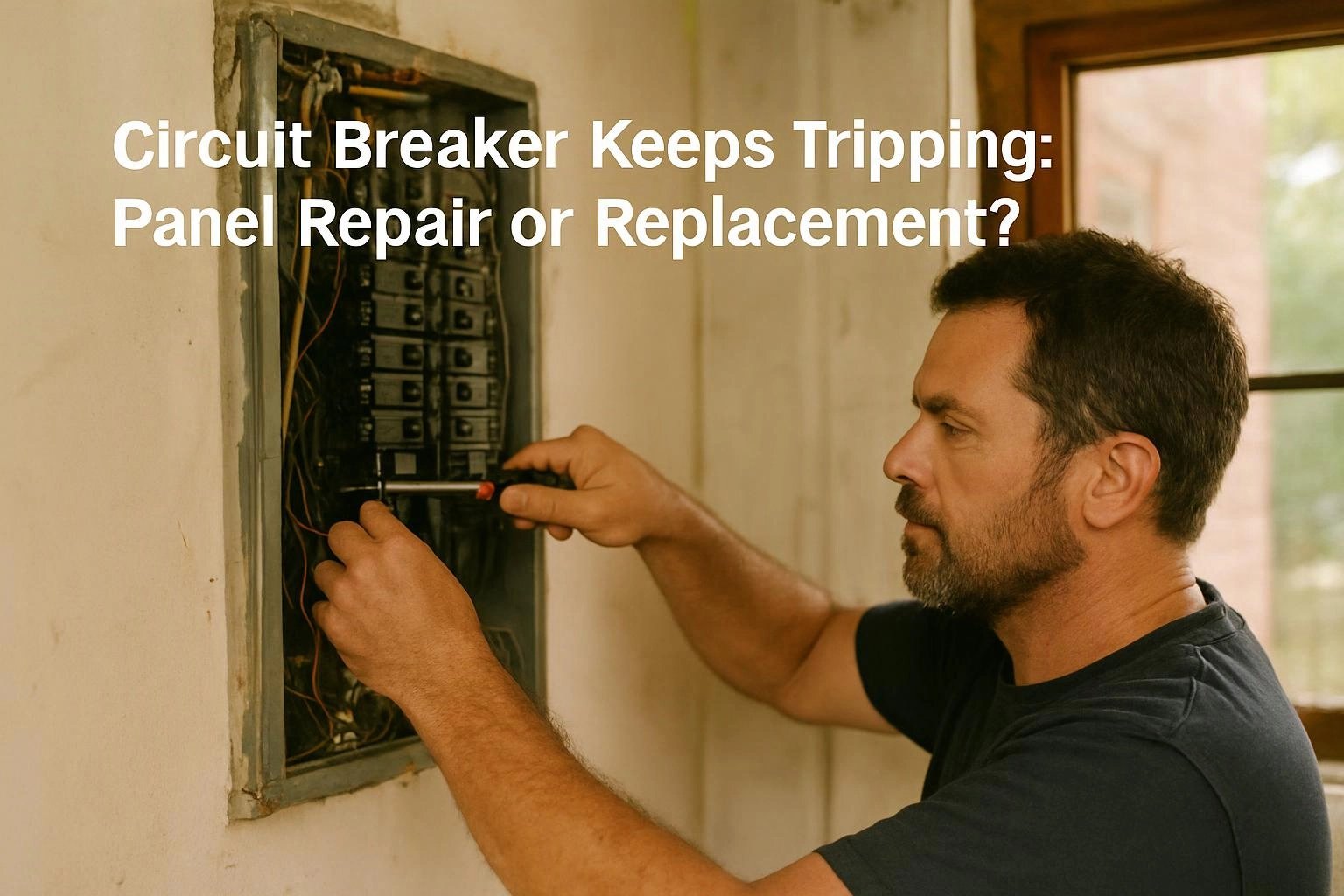
We examine the circuit, breaker, and panel connections for damage. We also check the panel bus, where breakers connect, for signs of overheating.
Available compatible parts can affect whether Electrical Panel Repair is feasible. We consider applicable code and electrical inspection requirements before recommending work.
How Do Troubleshooting and Panel Work Fit Together?
Troubleshooting guides panel work by identifying the fault and the repairs the job needs. Our findings shape the proposed work and its cost.
What Should You Do When a Breaker Keeps Tripping?
A repeatedly tripping breaker needs attention, so don't keep resetting it. Don't remove the panel cover or touch electrical parts.
A burning smell, heat, or buzzing can signal a serious problem. Keep clear of a hot or smoking panel, and contact emergency services if there's smoke or fire.
For a breaker that keeps tripping, contact us to assess the problem. Our Emergency Electrical Repair service addresses urgent electrical problems.
What Changes the Price of Breaker and Panel Work?
Breaker and panel work pricing depends on the fault, the repair scope, and the parts needed. Panel condition and applicable inspection requirements can also change the work.
Our estimate explains the proposed work and the parts involved. Free Estimates Available. Contact GMB Electric to request an estimate for your breaker and panel.
Get a Free EstimateWhat Are the Key Specifications to Know?
- Topic Focus
- Circuit Breaker Keeps Tripping: Panel Repair or Replacement?
- Related Core Service
- Electrical Troubleshooting
- Evaluation Method
- On-Site Inspection & Written Scope
- Compliance Standard
- Local Building Code & Manufacturer Specs